A dry bag that has been on a boat for two seasons rarely fails because the fabric gave up. It fails because a D-ring has bloomed white and seized, a slider will no longer run cleanly along a waterproof zipper, a snap hook has left a rust streak down a pale panel, or a rivet has swollen and split the material around it. Salt does not attack the parts of a bag that manufacturers like to talk about. It attacks the small metal components that get specified late in development, bought on price, and never tested — and it does so in a way that turns a functional failure into an appearance failure and then into a sealing failure, usually in that order.
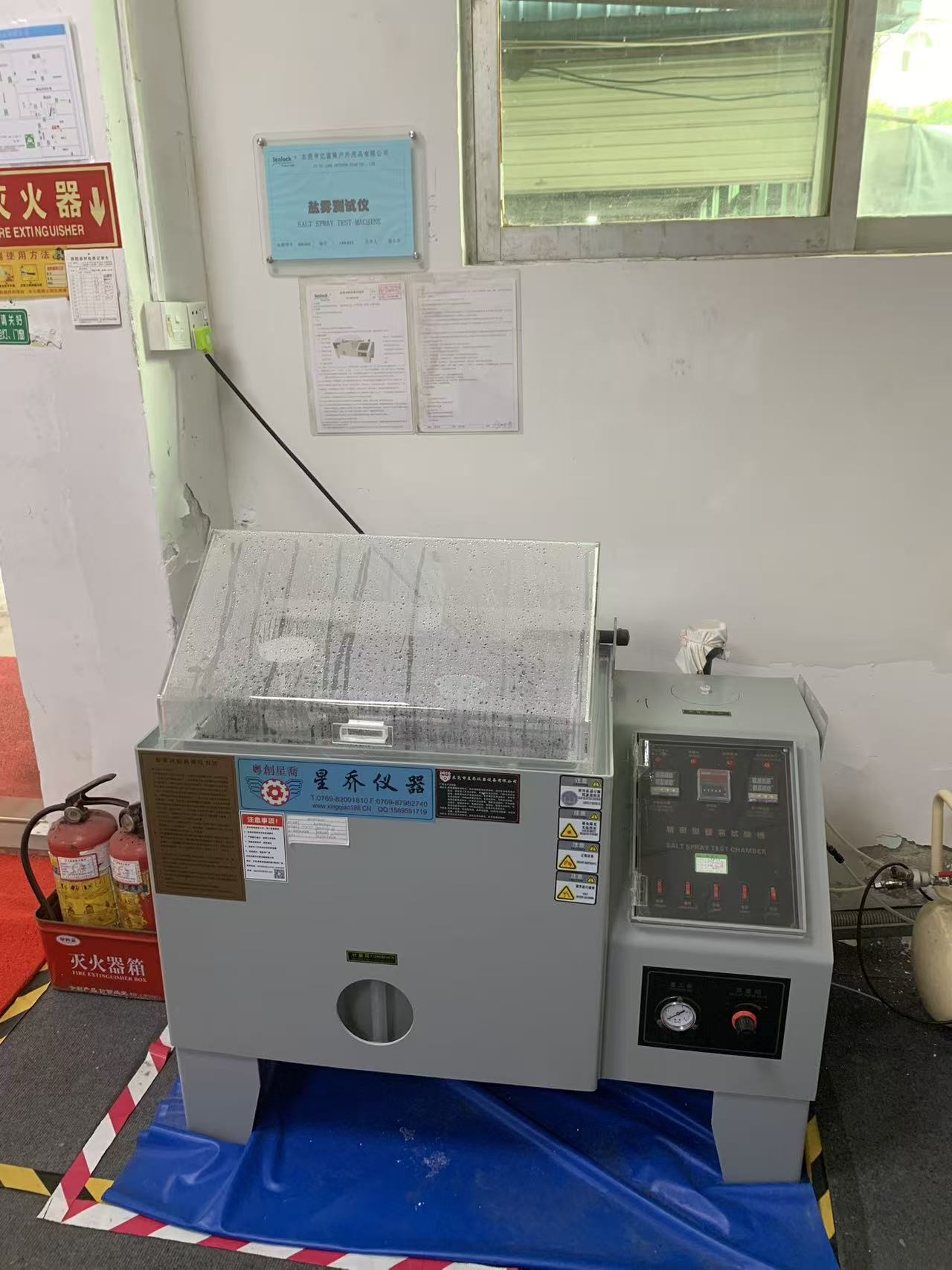
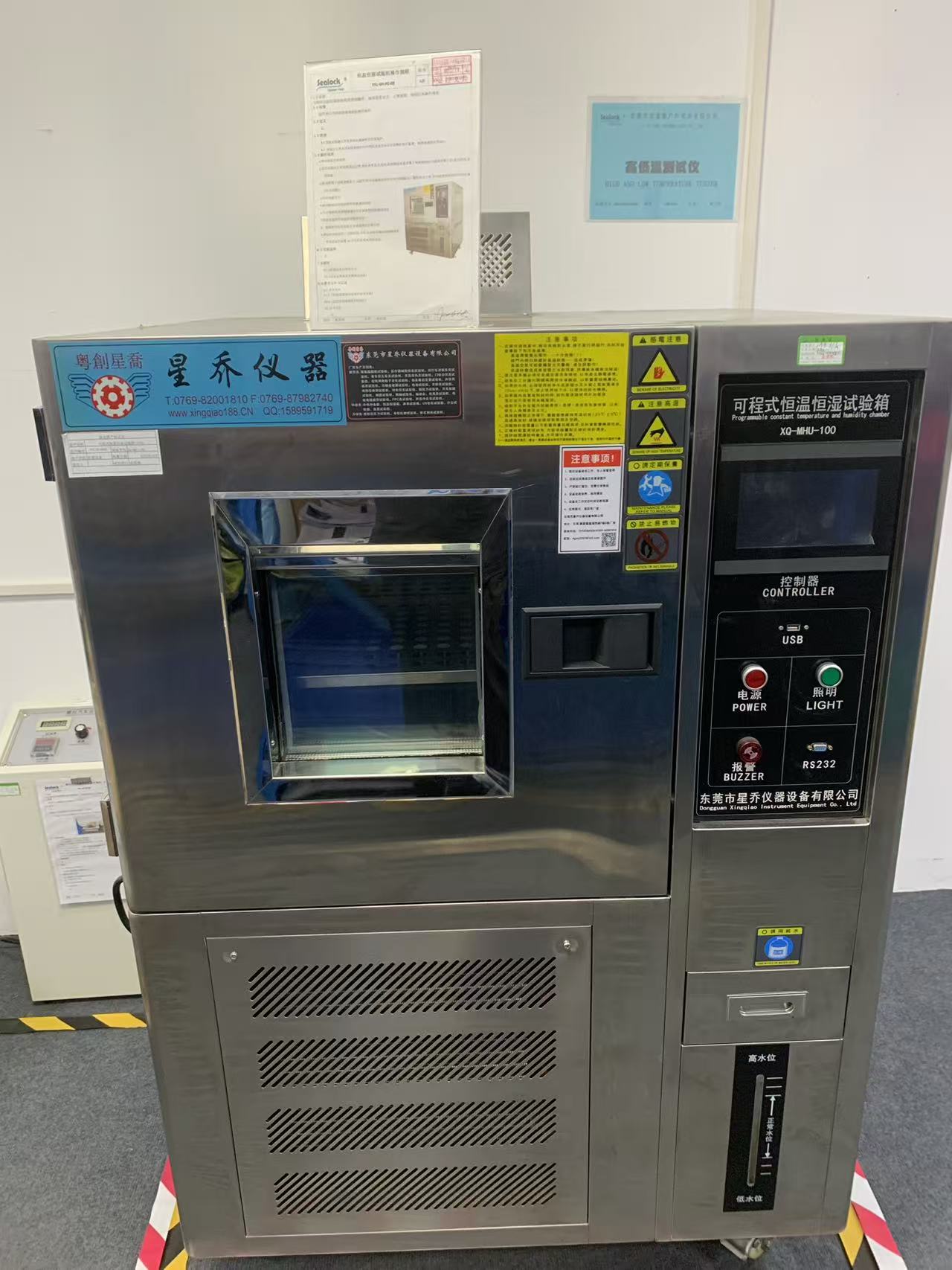
DONGGUAN, China — [August], 2026 — Every test in this series so far has attacked a product in a single, obvious way: rub it, pull it, cycle it, peel it apart. Each answers a mechanical question, and each gives you an answer the same afternoon.This machine is different. It doesn't touch the product at all. It just puts it in a stainless steel box, seals the door, and then changes the weather — hot and humid, hot and dry, then cold — and leaves it there for three days. Nothing visibly happens. That's the point. What it's testing for is the class of failure that never announces itself, and that no mechanical test will ever find.
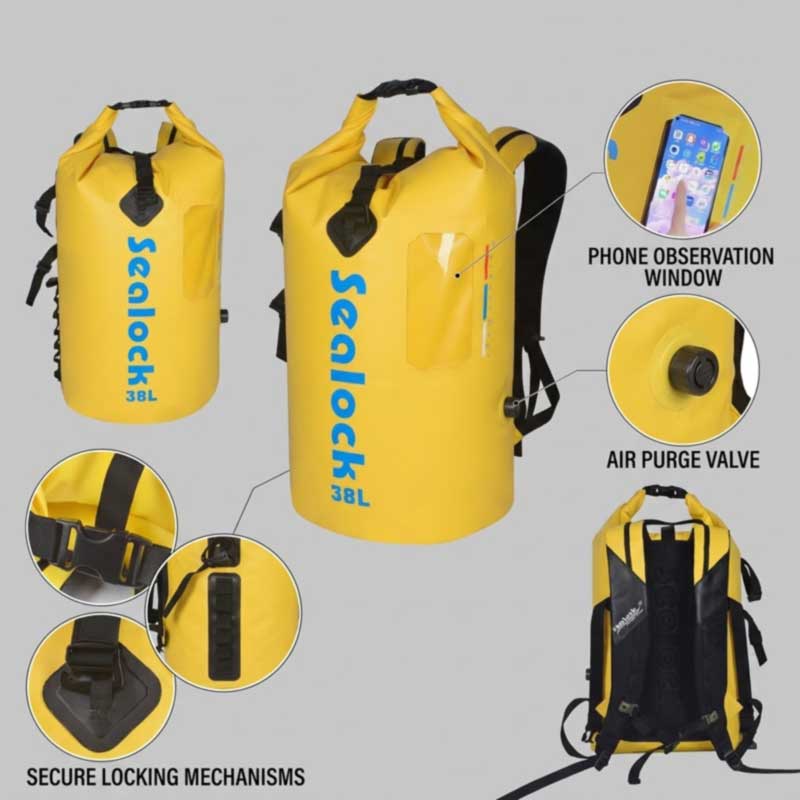
Sealock is a custom kayak bag manufacturer and OEM supplier. A plain dry bag is a welded tube: two panels, a round base, a roll-top. A kayak bag is the harder version of that problem, because the features paddlers actually want — an inflation valve, a phone window, a contoured shell that sits against the back, a lock point, a padded back panel — all require deliberately interrupting a waterproof barrier and then sealing it again. This guide covers what that takes on the factory floor, and what it means for a brand writing a kayak bag brief.
Sealock is an OEM kayak dry bag supplier and manufacturer. Most sourcing guides in this category assume a single kind of buyer — an outdoor brand building a retail line. In paddlesports that assumption is wrong. Kayak dry bags are bought by boat brands bundling accessories, by rental liveries outfitting a fleet, by outfitters and paddling schools, by specialty retailers, and by tour operators and clubs buying branded gear. Each wants a different bag at a different price with different packaging, and briefing a factory as though they were the same is how a programme ends up satisfying nobody. This guide sets out what each buyer type actually needs.
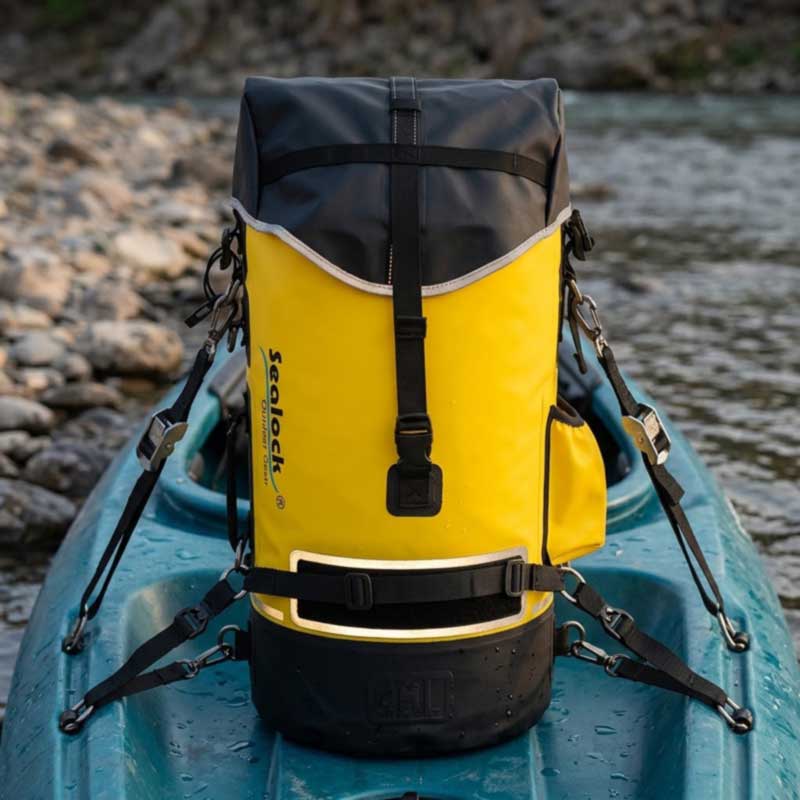
Sealock is a kayak bag manufacturer in China supplying OEM, ODM, and wholesale buyers worldwide. A kayak is the hardest environment a soft bag routinely faces: the hull sits low in the water, the cockpit and hatches are open to spray, rain and wake, and a capsize turns "water-resistant" into a claim the customer tests personally. A kayak bag has to do three things an ordinary bag cannot — stay dry when fully submerged, float when it comes loose, and compress and lash down so it doesn't move. This overview covers how those requirements translate into construction, the range, and the sourcing terms.
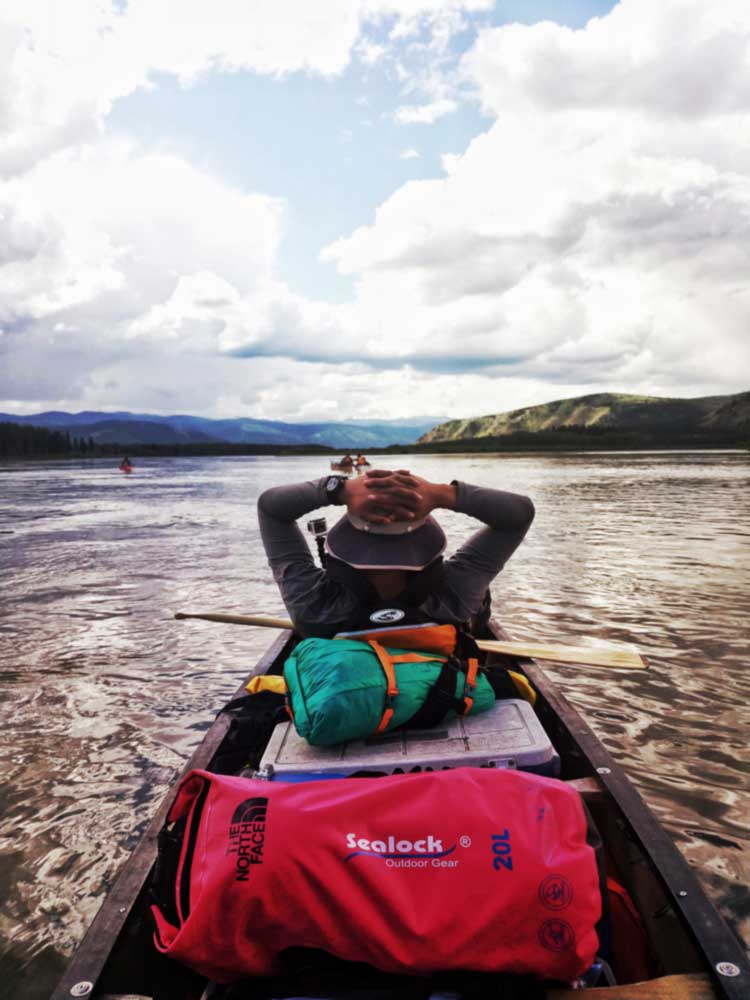
Sealock is a dry bag manufacturer and OEM supplier. Choosing a supplier for this category is deceptively risky, because the product looks simple and the sample almost always passes. A dry bag is a welded tube with a roll-top — any supplier can source something that appears waterproof, and far fewer can build something that genuinely stays waterproof across ten thousand units and two seasons of use. This guide sets out how experienced buyers vet a dry bag supplier, in the order they check it.