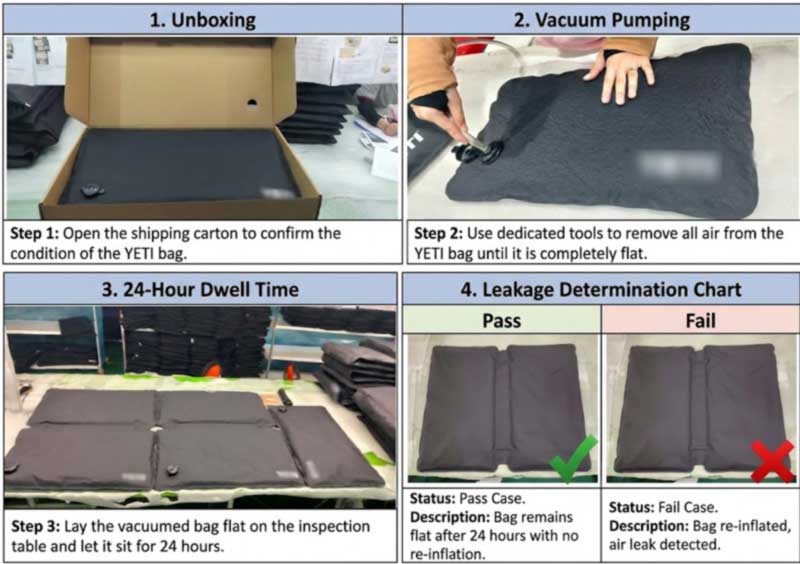
Sealock is a dry bag manufacturer and OEM supplier. Every factory says its bags are tested. The question that separates suppliers is a narrower one: tested how, on which units, and can you see the record? A dry bag is a single welded chamber with no lining to hide a weak seam, so testing is both easier to do honestly and easier to fake convincingly. This guide sets out the full inspection sequence a dry bag order passes through — from incoming rolls to the container door — and the questions a buyer should ask at each stage.
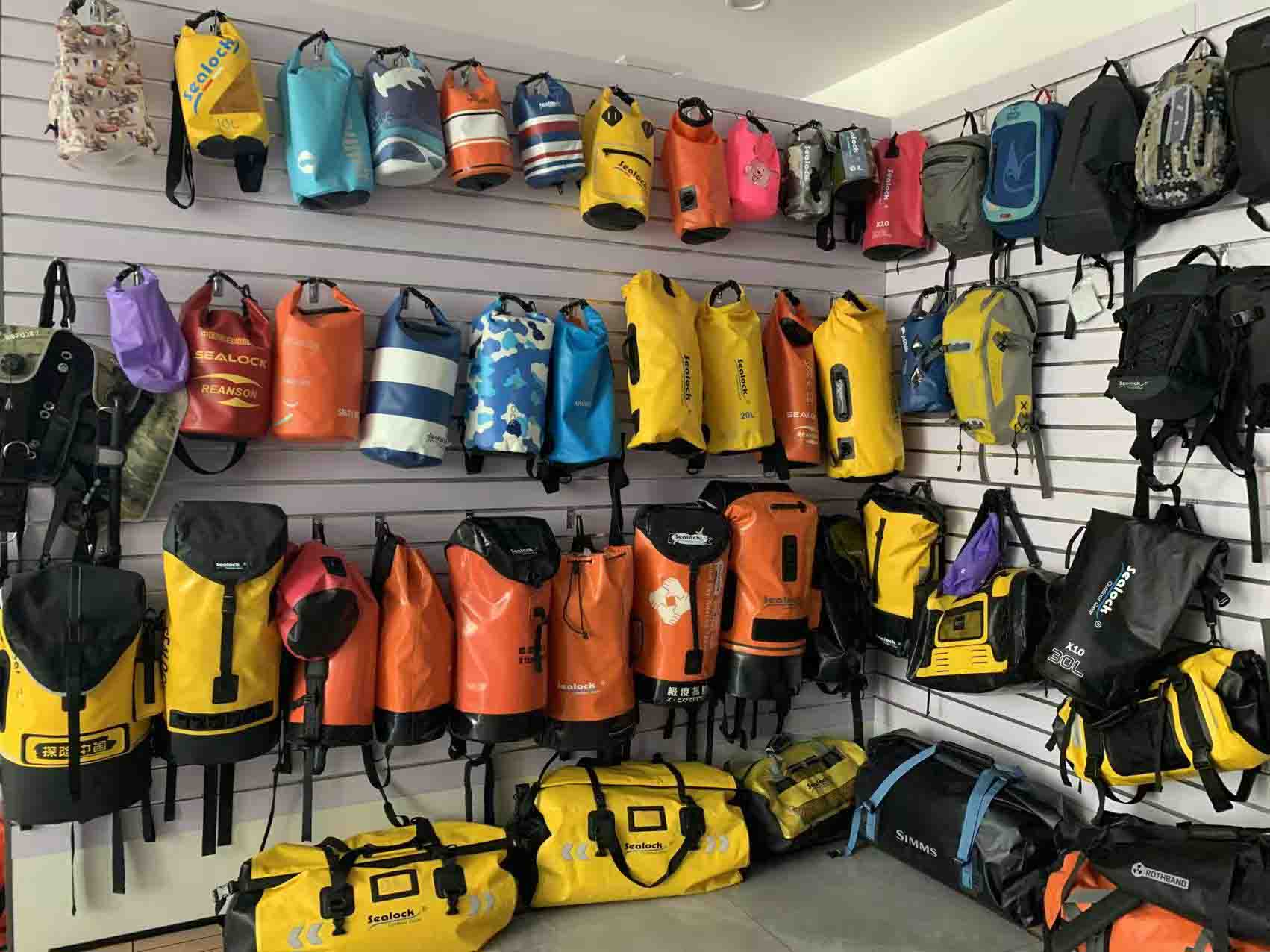
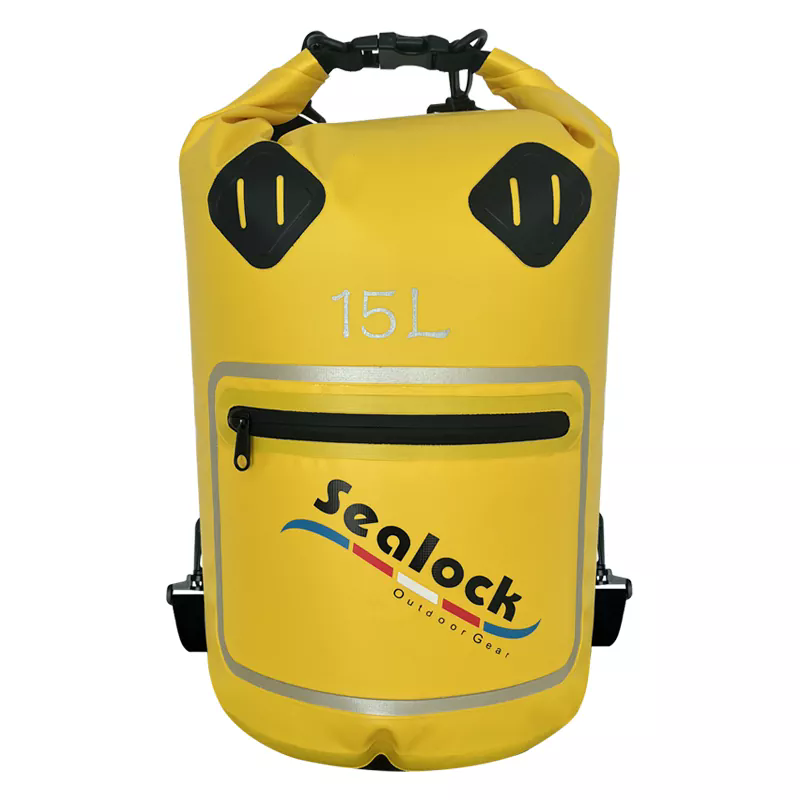
Sealock is a dry bag manufacturer and wholesale supplier. For a distributor, capacity is not a technical question — it's an inventory decision. Dry bags are one of the few outdoor products sold almost purely on litres, which means the sizes you stock determine your sell-through, how much cash sits in slow rungs of the ladder, and whether a customer finds the bag they came in for. This guide covers which capacities actually move, how deep to go on each, and the packing and labelling details that catch wholesale buyers out.
Sealock is a dry bag manufacturer and OEM supplier. Ask around the paddling world and you'll get two confident and apparently contradictory answers: that a roll-top is the most reliable seal there is, and that only a proper waterproof zipper is genuinely submersible. Both are right, because they're measuring different things — one is talking about failure rate in the field, the other about sealing performance under sustained pressure. Our standard dry bag range is built around the roll-top, which is the right closure for the great majority of dry bag use; a waterproof zipper is available as a custom closure where a project genuinely calls for it. This guide separates the two so a brand can specify the closure its customers actually need.
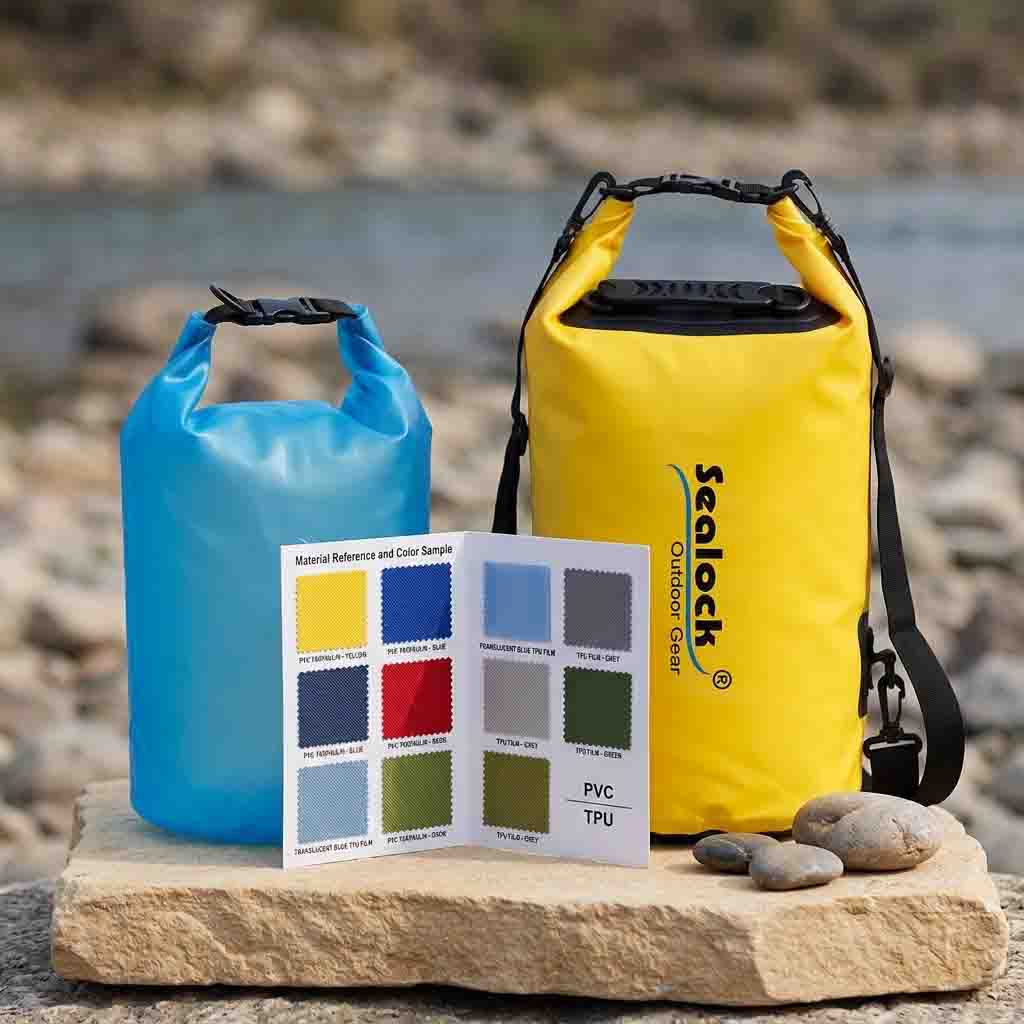
Sealock is a dry bag manufacturer and OEM supplier building in both TPU and PVC. The useful question in this comparison is not which material is better in the abstract — it's which performs better under the conditions a dry bag actually faces: rolled and unrolled several times a day, dragged across rock, left in a hot boat, packed away creased for a season, and expected to seal on the first attempt with cold hands. That framing gives clearer answers than a generic spec sheet, and it changes which material wins depending on the product.
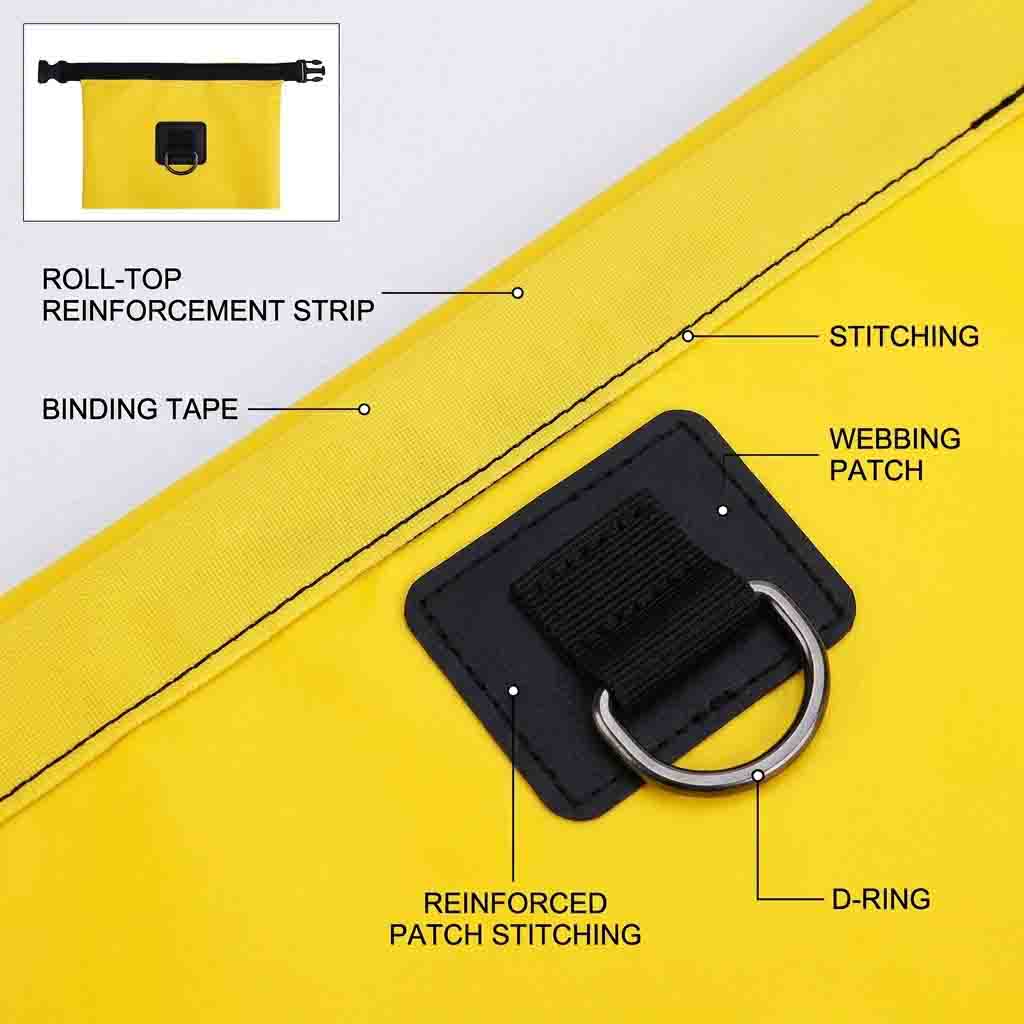
Sealock is a custom dry bag manufacturer and OEM supplier. Most sourcing guides stop at materials and minimums. This one goes onto the factory floor, because on a dry bag the production sequence is the product: a welded tube has no lining to hide a weak seam and no zipper to blame, so every decision about cutting tolerance, weld parameters, and the order operations run in shows up directly in whether the finished bag holds water. Understanding that sequence tells a buyer what to specify, what to ask to see, and where the real constraints on a custom design sit.
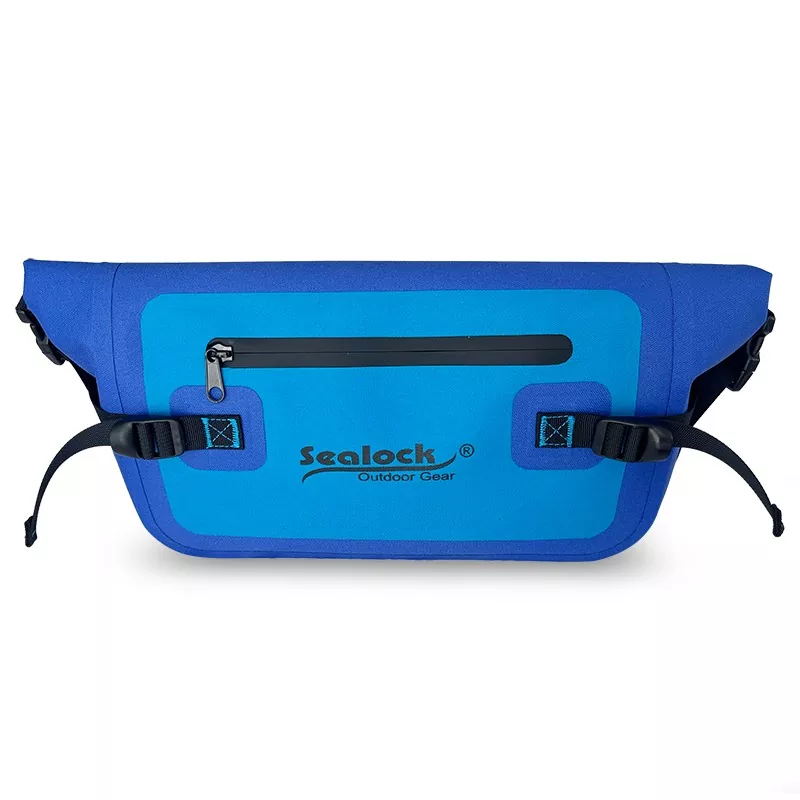
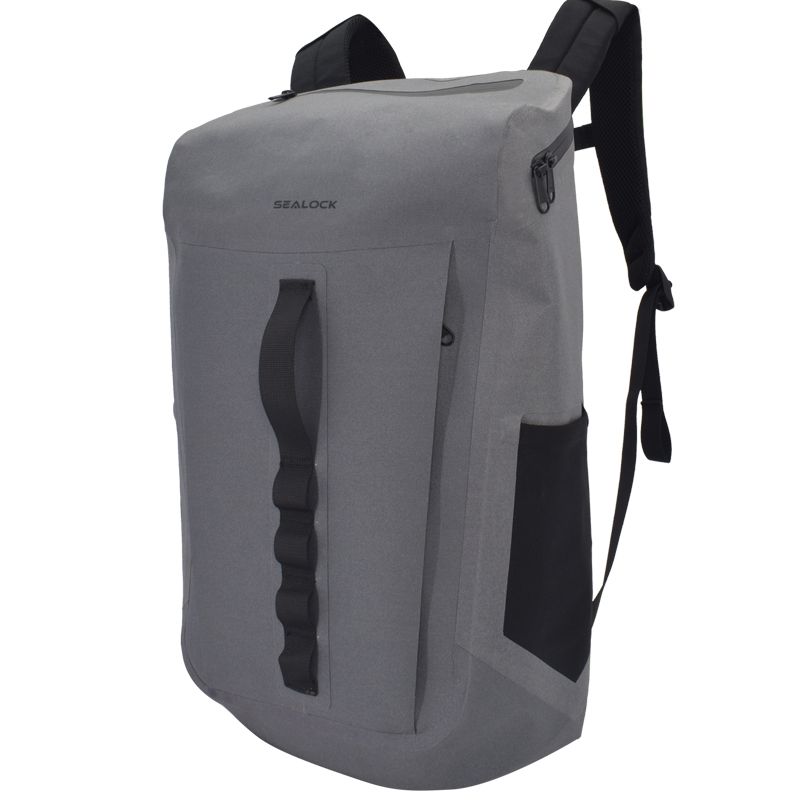
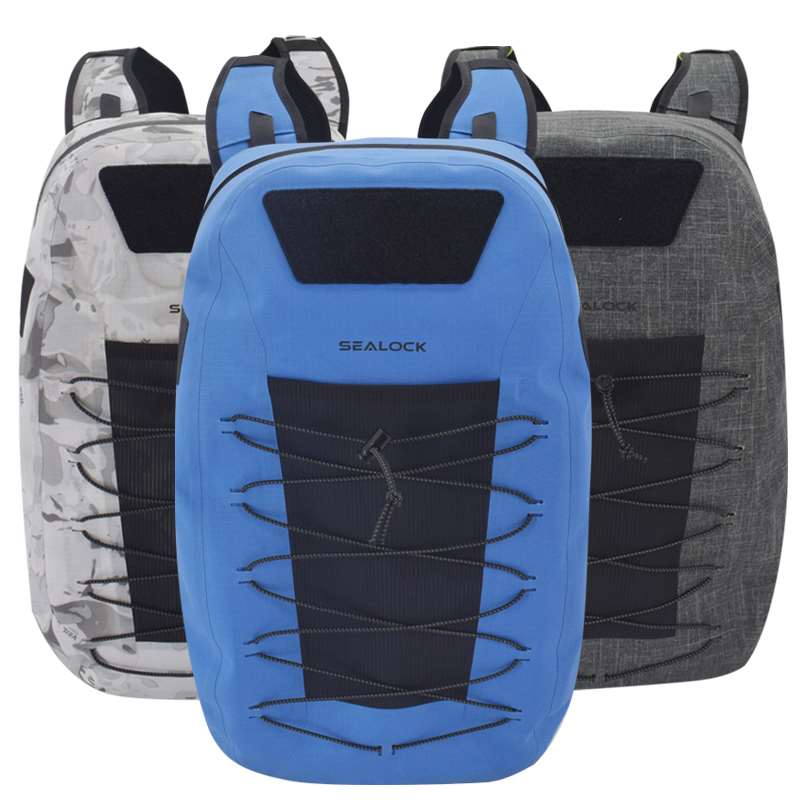
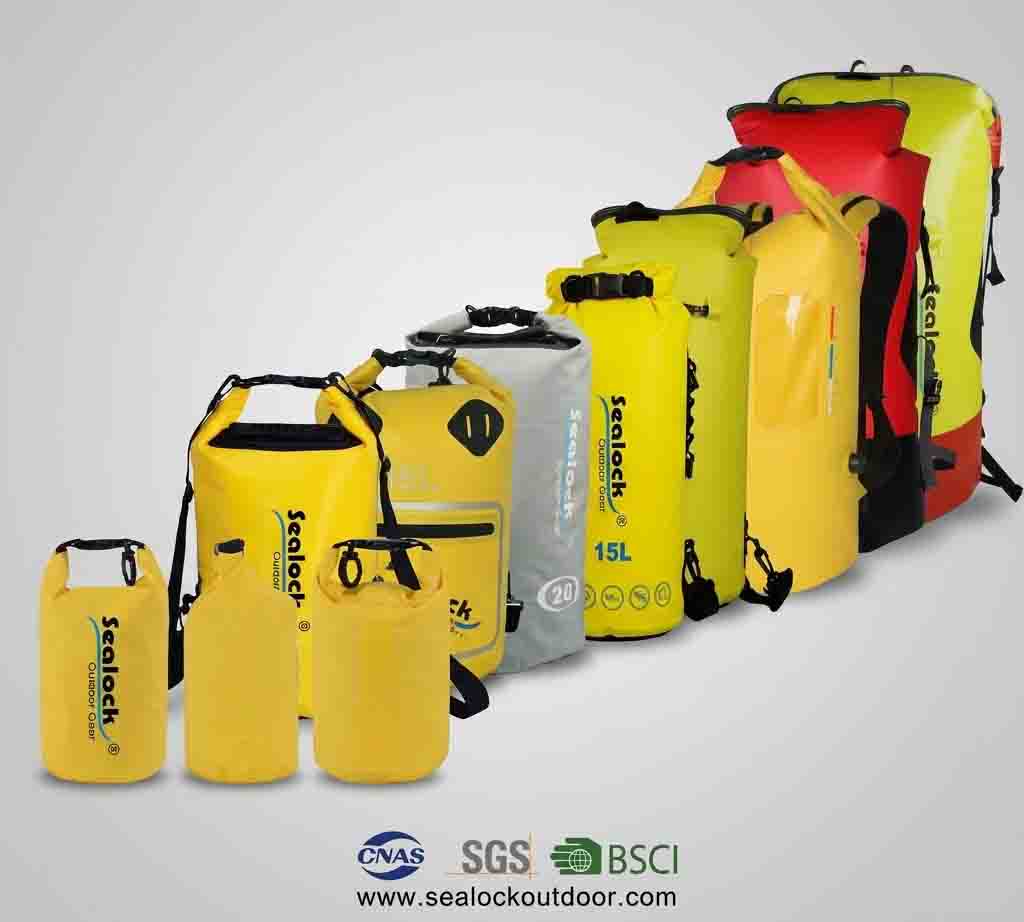
Sealock is an OEM dry bag factory in China supplying outdoor brands, paddlesports labels, and wholesale buyers worldwide. An outdoor brand rarely needs one dry bag — it needs a line: a small sack for a phone and wallet, a mid-size for a day on the water, a large one for a weekend, and usually a backpack version for the walk in. Building that line so it looks and performs like a family, at one waterproof standard, is what a welding factory is for. This guide covers how to structure a dry bag range, where to differentiate, and how the manufacturing side supports it.