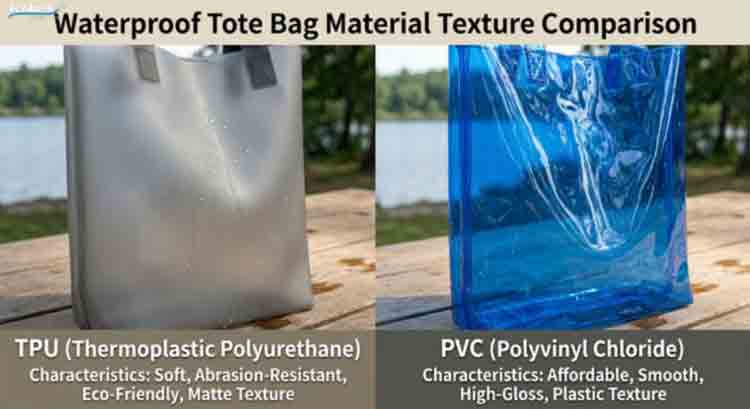
Sealock manufactures waterproof duffel bags in both TPU and PVC, so buyers ask the factory point-blank which material lasts longer. It isn't a marketing question — it shows up directly in return rates and reviews. Most waterproof bags don't fail on day one; they age slowly: stiffening in the cold so they won't roll, off-gassing a chemical smell, or cracking and fading after a few sunny trips.
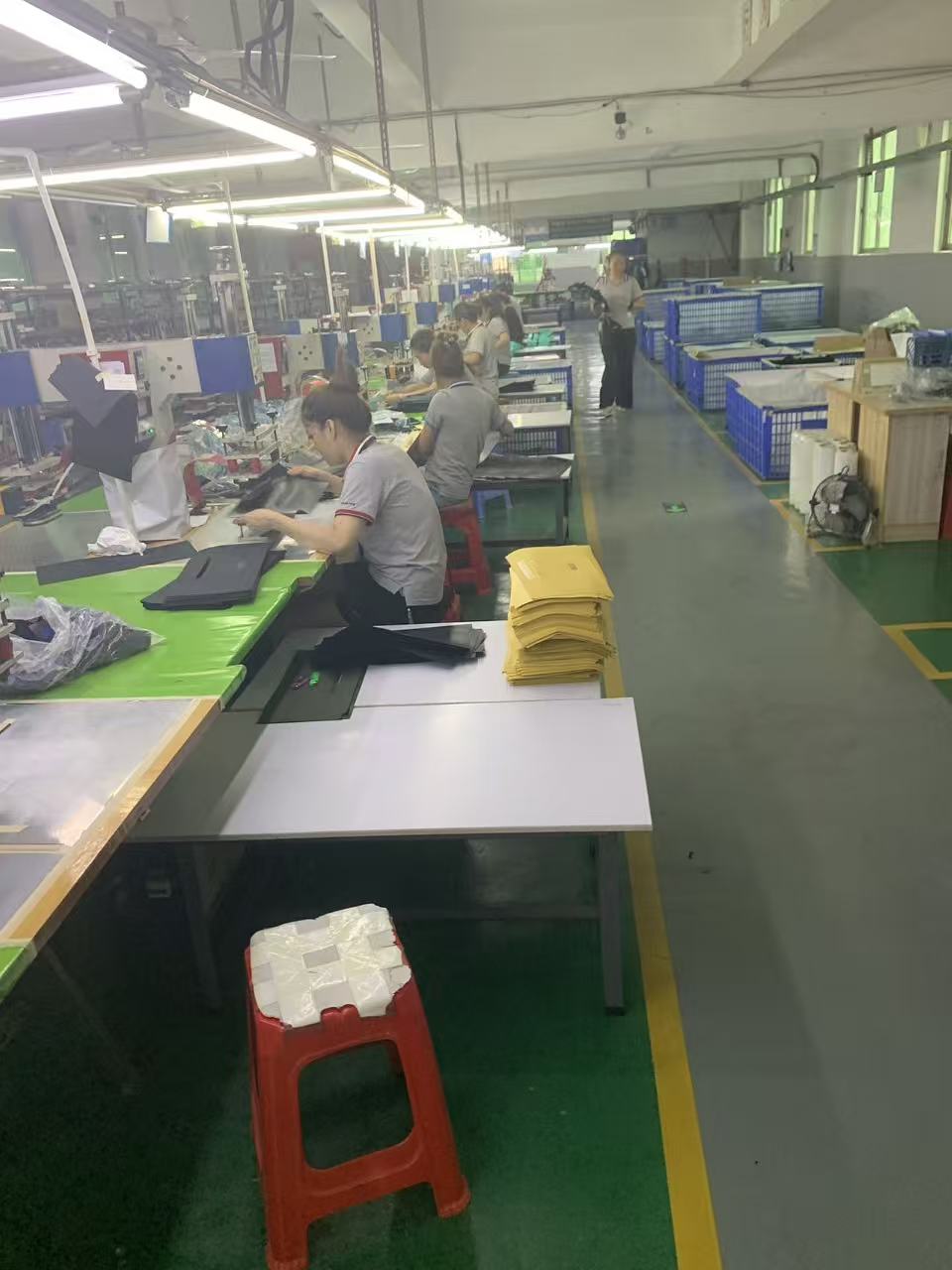
Sealock is a waterproof duffel bag manufacturer and OEM supplier, and the checks a serious buyer runs before choosing one are the same ones a real factory welcomes. Choosing wrong rarely hurts on day one — it surfaces months later as leaking seams on arrival, a bulk run that doesn't match the approved sample, or a lead time that slips past the selling season. Vetting a supplier comes down to a few pillars: whether it is a real factory, whether it can prove its process and compliance, whether it holds sample quality at scale, and whether its terms survive a reorder.
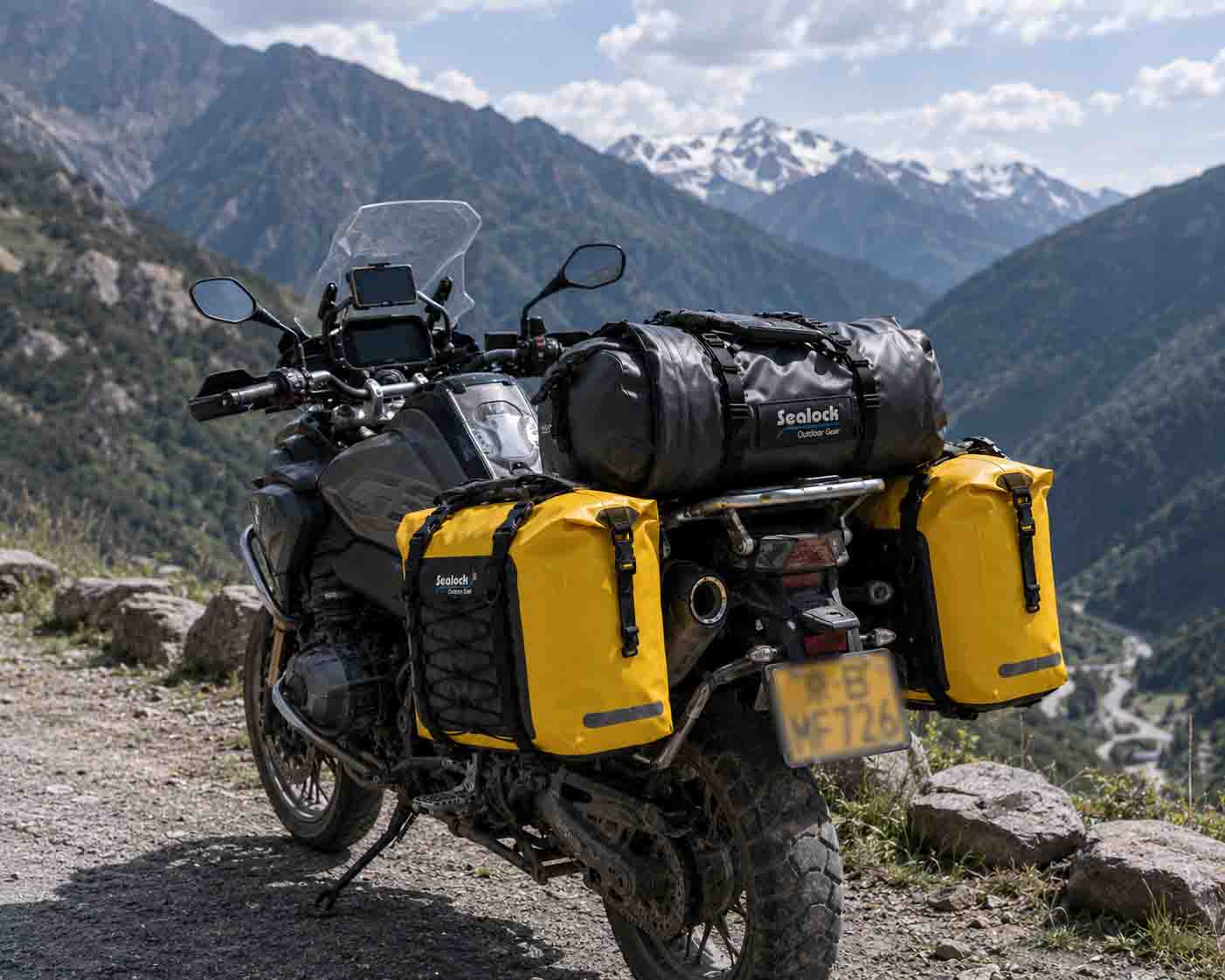
Sealock manufactures the waterproof duffel bag that riders name when they kit out for motorcycle travel, because road rain, grit, and vibration push any half-sealed bag to its limit. At highway speed, water is forced into the seams, and a bag strapped to a tail rack or pillion seat battles sun, road dust, and constant shake all day.
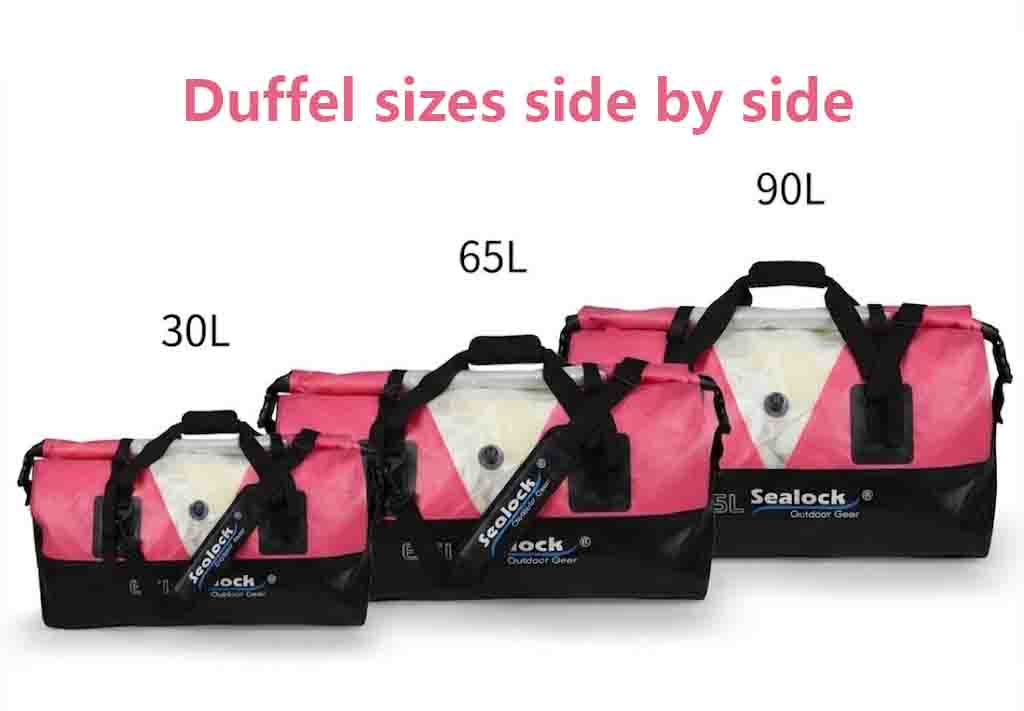
"What's a good size duffel?" is the wrong question — there's no universally good size, only the right size for a specific trip. The useful question is how many liters your trip actually needs, and that can be worked out rather than guessed. This guide derives it step by step: start from trip length, adjust for season and activity, then check it against the one hard limit that overrides everything.
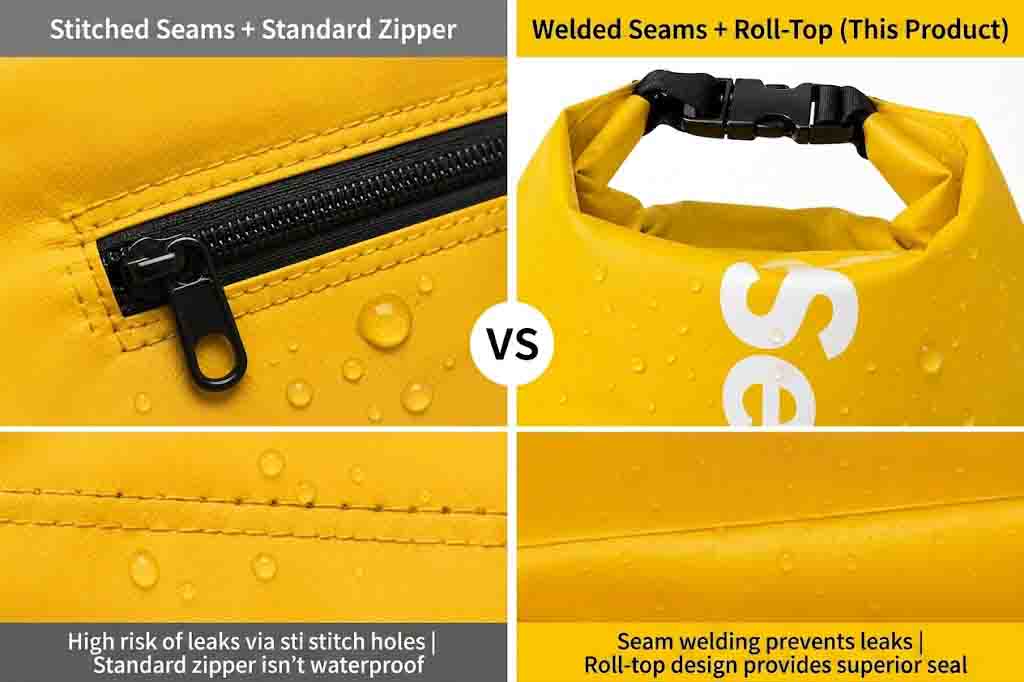
Two backpacks sit side by side online. One says "water-resistant," the other "waterproof," and the second costs noticeably more. Marketing? Sometimes. But underneath the labels sits a real construction difference — and once you see it, choosing between them stops being guesswork and becomes a simple match to how wet your life actually gets.
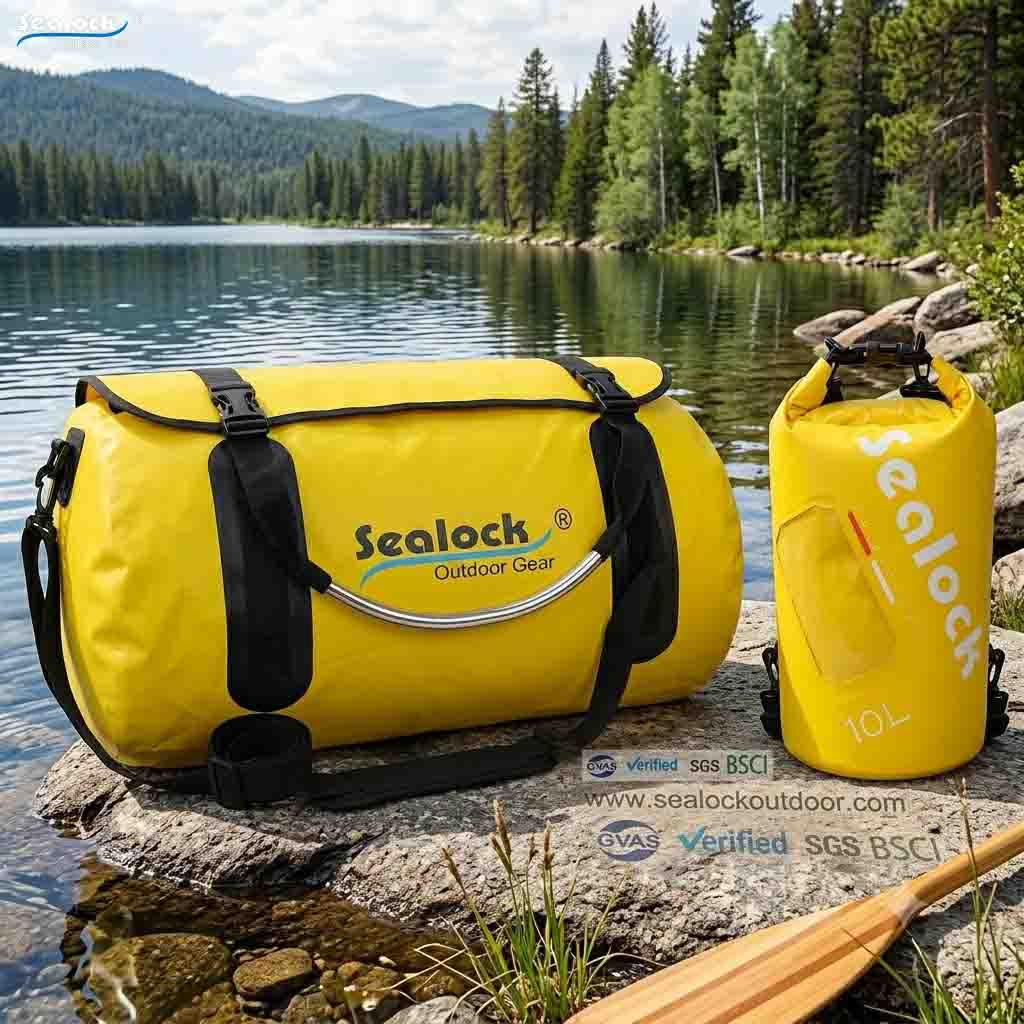
Sealock manufactures both the waterproof duffel bag and the dry bag, so procurement teams regularly ask the factory to draw a clear line between them. On a product page the two can look like cousins — both shrug off water, both come in bright colours, both get tossed into boats and truck beds. Yet for a buyer placing a wholesale order, the differences in shape, closure, and end use decide which one actually moves off the shelf. This guide breaks it down from a manufacturer's point of view, with real parameters and live product links so sourcing managers can quote with confidence.