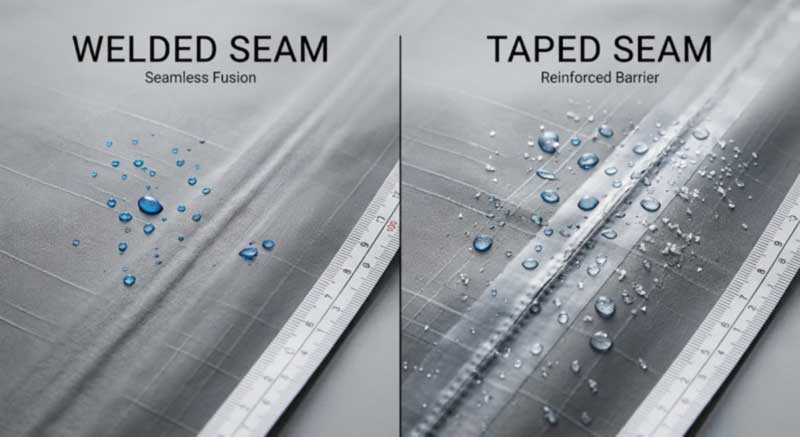
Most waterproof product failures don't start with the fabric. They start at the seam. This article breaks down the practical and engineering differences between RF welding and traditional stitching for outdoor gear—covering waterproof performance under pressure, long-term durability through field stress cycles, material compatibility, production cost realities, and the specific scenarios where each method is the right choice. Includes a direct comparison table and guidance for OEM buyers evaluating a manufacturer's seam construction capability.
A:The factory floor doesn't tell you where the market is heading—the buyer conversation does. Across six stops in 2025, from ISPO Munich to Beijing, Vietnam, and Hong Kong, one thing became clear: the rules of OEM partner selection have fundamentally changed. European buyers are rejecting generalists. Procurement officers are treating vendor selection like financial due diligence. And the pressure to de-risk single-country supply chains has made the China-Vietnam dual-base model not a preference, but a requirement. Here's what the most demanding global buyers are actually asking for—and what it means for sourcing strategies heading into 2026.
This comprehensive technical report analyzes the critical transition from traditional polymers to PFAS-Free TPU in the waterproof equipment industry. We delve into the environmental mandates driving the non-fluorinated movement, the molecular advantages of TPU in 27.12 MHz high-frequency welding, and Sealock’s rigorous quality protocols for ensuring that sustainable gear meets professional-grade 1.0 Bar submersible standards.
Not all waterproof seams are created equal—and the difference isn't visible until a product fails in the field. Conventional heat sealing bonds materials at the surface. High-Frequency welding at 27.12 MHz does something fundamentally different: it agitates molecules from within, creating a structural fusion that is frequently stronger than the base fabric itself. For OEM buyers specifying IPX7 or IPX8-rated gear, understanding this distinction isn't a technical detail—it's the difference between a product that survives a season and one that delaminates after three months. Here's how the technology works, why frequency matters, and what it means for your production quality standards.
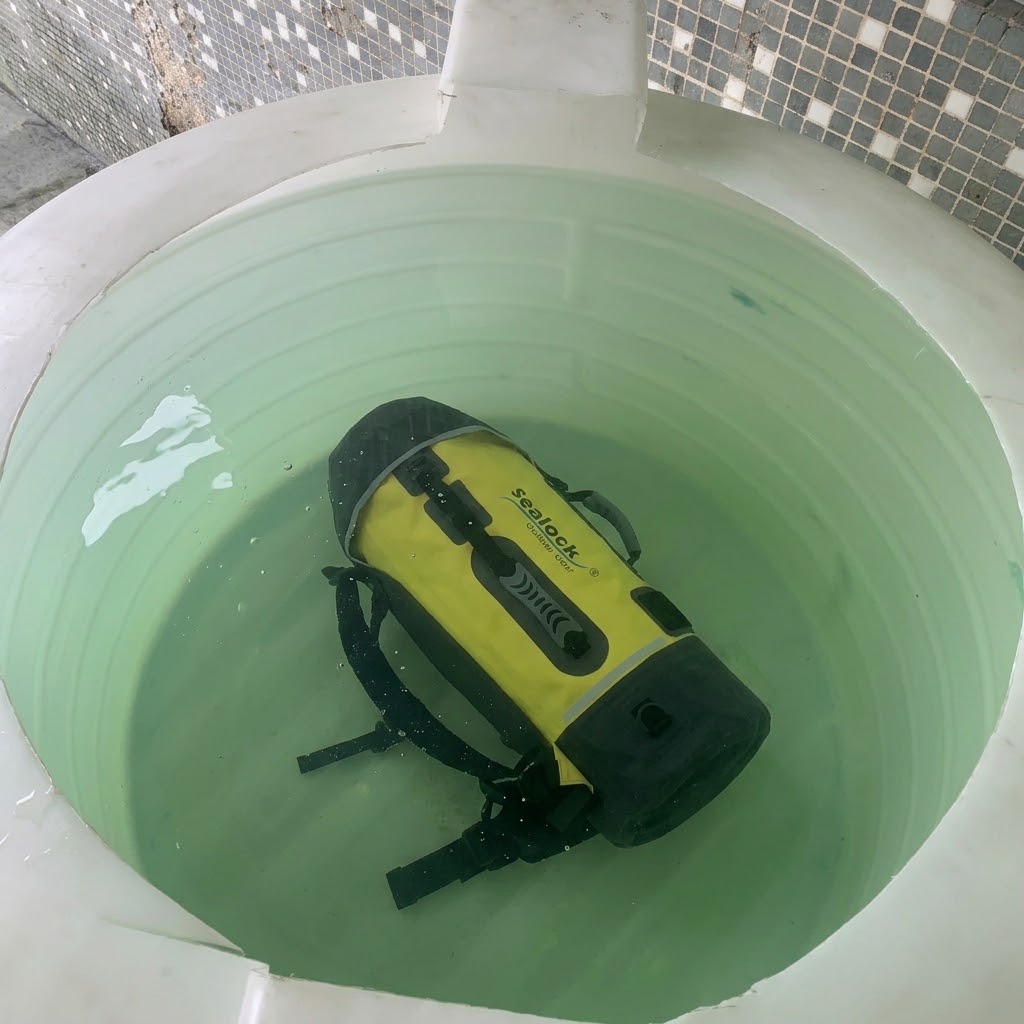
This technical white paper explores the engineering benchmarks required to achieve true submersibility in waterproof outdoor gear. We provide an in-depth analysis of Sealock's 1.0 Bar hydrostatic integrity testing, the physics of 27.12 MHz high-frequency welding, and the systematic quality control measures that prevent air and water ingress in extreme environments.
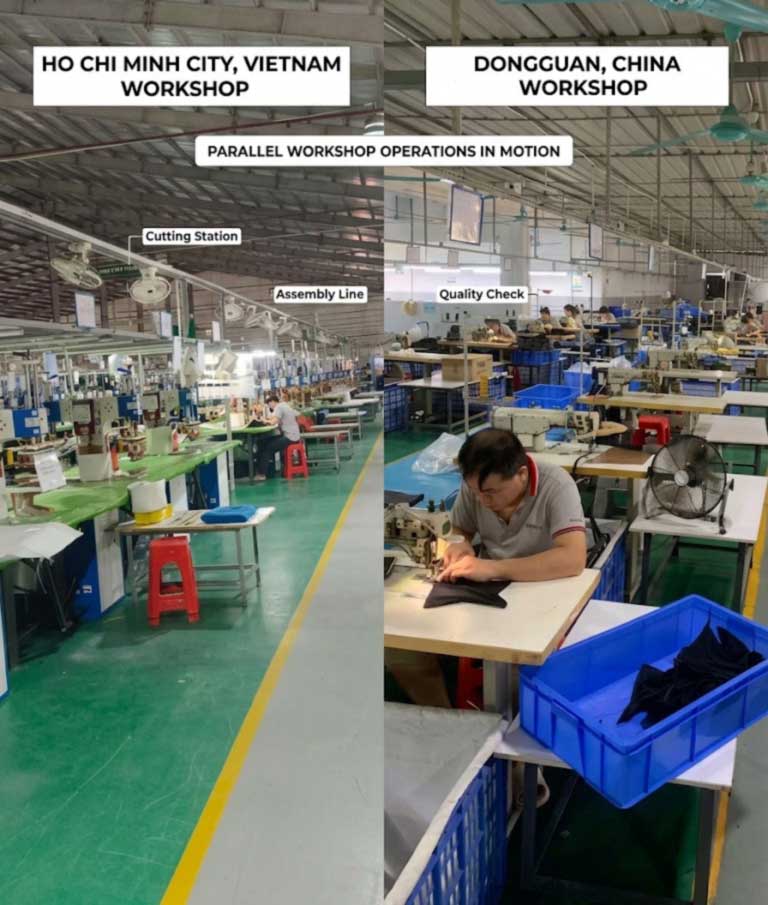
This comprehensive industry report examines the critical role of supply chain transparency and cross-regional manufacturing synergy in the technical waterproof gear sector. We analyze how Sealock (Yi Fu Long) leverages high-score SCAN audits, ISO-certified quality management, and standardized technical protocols between its China R&D center and Vietnam production bases to mitigate risks for global outdoor brands in a volatile 2026 trade environment.