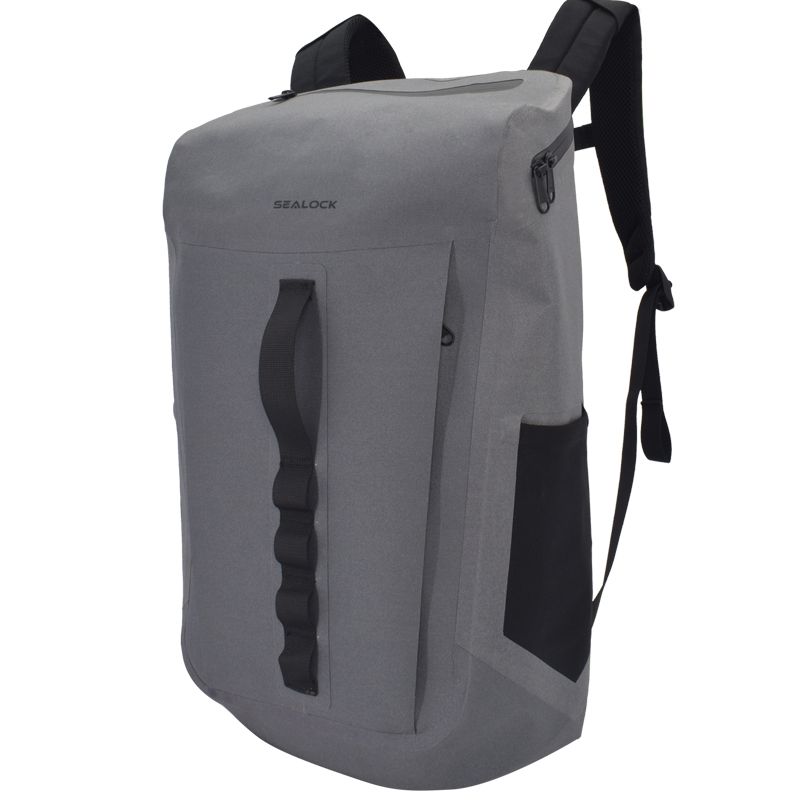
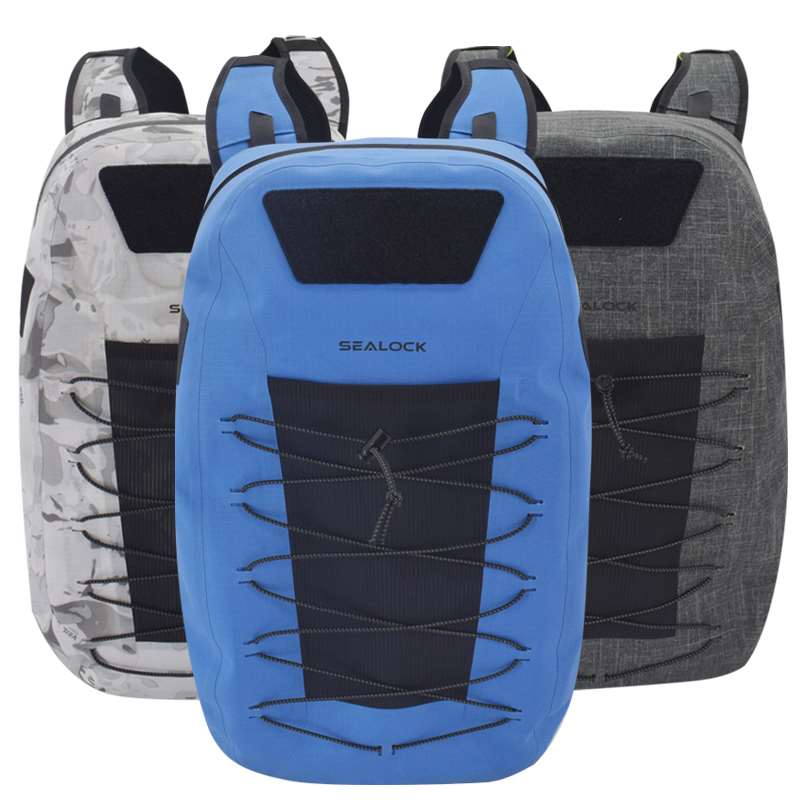
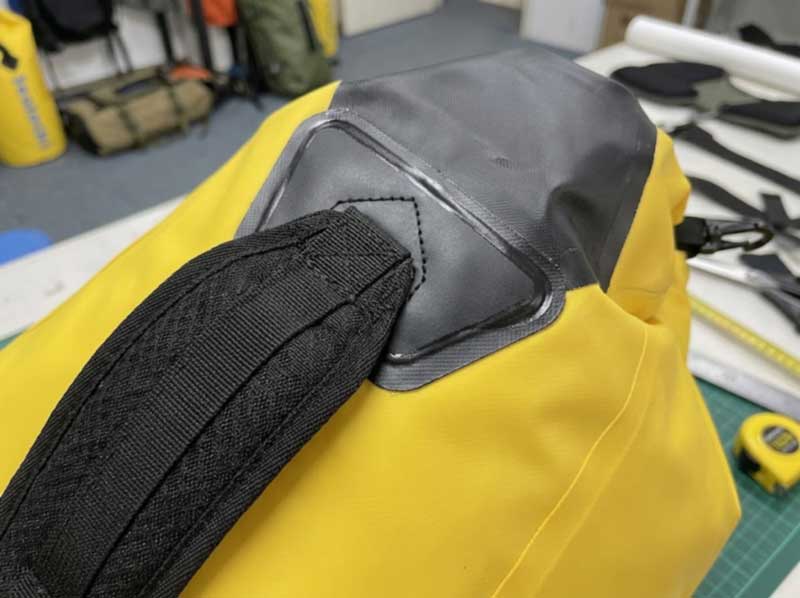
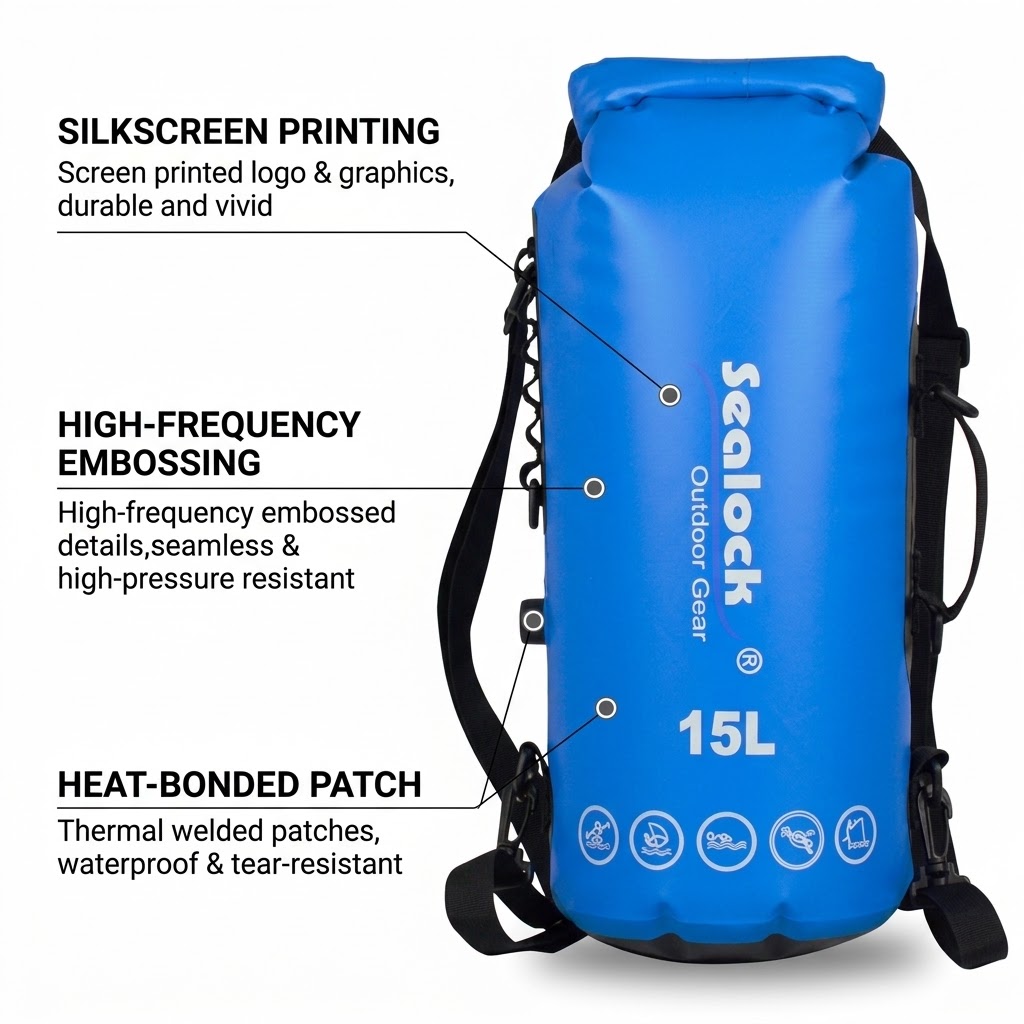
A dry bag backpack sounds like a simple product: take a roll-top dry bag and add two shoulder straps. In practice, the straps change almost everything about how the bag has to be designed and made. A dry bag is built to keep water out while it sits in a hatch or on a deck. A dry bag backpack has to do the same while hanging from someone's shoulders for hours, being swung on and off a boat, and carrying a load that pulls on every point where a strap meets the shell.
Whether a logo can be added is one of the first three questions almost every buyer asks us, together with the minimum order quantity and the price. The short answer is always yes. The more useful answer is that a waterproof bag is a harder surface to brand than a cotton tote or a polyester backpack, and the method that looks best on a sample card is not always the one that still looks right after a season of rain, salt water, sun and being rolled shut a few thousand times.
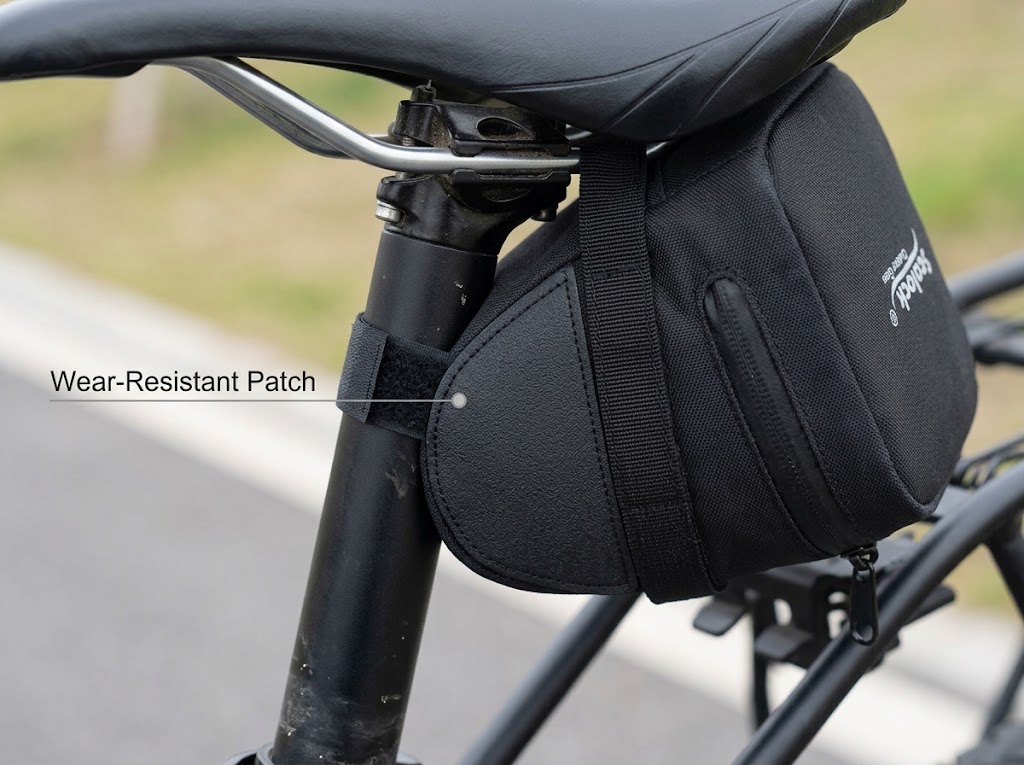
A bag that lives on a bicycle or a motorcycle has a harder working life than almost any other bag a brand will sell. It is strapped to a moving machine, rubbed against a frame or a fairing for hours at a time, sprayed with road water that carries grit, oil and winter salt, baked in the sun while the vehicle is parked and, on a motorcycle, sometimes held a hand's width from an exhaust. Choosing the fabric for that bag is therefore less about a spec sheet and more about matching a material to what the road will actually do to it.This guide is written for brand owners and product managers who are specifying a bike or motorcycle bag range. It explains the four kinds of damage the road inflicts, compares the five materials we use most for these products, and shows why a waterproof fabric on its own does not make a waterproof bag. It draws on over 20 years of making waterproof bags at our factory in Dongguan, with a second production base in Ho Chi Minh City, Vietnam.
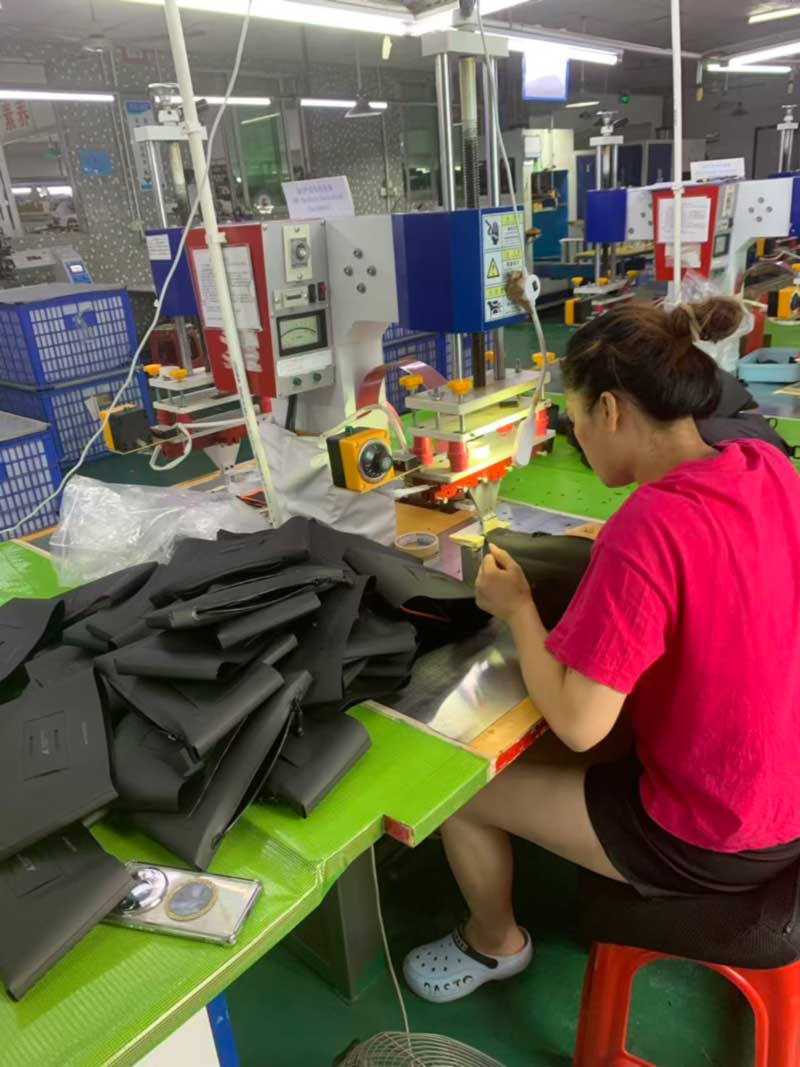
Stand at the head of our welding hall and count the stations. Each one has a number stencilled on the machine — 011, 012, 015, 020, 021 — its own die clamped in the press, its own tray of components, and its own lined bin underneath catching finished parts. None of them is making a bag. Every one of them is making a piece of one.
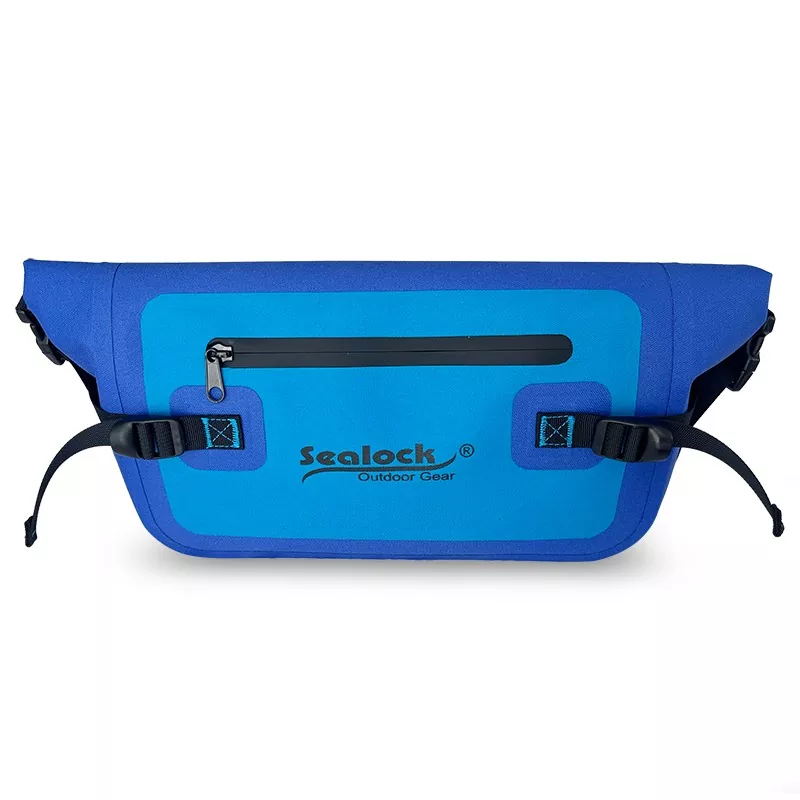
Sealock is a custom bike and motorcycle bag manufacturer and OEM supplier. A bag for a vehicle is really two products built into one: a sealed container, and a mounting system that has to survive sustained vibration. They are manufactured differently, they fail differently, and on this category the mount is the harder half. This guide covers how the mounting system is actually built into a welded shell, the components specific to this category, and why the production sequence is decided by the mount rather than the bag.
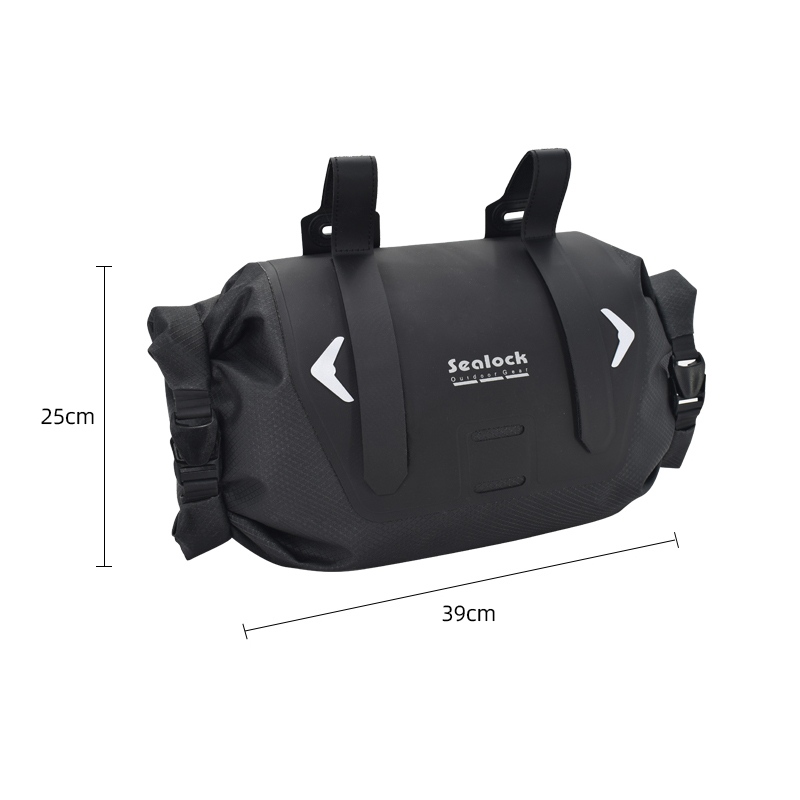
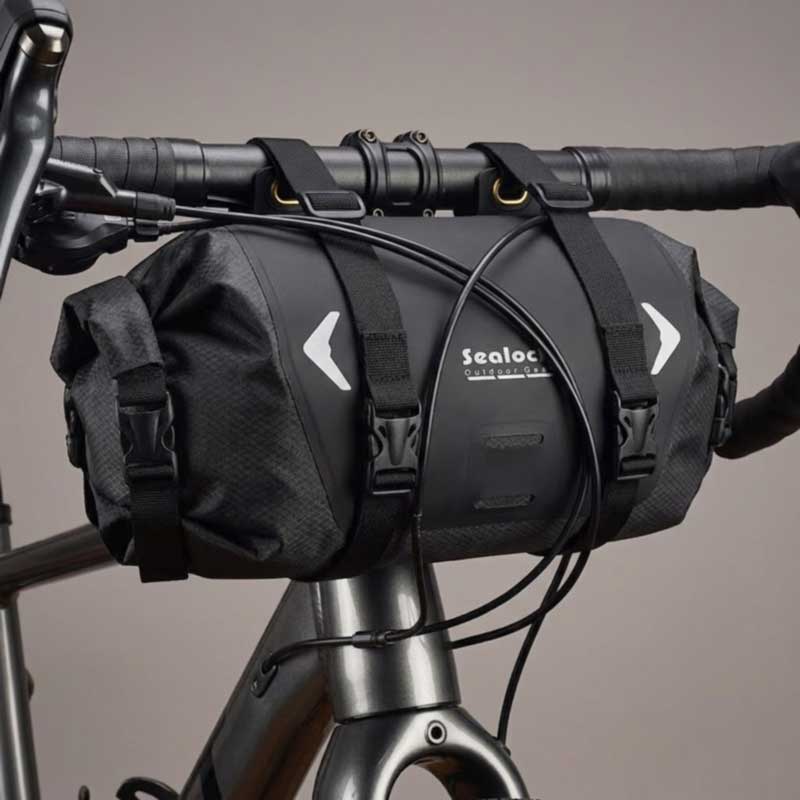
Sealock is a bikepacking bag manufacturer and OEM supplier. Bikepacking is rackless by definition: every bag hangs off the bike by straps alone, and there is no rack to carry the load, stop it swinging, or keep it off the tyre. That single fact changes the engineering of every bag in the system. This guide covers the problems that actually generate returns and poor reviews in this segment — sway, cable abrasion and clearance — and how a bag is specified to solve them.