Introduction: The 2026 Imperative for Supply Chain Resilience
In the high-stakes world of global outdoor equipment procurement, the landscape of 2026 demands more than just manufacturing capability; it demands radical transparency. Procurement directors for tier-1 brands are currently facing a "triple threat": volatile geopolitical tariffs, tightening environmental regulations (such as the PFAS bans), and the increasing risk of "Quality Drift" in decentralized supply chains.
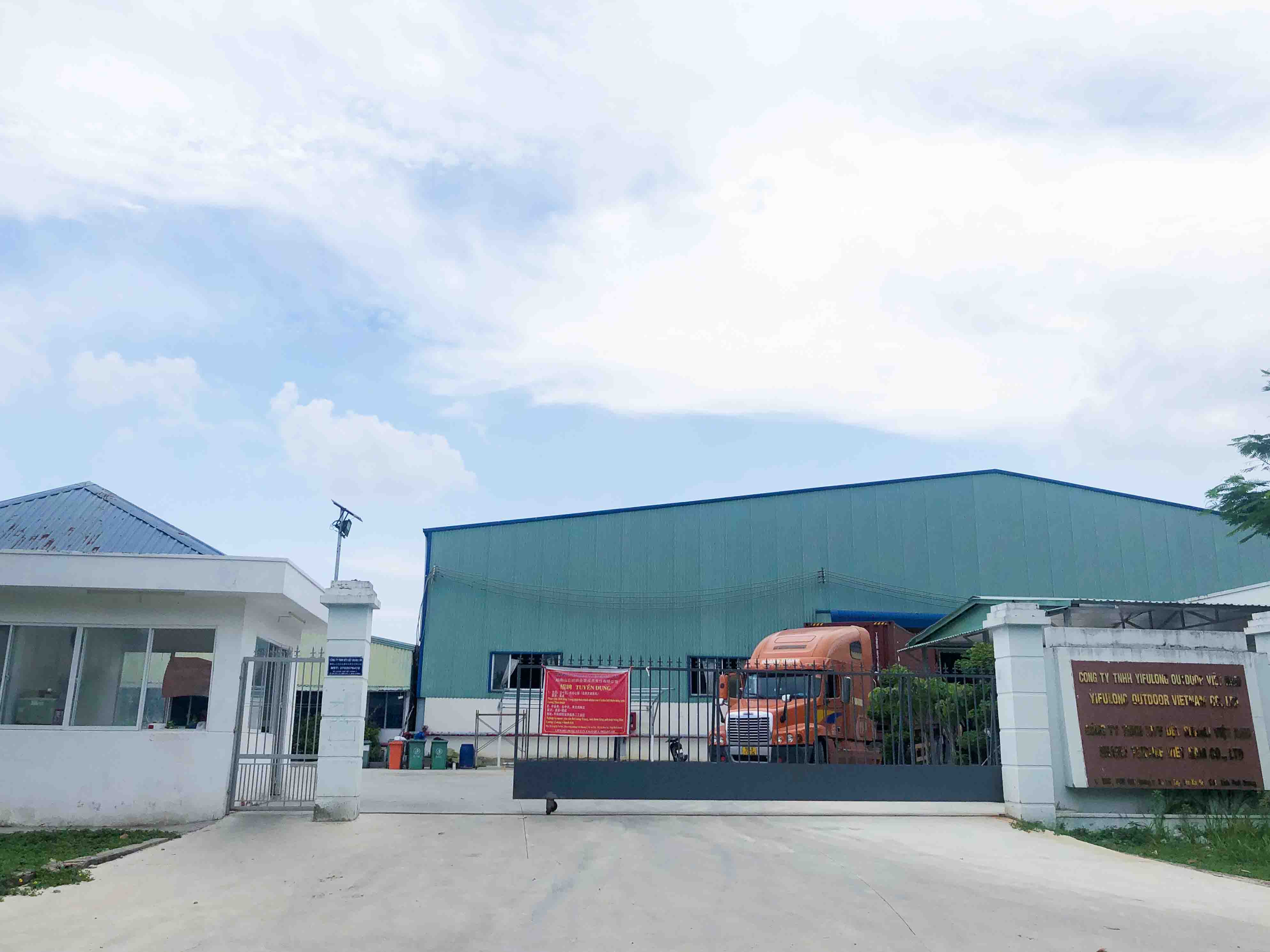
At Sealock (Yi Fu Long), we have spent 25 years engineering a solution to these challenges. Our China-Vietnam Dual-Base Model is not merely a logistical shift; it is a standardized, audited, and highly technical framework designed to provide global buyers with absolute peace of mind. By merging high-end Chinese R&D "Intelligence" with a SCAN-certified Vietnamese "Execution" engine, we offer a supply chain that is as secure as it is innovative. This article explores how we maintain these standards through rigorous audits and technical synergy.
1. The SCAN 97-Score Standard: Navigating US Customs and CTPAT
For brands targeting the North American market, security compliance is often the "hidden" hurdle that causes the most significant delays. The Supply Chain Alliance for Corporate Responsibility (SCAN) audit is a comprehensive security assessment that aligns with the requirements of the C-TPAT (Customs-Trade Partnership Against Terrorism) program.
1.1 The Strategic Impact of a 97 Score
While a passing score is commendable, Sealock’s Vietnam facilities consistently achieve a SCAN score of 97. In the world of international logistics, this is not merely a number; it represents an elite tier of security compliance. In practical terms, a high SCAN score acts as a "Green Card" at US ports of entry. It signals to Customs and Border Protection (CBP) that the cargo from Sealock has been handled within a low-risk environment, drastically reducing the frequency of intrusive manual inspections that can add weeks to your lead time.
1.2 Beyond Physical Security: Ethical Transparency
A transparent supply chain must also be an ethical one. Our dual-base operations are regularly audited under BSCI (Business Social Compliance Initiative) and SMETA standards. We believe that a high-performance waterproof bag cannot be produced in a low-standard environment. By ensuring fair wages, safe working conditions, and zero child labor across both our Dongguan and Ho Chi Minh City plants, we provide our clients with the ethical documentation required by modern retail giants to protect their brand equity.
2. Cross-Regional ISO 9001:2015: Synchronizing the "Industrial Brain"
The most significant challenge in cross-border manufacturing is the loss of technical precision when production moves from a sophisticated R&D hub to an overseas mass-production facility. Sealock eliminates this through a unified ISO 9001:2015 Quality Management System that blankets all operations.
2.1 The "Industrial Brain" in Dongguan
Our headquarters in Tian’an Cloud Park, Dongguan, functions as our global "Industrial Brain." This is where Phase 1 (Project Initiation) and Phase 2 (Technical Design) take place. According to our Business System Development Protocol, every technical nuance—from the molecular fusion settings of our 27.12 MHz machines to the precision of the 1.0 Bar pressure test—is codified into a Master SOP (Standard Operating Procedure).
2.2 Digital Synergy and Technical Handover
The transition to Vietnam is a digital-first handover. The Vietnam team doesn't "interpret" the design; they execute a pre-validated technical blueprint. By utilizing identical machinery and synchronized QC software, we ensure that the first article off the line in Vietnam is indistinguishable from the gold-standard prototype developed in China. This synergy ensures that our 25-year manufacturing heritage is present in every stitch and weld, regardless of the factory's GPS coordinates.
3. Engineering Trust: Molecular Fusion and 1.0 Bar Reliability
Transparency also means being open about the technical limitations of traditional manufacturing. While many vendors rely on manual sewing and seam taping, Sealock advocates for High-Frequency (HF) Welding as the only reliable method for technical submersibles.
3.1 27.12 MHz: The Physics of Trust
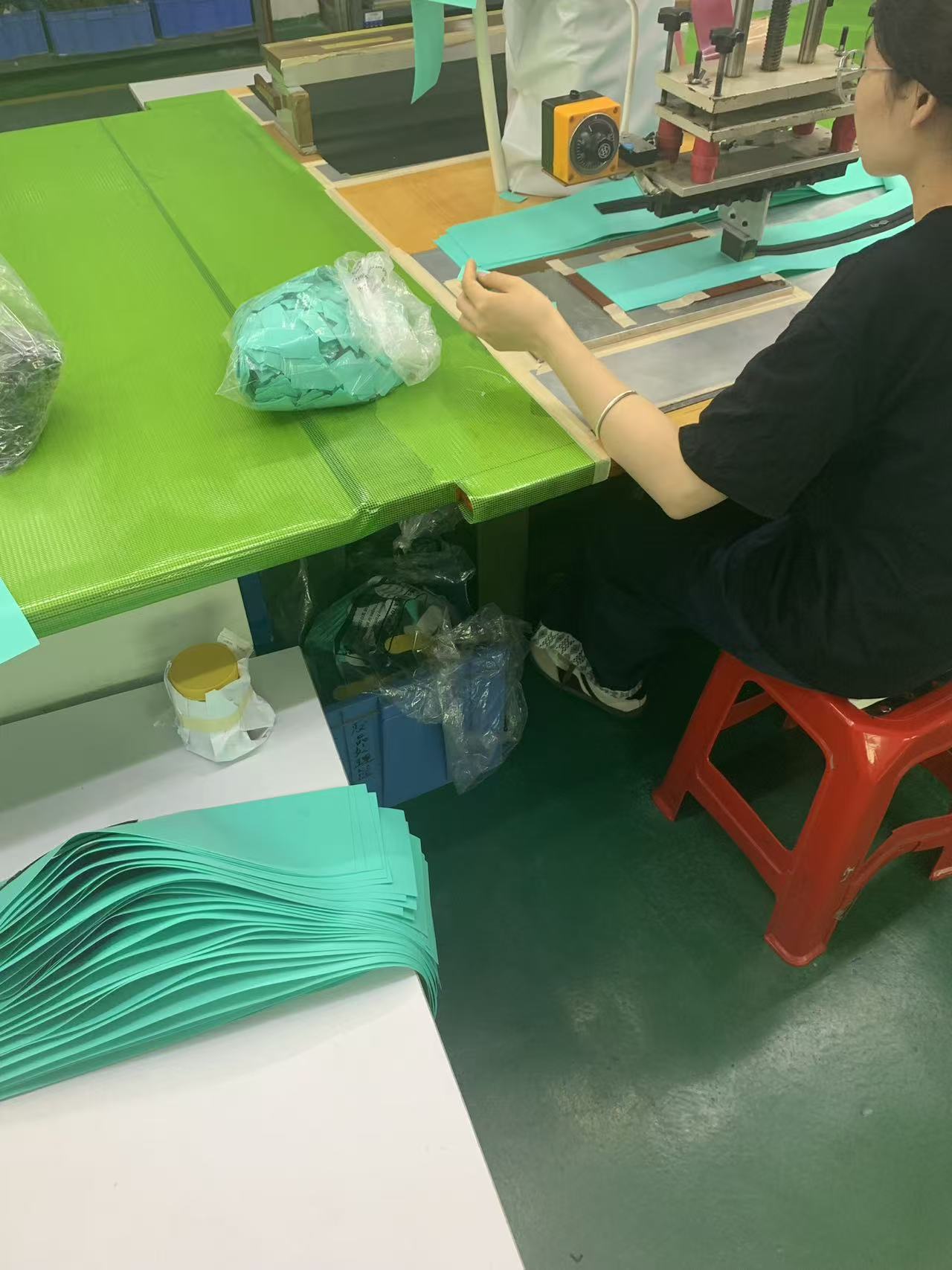
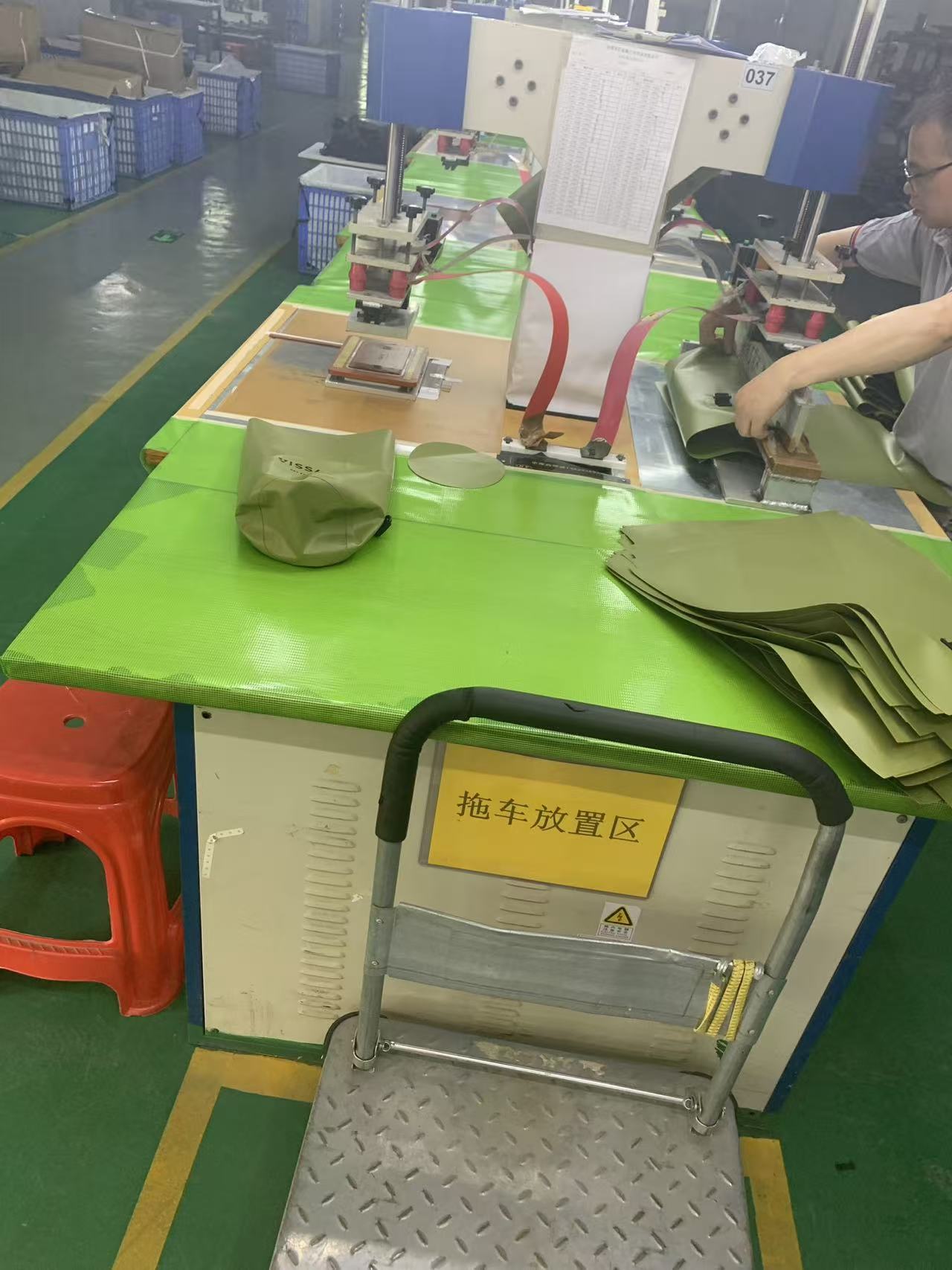
Our HF welding stations (as seen in our production facility documentation) operate at a precise 27.12 MHz. This is the frequency required to achieve "Molecular Fusion" in TPU and PVC fabrics. Unlike heat sealing, which can be superficial and prone to peeling under UV exposure, HF welding vibrates the molecules of the fabric itself, fusing them into a single, inseparable unit. This molecular-level bond is the foundation of our durability promise.
3.2 1.0 Bar Validation: Empirical Proof Over Marketing Claims
In the technical waterproof bag sector, terms like "submersible" are often misused. To provide objective transparency, we utilize the 1.0 Bar Hydrostatic Integrity Test. We invite our clients to witness these tests via video link. By demonstrating that our bags can withstand the pressure equivalent to 10 meters of water depth, we move the conversation from "marketing promises" to "empirical proof."
4. Environmental Compliance: The PFAS-Free Mandate of 2026
Transparency in 2026 must extend to the chemical composition of the product. With impending global bans on PFAS (Per- and Polyfluoroalkyl Substances), brands are under immense pressure to prove their products are non-toxic. Sealock has proactively transitioned to a 100% PFAS-Free TPU supply chain. We maintain a database of SGS test reports for every material batch, covering 545 distinct substances, ensuring your brand is protected from future legal liabilities.
5. Frequently Asked Questions (FAQ)
Q1: Why is a SCAN score of 97 important for my business?
A: A SCAN score of 97 is one of the highest security ratings in the industry. It simplifies the US Customs (CTPAT) clearance process, reducing the risk of intrusive inspections and ensuring your products reach the market without unexpected logistical delays.
Q2: How does Sealock ensure quality consistency between China and Vietnam?
A: We use a unified ISO 9001:2015 management system. All R&D and SOPs are finalized at our Dongguan HQ (The Industrial Brain) and digitally synchronized with our Vietnam production lines, which use identical machinery and testing protocols.
Q3: Are your waterproof bags PFAS-Free?
A: Yes. Sealock has fully transitioned to a PFAS-Free TPU supply chain. Our materials undergo rigorous SGS screening for 545 substances to comply with the latest EU and California environmental regulations.
Q4: Can you handle high-volume OEM orders in Vietnam?
A: Absolutely. Our Vietnam facilities are designed for scalability, maintaining the same 1.0 Bar hydrostatic integrity standards while offering the tariff and labor cost advantages of the region.
Q5: What is the benefit of 27.12 MHz High-Frequency Welding?
A: It creates a molecular fusion between fabric layers. This bond is significantly stronger and more durable than traditional heat sealing or sewing, making it essential for professional-grade submersible gear.
Conclusion: A Future-Proof Supply Chain Partner
The global trade environment will only become more complex. Between fluctuating tariffs and tightening environmental regulations, the need for a stable, transparent, and technically superior manufacturing partner has never been greater. Sealock’s China-Vietnam dual-base model provides the agility of Vietnamese production with the technical rigor of Chinese engineering. We invite you to audit our processes and test our 1.0 Bar integrity for yourself.
 English
  Español
  Português
  русский
  Français
  日本語
日本語  Deutsch
  tiếng Việt
  Italiano
  Nederlands
  ภาษาไทย
  Polski
  Svenska
  magyar
  Malay
Malay  বাংলা ভাষার
  Dansk
Dansk  Suomi
Suomi  हिन्दी
  Pilipino
  한국어
한국어  Türkçe
  Gaeilge
  العربية
  Indonesia
  Norsk
Norsk  تمل
تمل  český
český  ελληνικά
  український
  Javanese
  فارسی
فارسی  தமிழ்
தமிழ்  తెలుగు
  नेपाली
  Burmese
  български
  ລາວ
ລາວ  Latine
  Қазақша
  Euskal
  Azərbaycan
  Slovenský jazyk
  Македонски
  Lietuvos
  Eesti Keel
  Română
  Slovenski
  मराठी
मराठी  Srpski језик