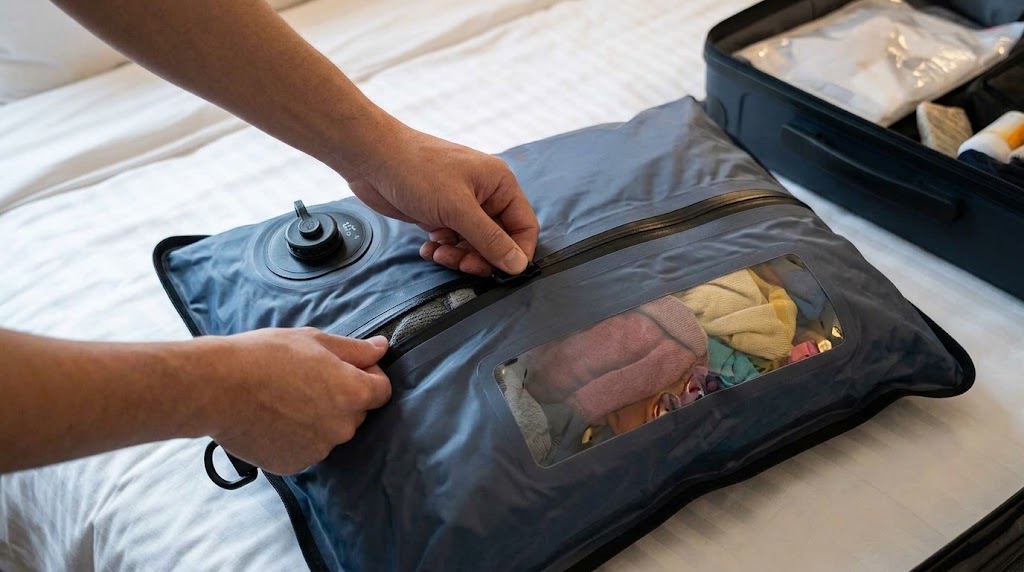
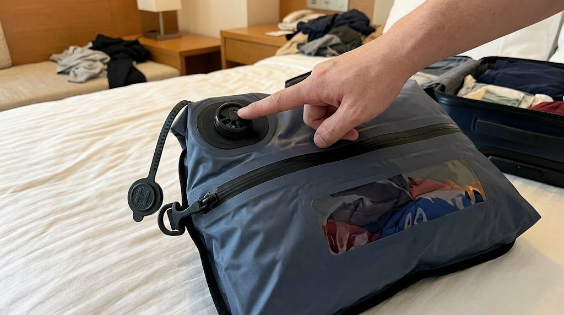
Using a vacuum bag looks simple: put things in, take the air out, close it. In practice, the small details decide whether the bag ends up flat and stays flat, or slowly puffs back up overnight. Most problems with vacuum bags are not defects in the bag at all. They come from a zipper that was not fully closed, a bag that was overfilled, or a valve cap that was not seated properly.
Vacuum bags for clothes are one of the simplest ways to make space, whether that space is in a carry-on or a wardrobe. Take the air out of a pile of jumpers and it shrinks to a fraction of its size. But not every garment should go into a vacuum bag, and not every vacuum bag is built to hold a vacuum for long. Most disappointing results, from crushed jackets to bags that puff back up in a week, come from putting the wrong clothes in the wrong bag for the wrong length of time.
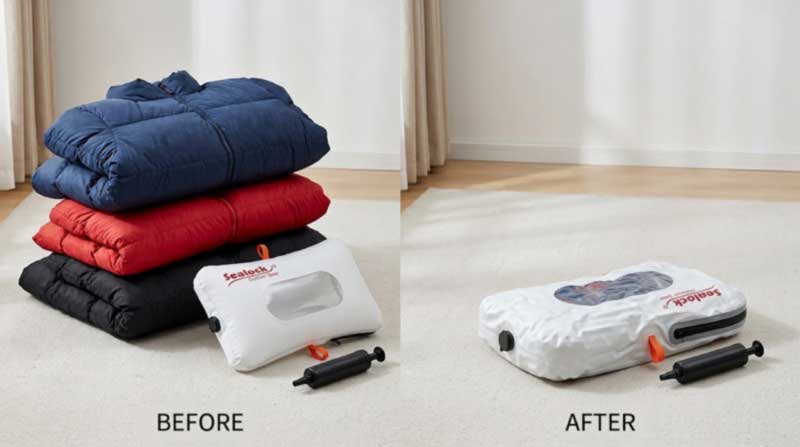
Travel vacuum bags all promise the same thing: squeeze the air out of your clothes and fit more into a carry-on. What separates them is how the air gets out. Some bags have an electric pump built into the valve, some come with a small hand pump, and some have no pump at all and are rolled flat by hand. Each method works, but each suits a different traveller, a different price point and a different set of shipping rules. Choosing the wrong one is behind most of the complaints travellers leave in reviews: a pump that is a chore to use on the way home, a bag that cannot be packed without a vacuum cleaner, or a bag that slowly puffs back up overnight.
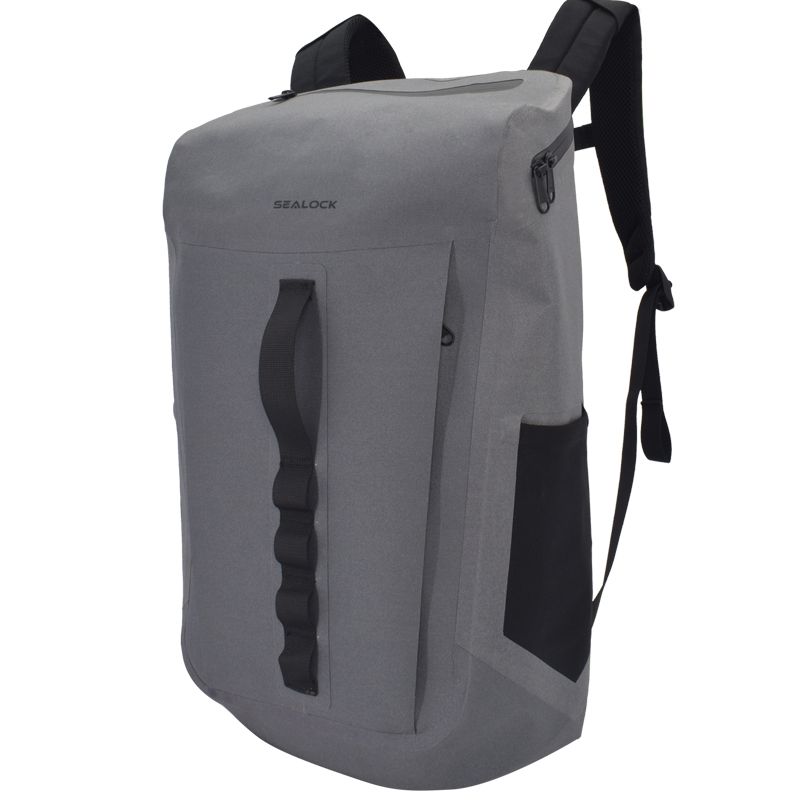
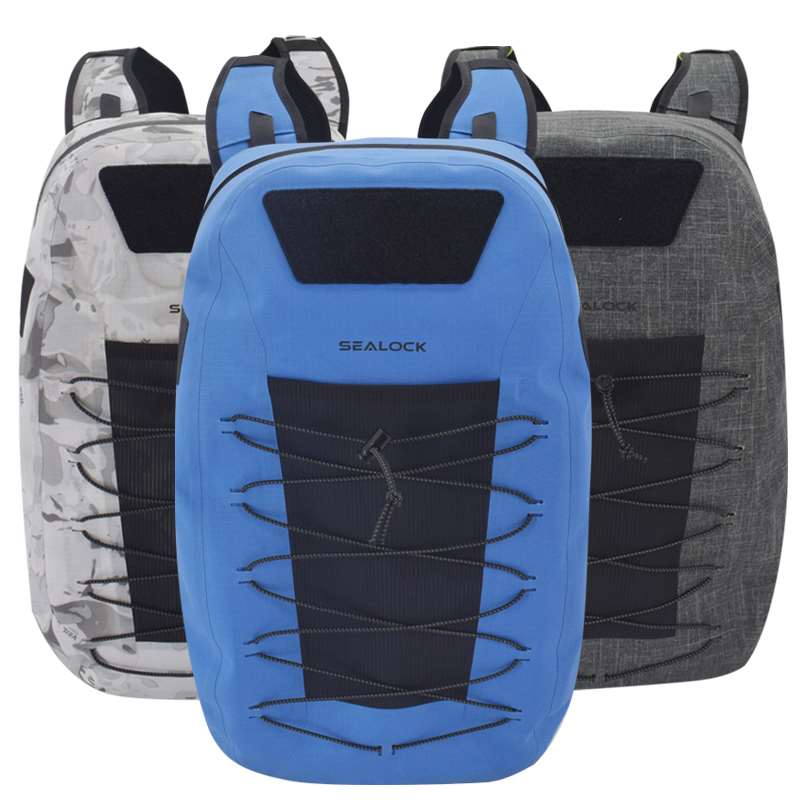
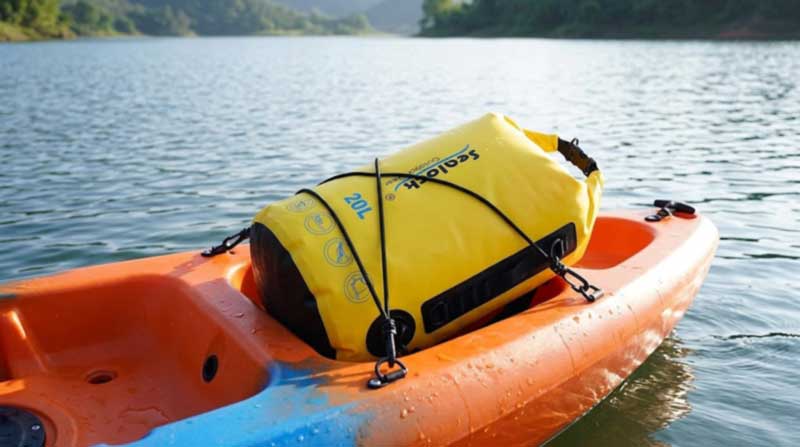
A kayaking backpack has two jobs that pull in different directions. On land, it is a backpack: it has to carry a full load comfortably from the car park to the launch, along a portage or up to a campsite. On the water, it is cargo: it has to sit low behind the seat or in the tank well of a sit-on-top kayak, stay strapped down through waves, and keep everything dry if it goes over the side. A bag that is good at only one of these jobs is the most common reason paddle shops see returns.
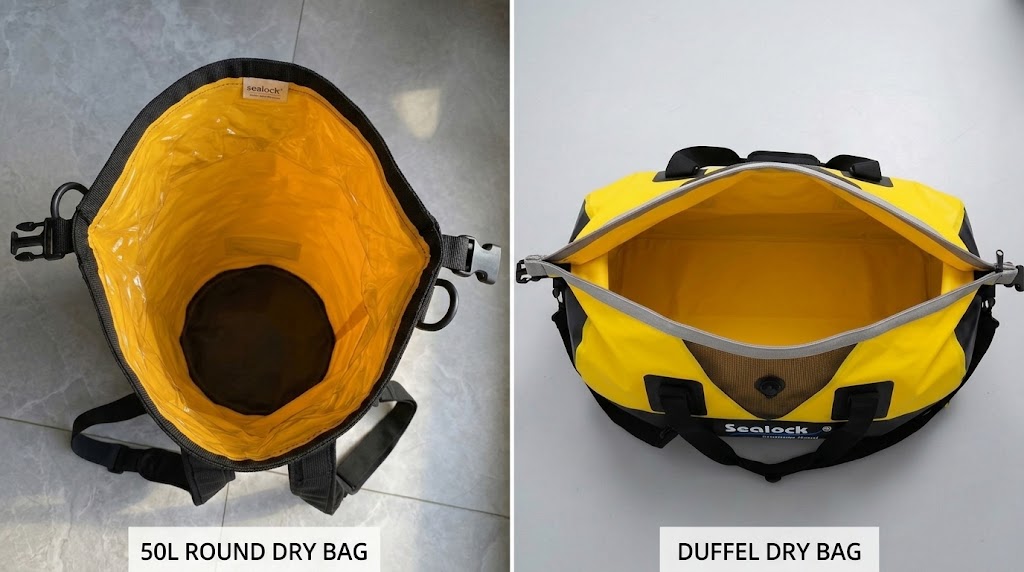
A 50-litre dry bag holds roughly a sleeping bag, a tent and a change of clothes, or a week of clothing for one person. It is the size rafting outfitters, boat owners, expedition teams and camping retailers buy most when they need one bag to carry a whole load. It is also the size where the design rules that work for a 10- or 20-litre dry bag start to fail. A 50L bag is heavy when full, hard to dig through, and carried in very different ways from a small one, so it has to be built differently.
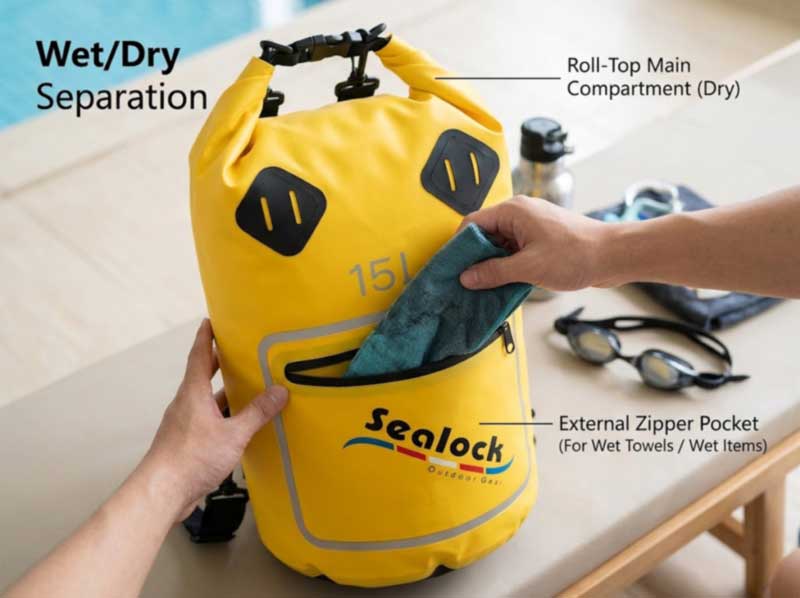
A wet dry bag is a bag with two separated zones: one that keeps dry things dry, such as a phone, towel or change of clothes, and one that holds wet things, such as a swimsuit, goggles or a damp towel, so the water does not reach the dry side. Swimmers, gym users, beachgoers and surfers use them to carry wet and dry kit together in one bag. The idea is simple, but how the two zones are separated decides whether the bag actually works, and it is the part most cheap wet dry bags get wrong.