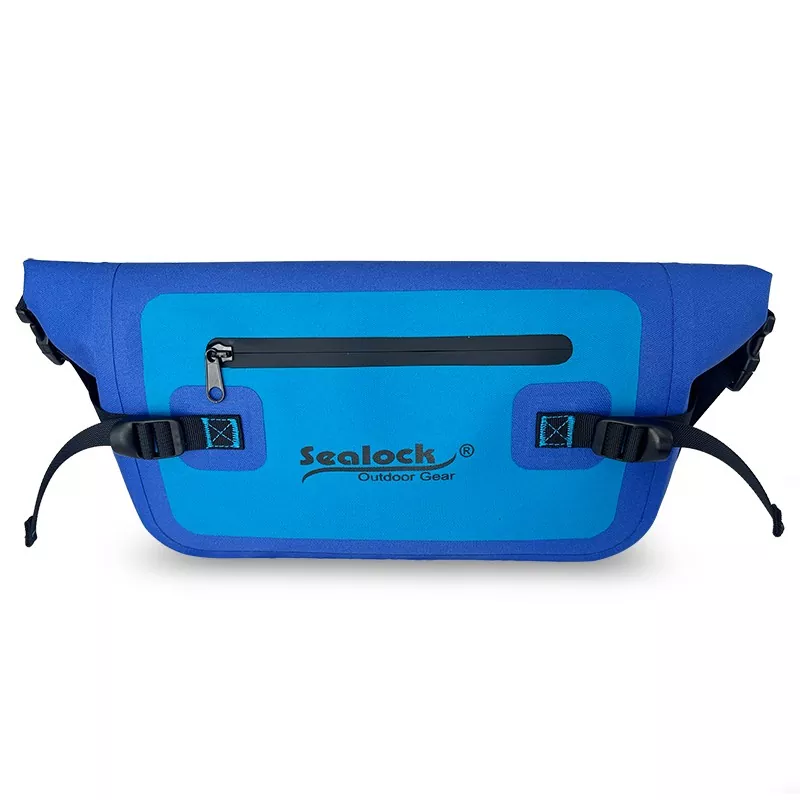
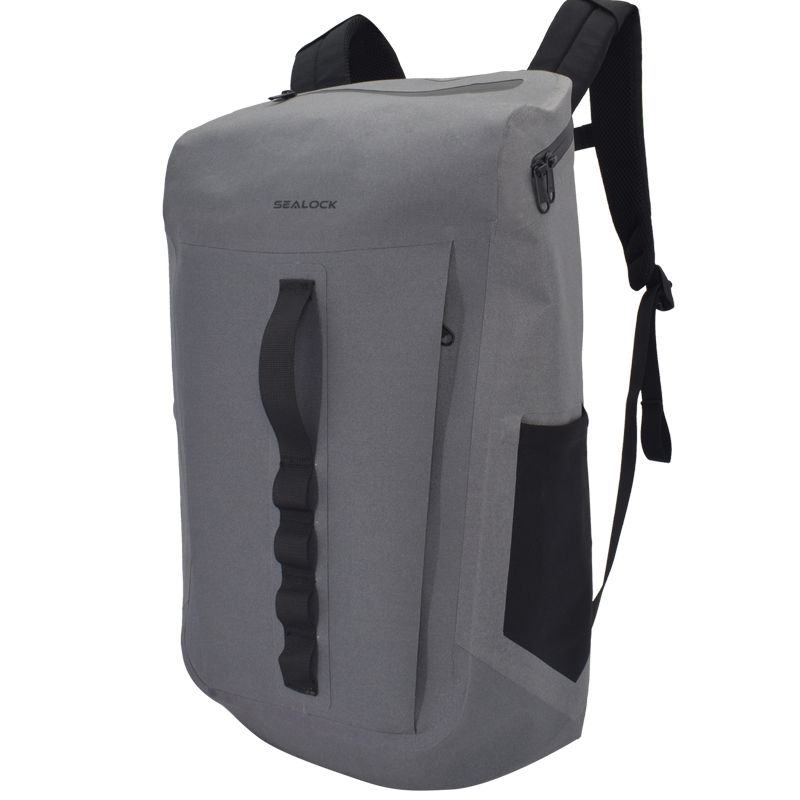
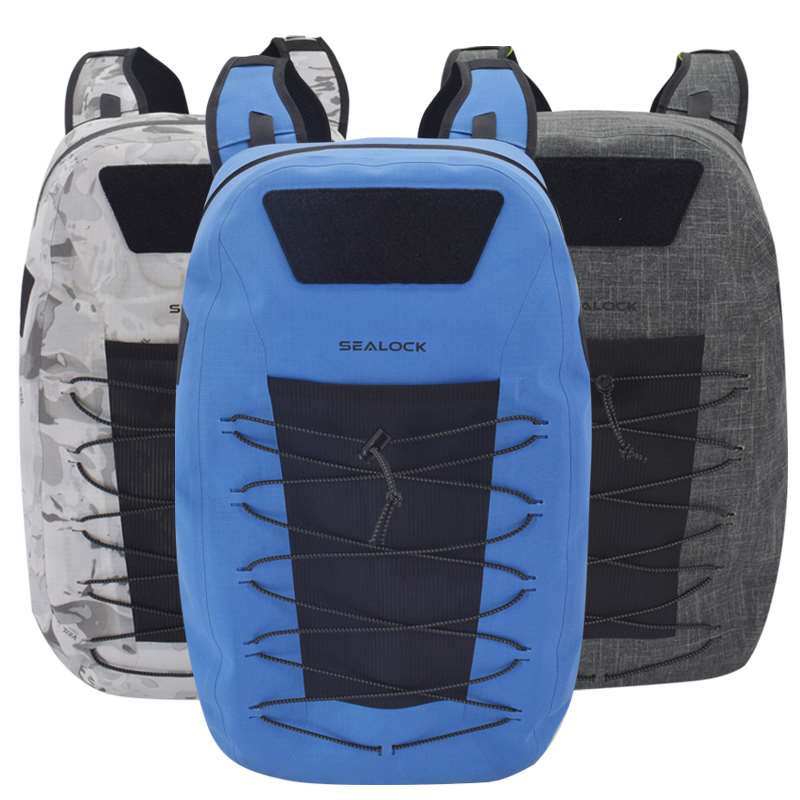
Sealock is a waterproof bag manufacturer in China offering the full span of OEM and ODM service, from a simple relabel to a ground-up original build. Turning an idea into a shelf-ready product runs through inquiry, sampling, tooling, mass production, quality control, inspection, and customs; any gap left open becomes a cost or a return months later. This guide skips the generalities and walks each stage with concrete steps, specs, timelines, and cost logic, so a brand can see the whole OEM chain before a deposit is wired.
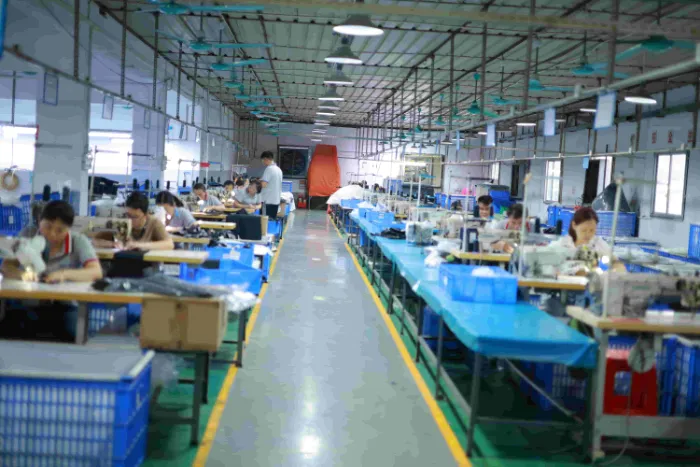
Sealock is a waterproof duffel bag manufacturer and OEM supplier, and the checks a serious buyer runs before choosing one are the same ones a real factory welcomes. Choosing wrong rarely hurts on day one — it surfaces months later as leaking seams on arrival, a bulk run that doesn't match the approved sample, or a lead time that slips past the selling season. Vetting a supplier comes down to a few pillars: whether it is a real factory, whether it can prove its process and compliance, whether it holds sample quality at scale, and whether its terms survive a reorder.
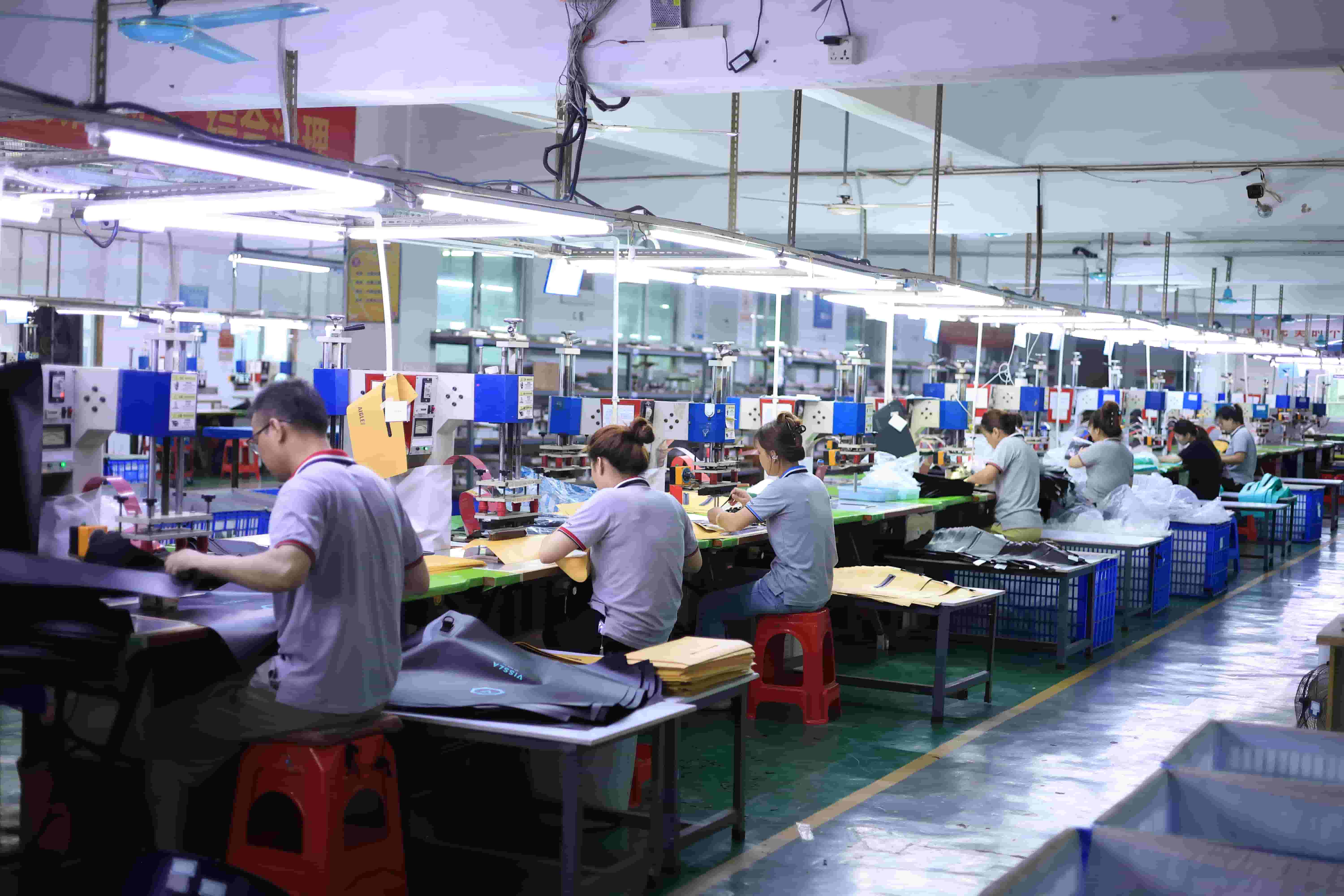
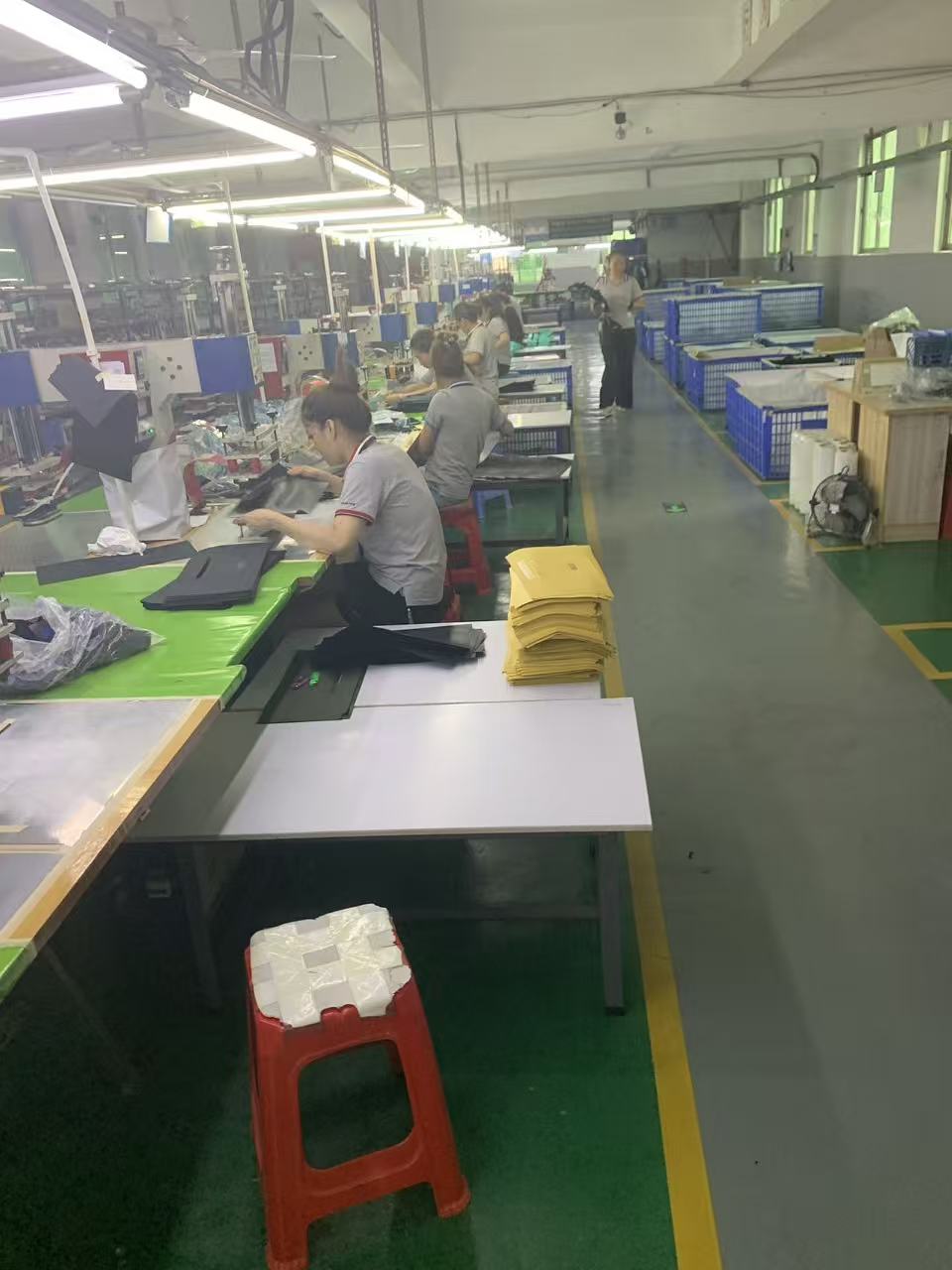
In heavy-duty waterproof gear manufacturing, scaling production from a Golden Sample to a 10,000-unit commercial run is where most supply chains fracture. A sample crafted by a senior technician behaves differently than thousands of units running through raw floor automation. At Sealock, we mitigate this friction by stabilizing the shop floor.
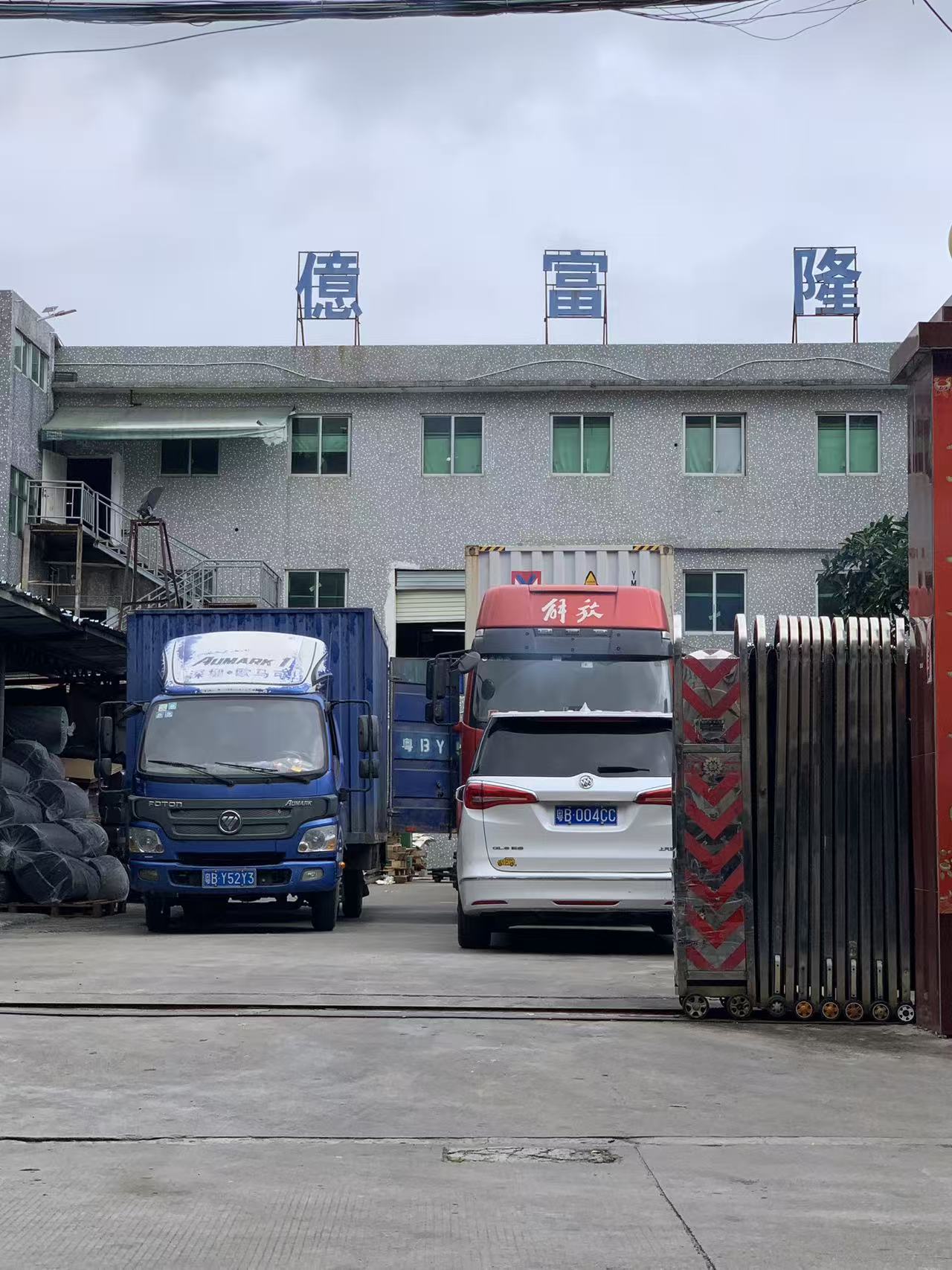
A dual-base manufacturing strategy looks clean on an RFQ. Executing it—tracking polymer resin lots across international borders, synchronizing container loading sequences, and delivering calibrated TPU substrates to a Vietnamese welding floor in the same pristine condition they left a Chinese laboratory—is where most brokers break down. This case study documents the actual shop-floor operations behind Sealock's China-Vietnam manufacturing transfer: from upstream LLDPE compound gating and vacuum-sealed roll storage to Yang Ming container loading protocols and barcode traceability manifests. Because certificates are easy. Execution is what separates serious OEM partners from expensive mistakes.
This comprehensive technical report analyzes the critical transition from traditional polymers to PFAS-Free TPU in the waterproof equipment industry. We delve into the environmental mandates driving the non-fluorinated movement, the molecular advantages of TPU in 27.12 MHz high-frequency welding, and Sealock’s rigorous quality protocols for ensuring that sustainable gear meets professional-grade 1.0 Bar submersible standards.
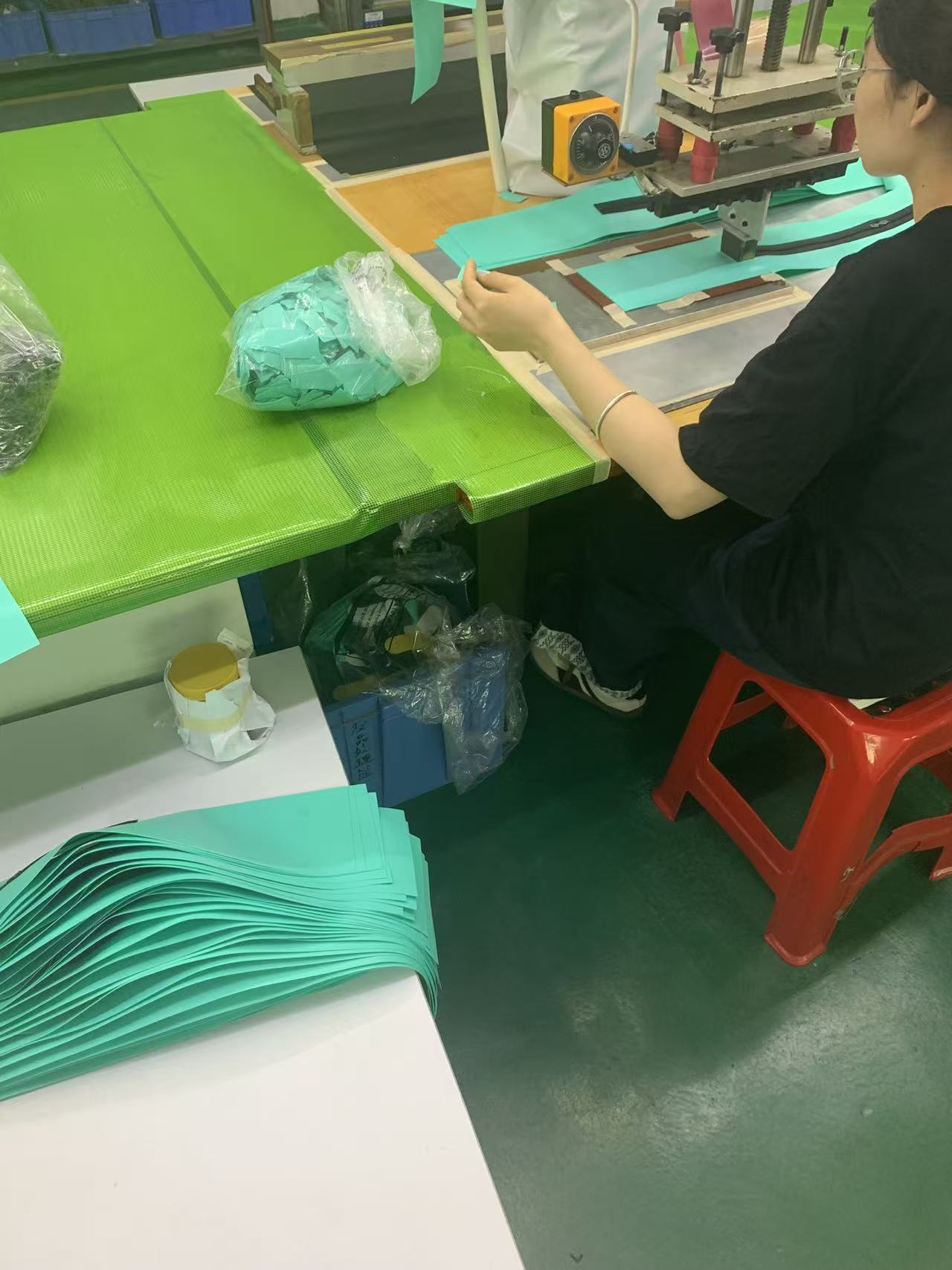
Not all waterproof seams are created equal—and the difference isn't visible until a product fails in the field. Conventional heat sealing bonds materials at the surface. High-Frequency welding at 27.12 MHz does something fundamentally different: it agitates molecules from within, creating a structural fusion that is frequently stronger than the base fabric itself. For OEM buyers specifying IPX7 or IPX8-rated gear, understanding this distinction isn't a technical detail—it's the difference between a product that survives a season and one that delaminates after three months. Here's how the technology works, why frequency matters, and what it means for your production quality standards.