Specifying a dual-base manufacturing strategy on an RFQ is easy. Executing the cross-border synchronized transfer of chemical-grade polymers, custom rigid componentry, and calibrated high-frequency substrates without batch deviation is where generic brokers fail. This case study documents the physical shop-floor friction, material lot tracking, and container-loading sequence executed weekly at our manufacturing hubs, proving our operational capability as a high-performance OEM outdoor gear manufacturer.
Phase 1: Upstream Raw Material Compounding and Component Quality Gates
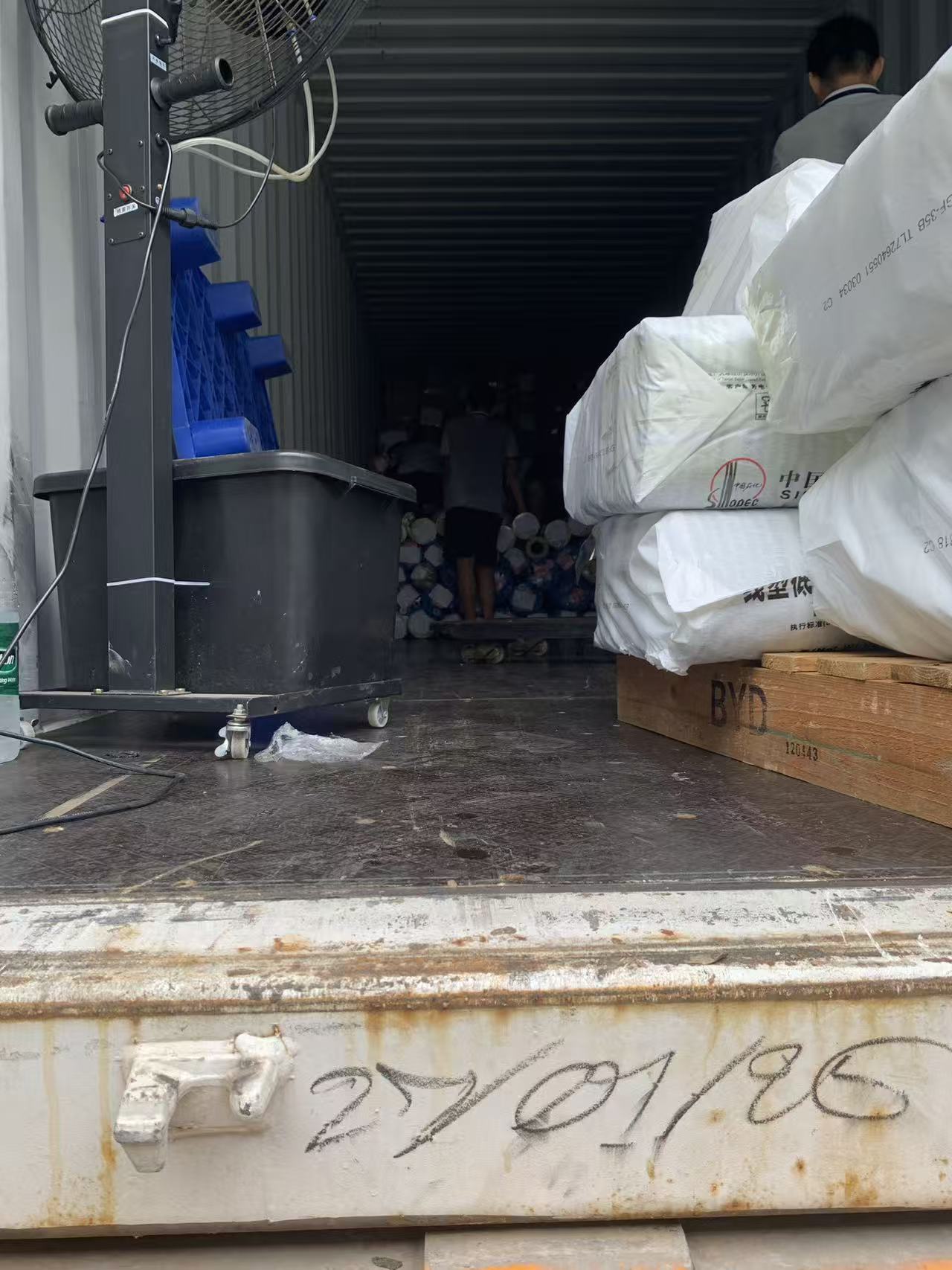
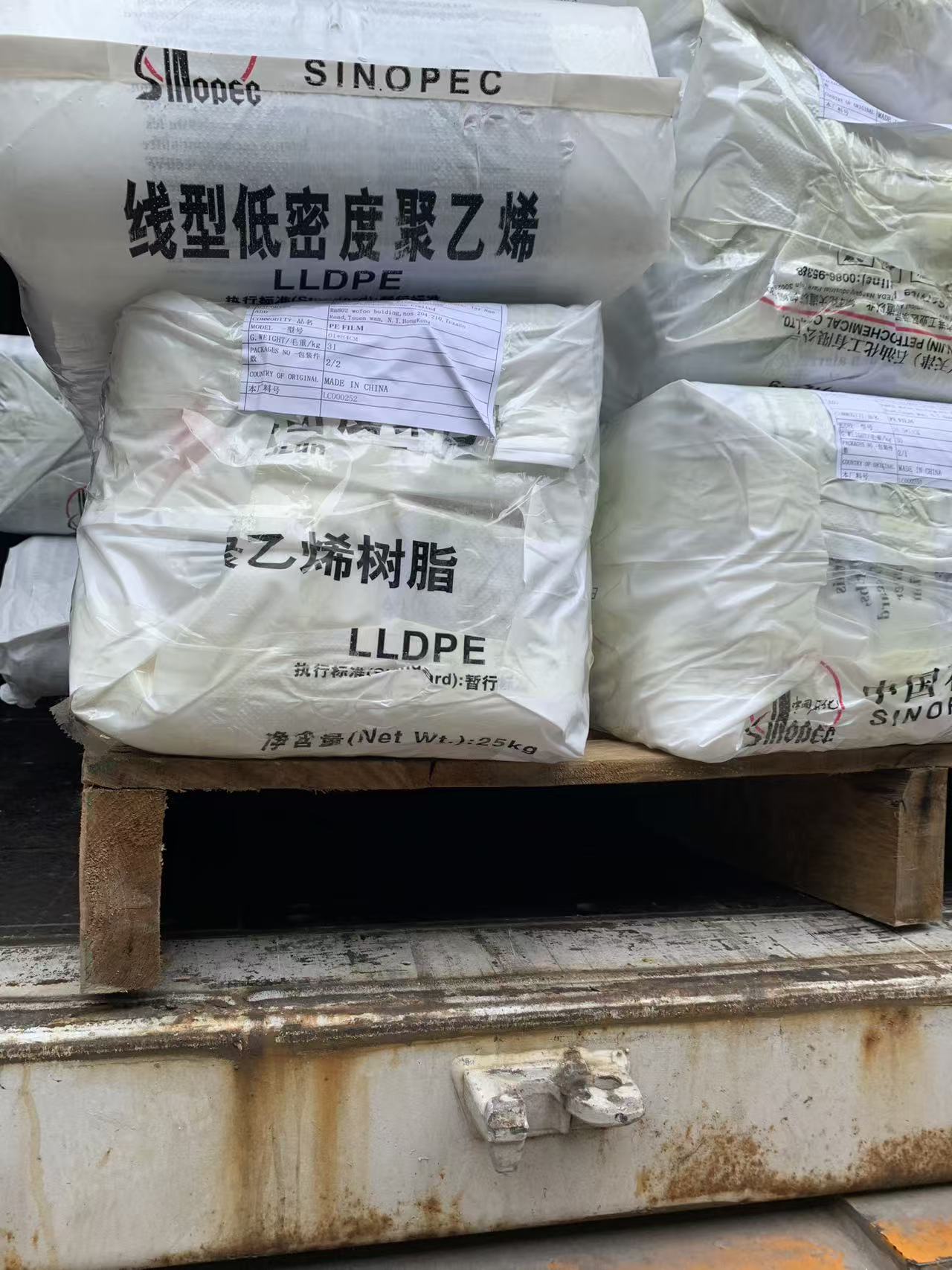
Reliable waterproofing begins at the molecular level, long before fabric reaches a high-frequency welding die. Our material warehouse controls incoming polymer resins with zero tolerance for specification drift. Linear Low Density Polyethylene (LLDPE) resin bags from premium suppliers like SINOPEC are palletized and kept in climate-controlled zones to eliminate moisture absorption before compound lamination.
Simultaneously, rigid hardware and molded structural parts undergo isolation testing. Our recent production run integrates custom ABS top covers (Part Number: GG000218) manufactured by specialized precision molders. Every lot of 1,000 pieces is subjected to dimension tolerance auditing and stress-fracture validation before receiving a signed QA material tag. We do not mix batches. We do not accept unverified components. If a part lacks a certified tracking log showing production dates and inspection signatures, it is rejected at the gate.
Phase 2: Barcode Control and Moisture Protection in Roll Storage
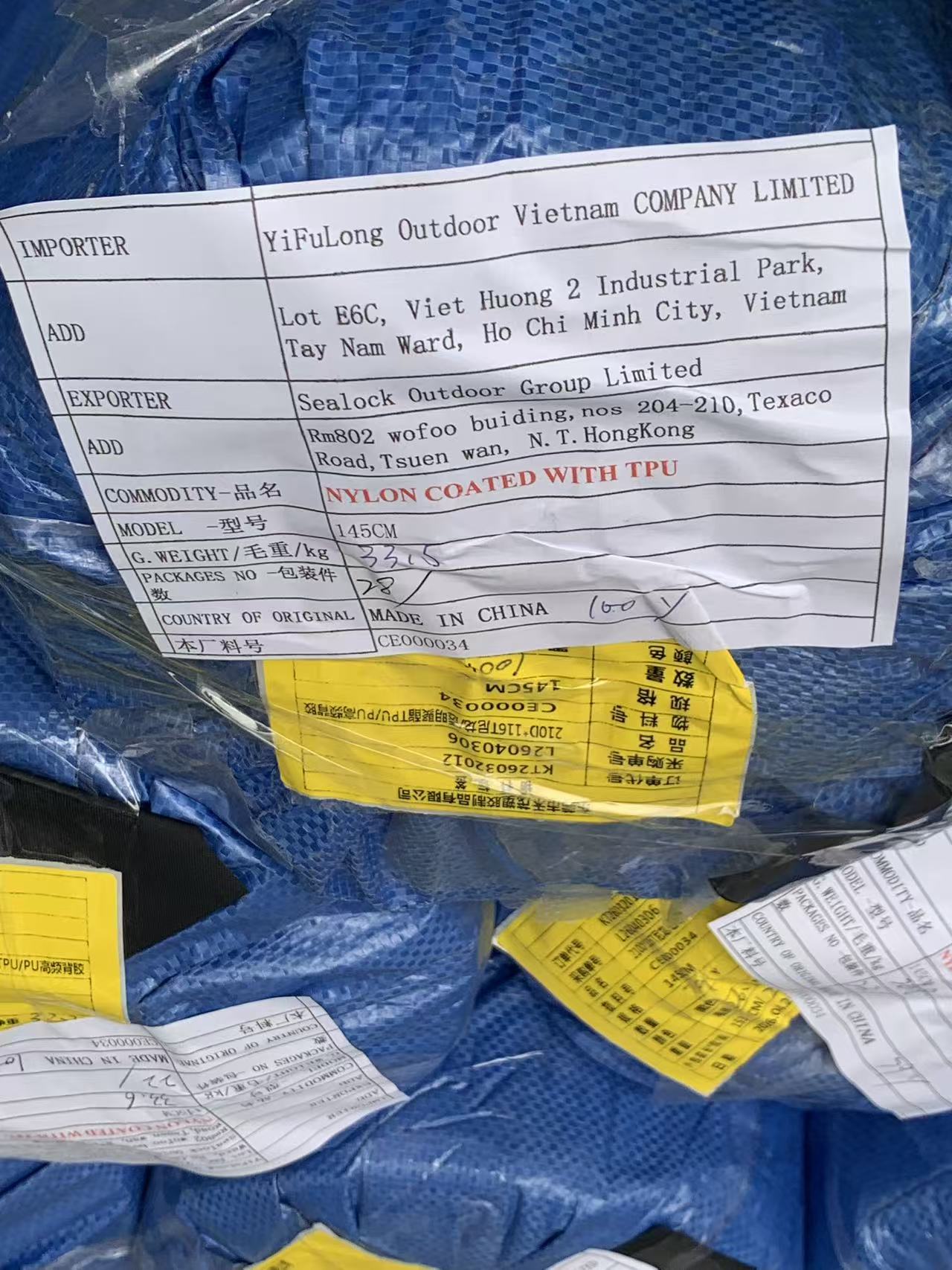
Flexible fabric handles are a major failure point if exposed to environmental breakdown during sea transit. Our heavy-duty nylon base fabrics (such as 210D*116T variants) undergo single-sided transparent TPU film lamination using proprietary high-frequency back-glue formulations. This adhesive preparation is specifically calibrated for molecular excitation under 27.12 MHz radio waves.
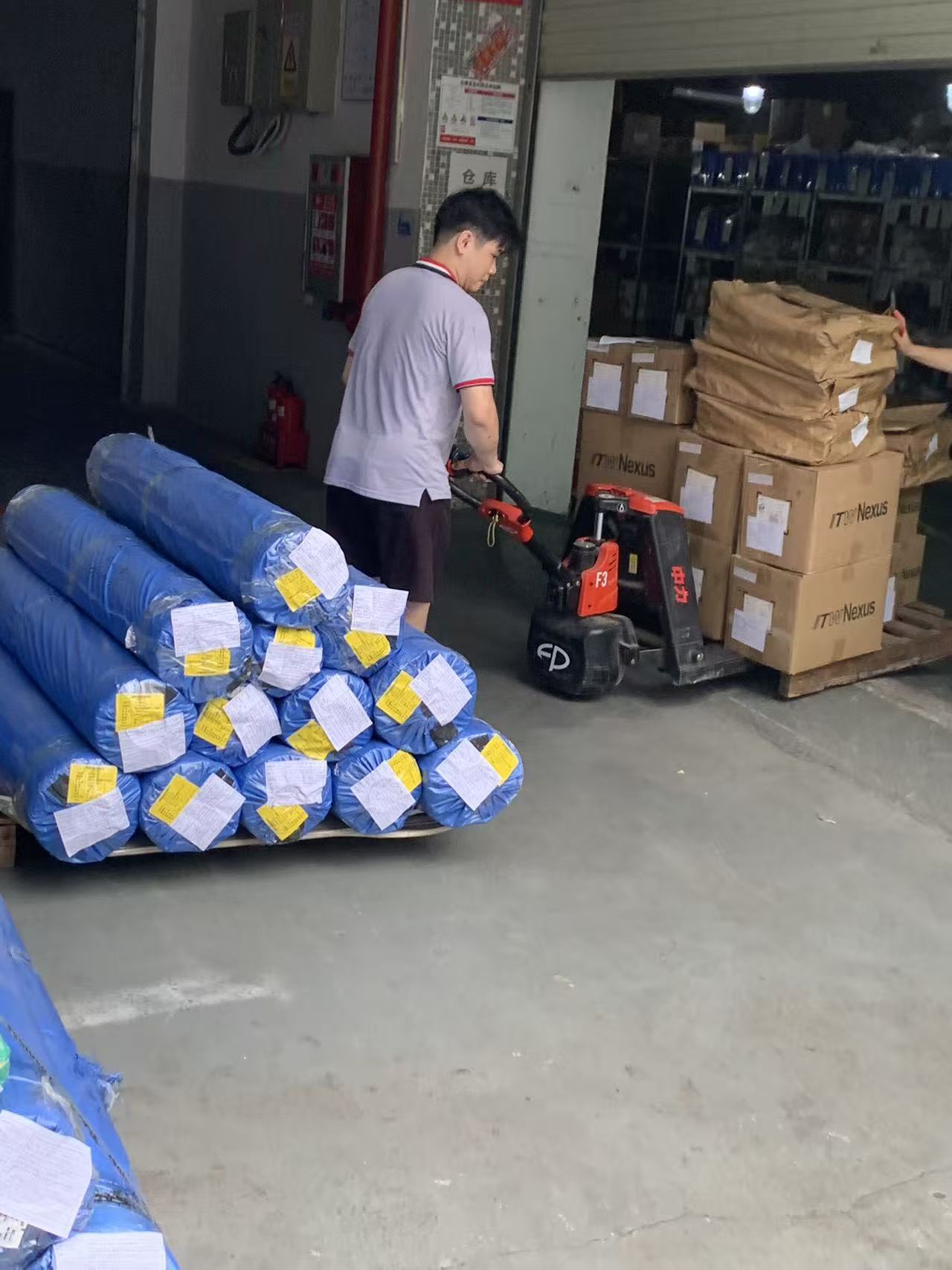
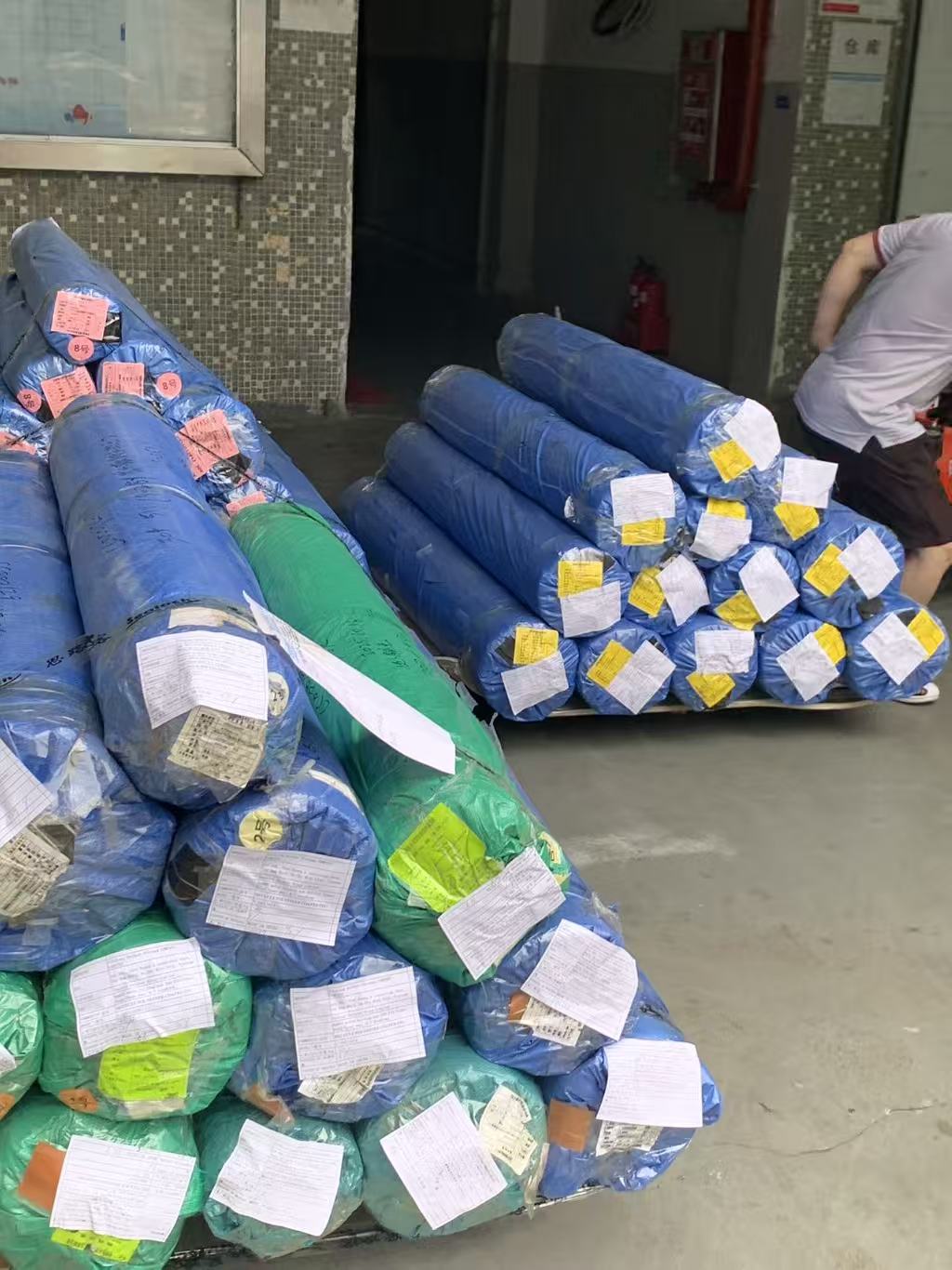
Once rolled, the lamination is highly susceptible to saltwater hydrolysis and workshop dust contamination. Every single roll is immediately vacuum-sealed in high-micron transparent stretch-wrap. Color-coded status tags—yellow, pink, and white—are fixed to the roll ends alongside barcode manifests tracking the core width, gross weight, and chemical resin lot number. This exact method prevents mixed-lot production errors and underpins the traceability matrix described in our guide to advanced OEM QA testing standards.
Phase 3: Cross-Border Logistics and Yang Ming Container Loading Sequence
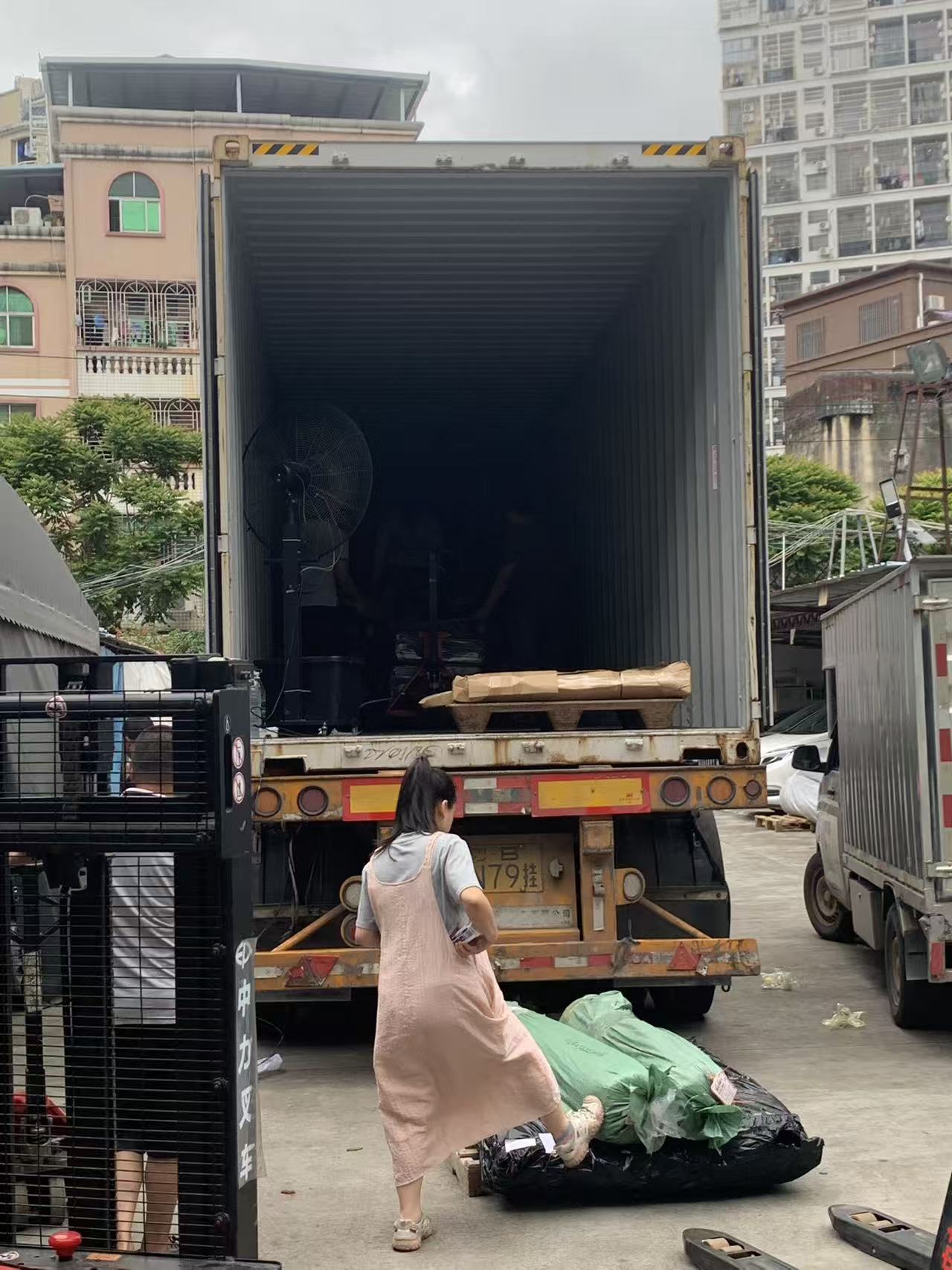
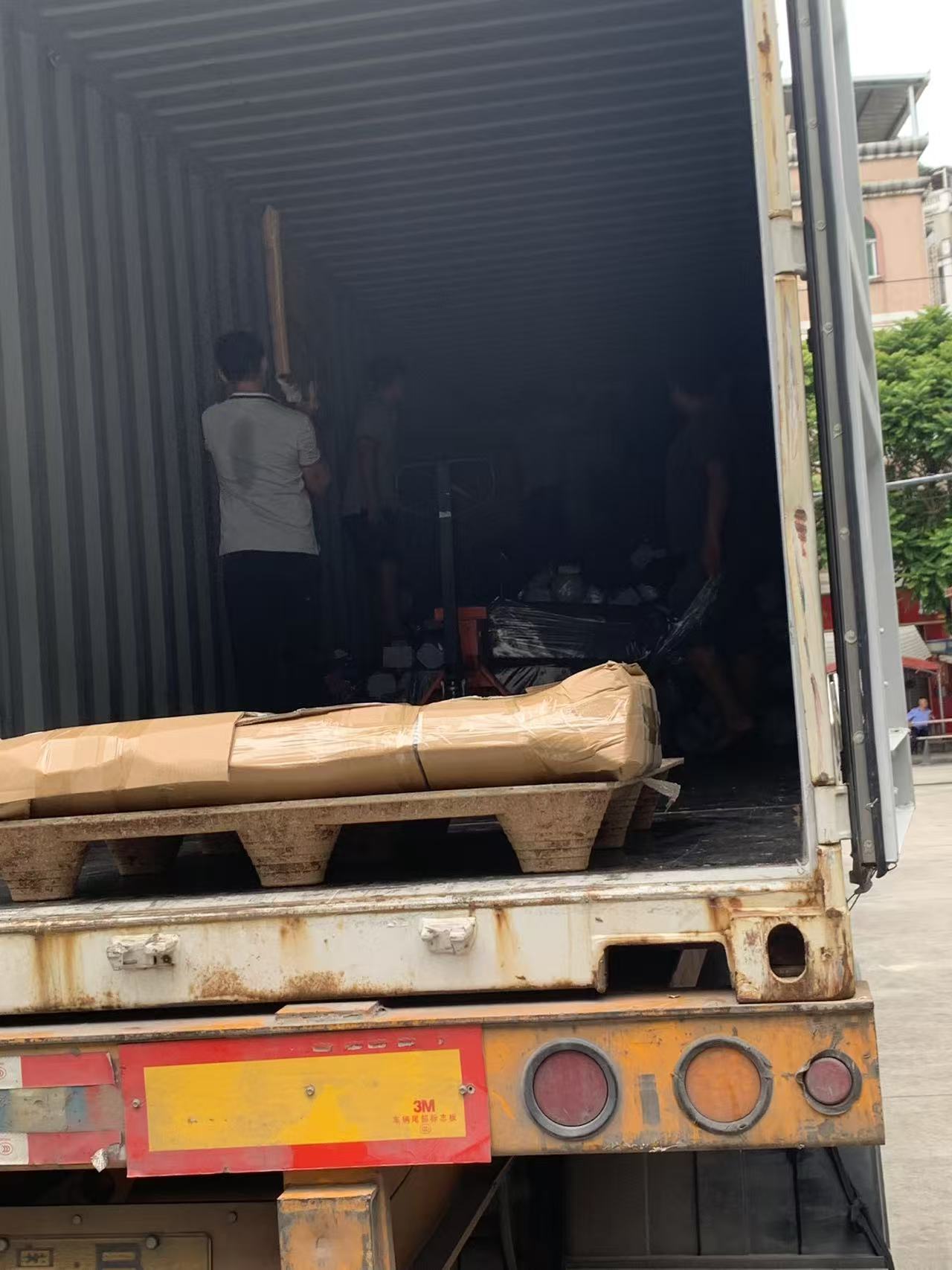
The transition between our primary R&D center in Dongguan, China, and our mass assembly facility in Ho Chi Minh City, Vietnam, relies on rigid logistical alignment. Material transfer is handled via heavy-duty ocean freight containers shipped directly from neighboring South China ports like Shenzhen (Yantian/Shekou) directly to the Viet Huong 2 Industrial Park in Vietnam.
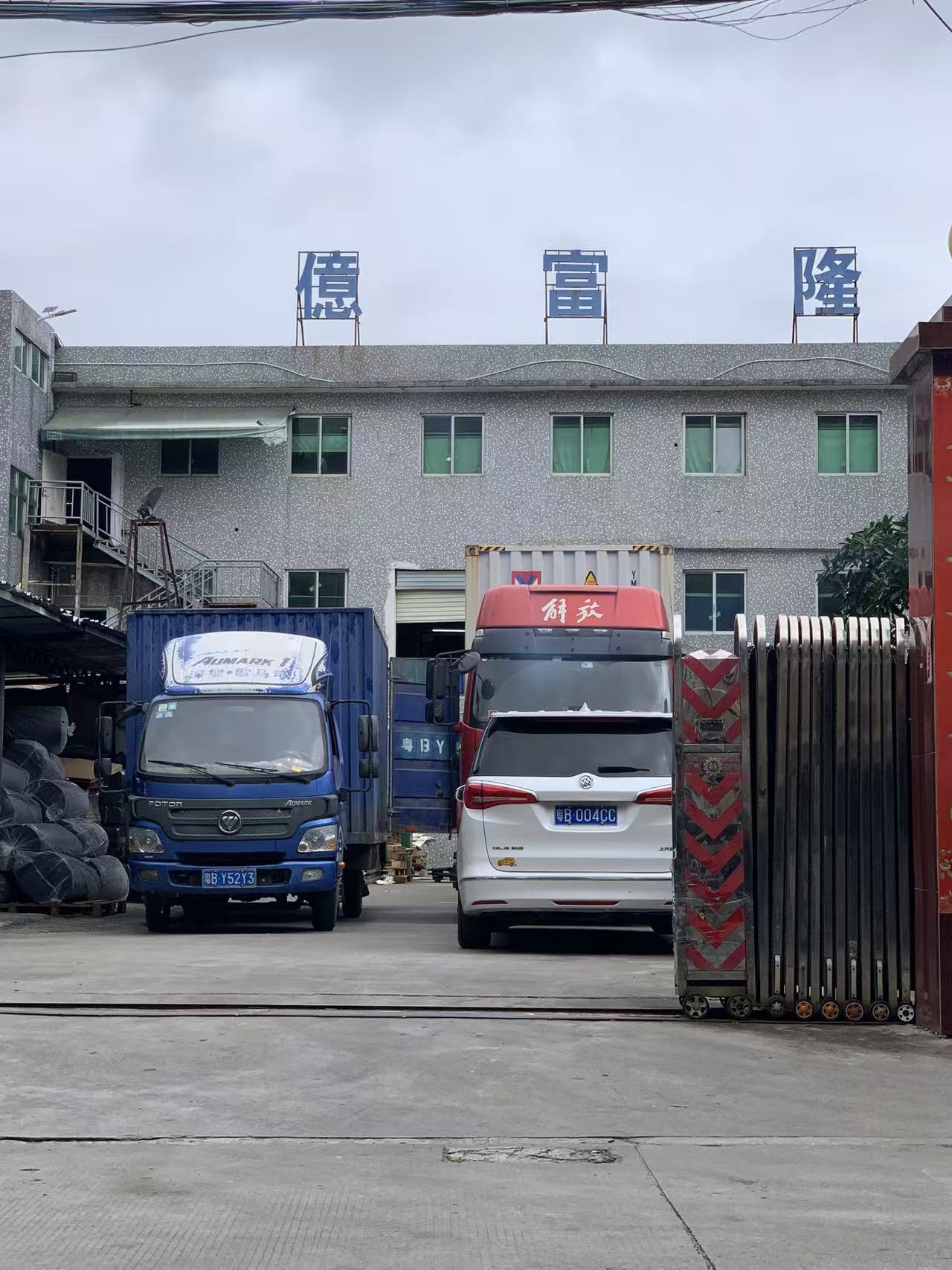
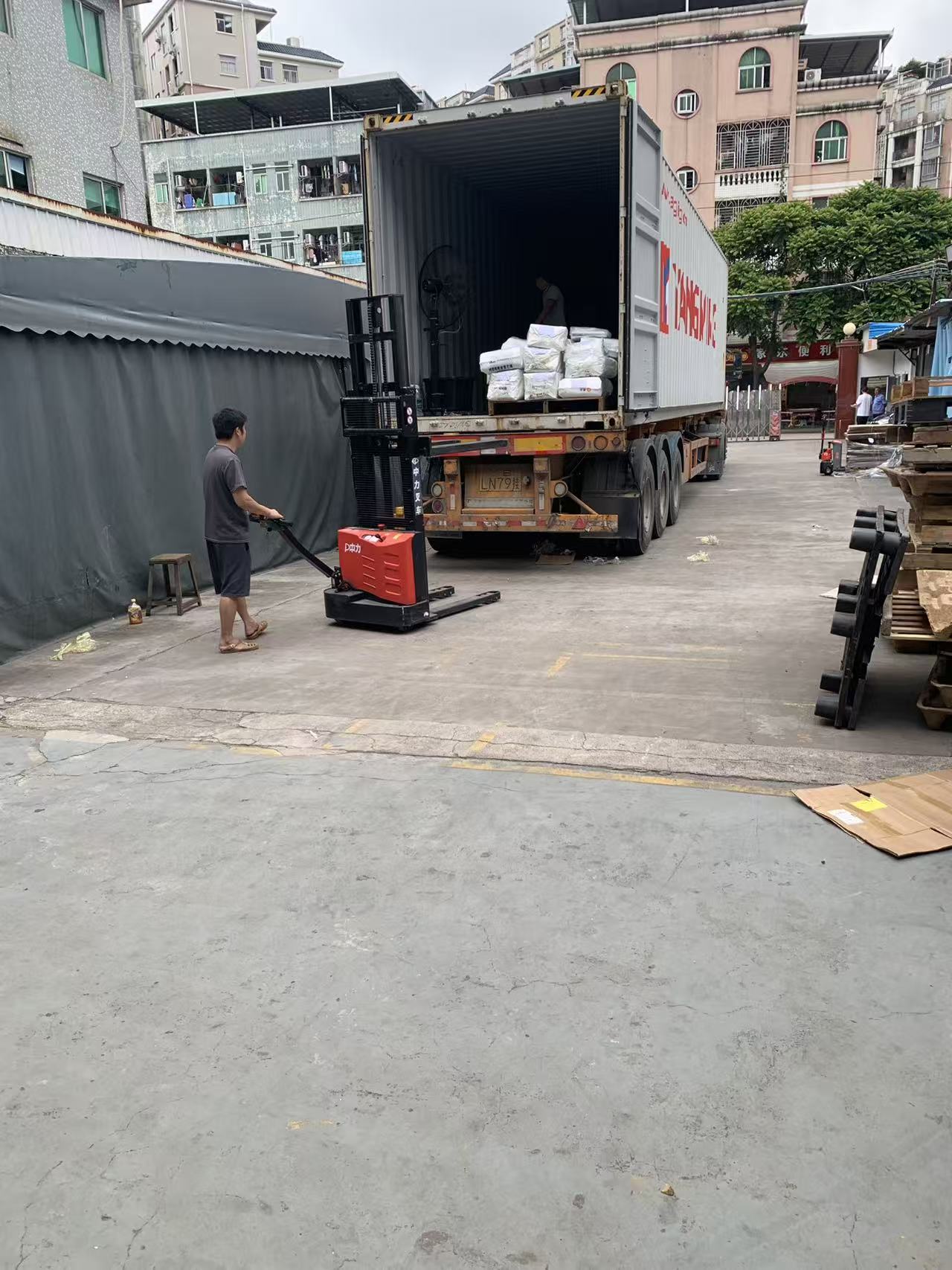
On the loading dock, ground operations utilize heavy-duty transport equipment, including lithium-powered EP Equipment F3 electric pallet trucks, to move metric-ton pallets into 40-foot high-cube Yang Ming container trailers. The packaging standard is standardized: all boxed components are stacked on non-fumigation export pallets, secured with high-tension strapping, and wrapped in complete waterproof film layers. This ensures that when the container breaks seal at our YiFuLong Outdoor Vietnam facility, the raw substrates and custom ABS components are in the exact same pristine, calibrated condition as they left our laboratory gates in China. This strict synchronization is the execution backbone of our China-Vietnam dual-base manufacturing strategy.
Senior Engineer’s Note on Shop Floor Reality: Sourcing managers often look at certificates. True contract manufacturing capability is found in the dirt of the loading bay and the precision of a shipping label. A factory that cannot instantly link a specific roll of TPU fabric to an outbound customs manifest is guessing on their inventory metrics. We lock the parameters in China; we scale the output in Vietnam; we track everything in between.
Frequently Asked Questions Regarding Cross-Border Logistics Control
How do you prevent material degradation during sea transit between your China and Vietnam facilities?
All laminated TPU fabrics are multi-layer wrapped in heavy-duty stretch film and securely palletized before container loading. This creates a hermetic moisture barrier protecting the polymer coatings from high salt spray and ambient humidity during the sea voyage, completely eliminating the risk of premature saltwater hydrolysis prior to final high-frequency welding assembly.
Why do you ship raw materials and component parts from China instead of sourcing locally in Vietnam?
Maintaining technical sovereignty means controlling the raw material synthesis. The advanced chemical compounding of TPU films, structural polymer tuning, and high-precision mold engineering occur at our R&D hub in China, where the industrial ecosystem is highly mature. Vietnam operates as our high-efficiency, tariff-free mass assembly and welding engine, executing parameter-locked instructions without local component variance.
What does the "ITW Nexus" and "SINOPEC" integration indicate about your supply chain?
We do not use generic, unbranded raw materials or hardware. Incorporating SINOPEC LLDPE ensures identical polymer density across fabric batches. Utilizing ITW Nexus components guarantees that all military-grade and tactical hardware meet international field-use specifications. This level of component sourcing eliminates downstream product field failures and controls total cost of ownership (TCO).
 English
  Español
  Português
  русский
  Français
  日本語
日本語  Deutsch
  tiếng Việt
  Italiano
  Nederlands
  ภาษาไทย
  Polski
  Svenska
  magyar
  Malay
Malay  বাংলা ভাষার
  Dansk
Dansk  Suomi
Suomi  हिन्दी
  Pilipino
  한국어
한국어  Türkçe
  Gaeilge
  العربية
  Indonesia
  Norsk
Norsk  تمل
تمل  český
český  ελληνικά
  український
  Javanese
  فارسی
فارسی  தமிழ்
தமிழ்  తెలుగు
  नेपाली
  Burmese
  български
  ລາວ
ລາວ  Latine
  Қазақша
  Euskal
  Azərbaycan
  Slovenský jazyk
  Македонски
  Lietuvos
  Eesti Keel
  Română
  Slovenski
  मराठी
मराठी  Srpski језик