Executive Summary
For supply chain executives sourcing high-performance waterproof gear, medical bladders, or tactical equipment, discovering a manufacturing defect after the container has left the Asian port is a catastrophic financial event. Unlike traditional cut-and-sew methods, Radio Frequency (RF) welding requires extreme precision in tooling, voltage, and thermodynamic control. When substandard factories attempt to scale production without strict Quality Assurance (QA) protocols, the result is field failures, compromised product integrity, and massive product recalls. This technical guide exposes the three most common—and fatal—RF welding defects, providing sourcing managers with the knowledge to audit potential OEM partners and eliminate supply chain risks.
Defect 1: The "Cold Weld" (Incomplete Molecular Fusion)
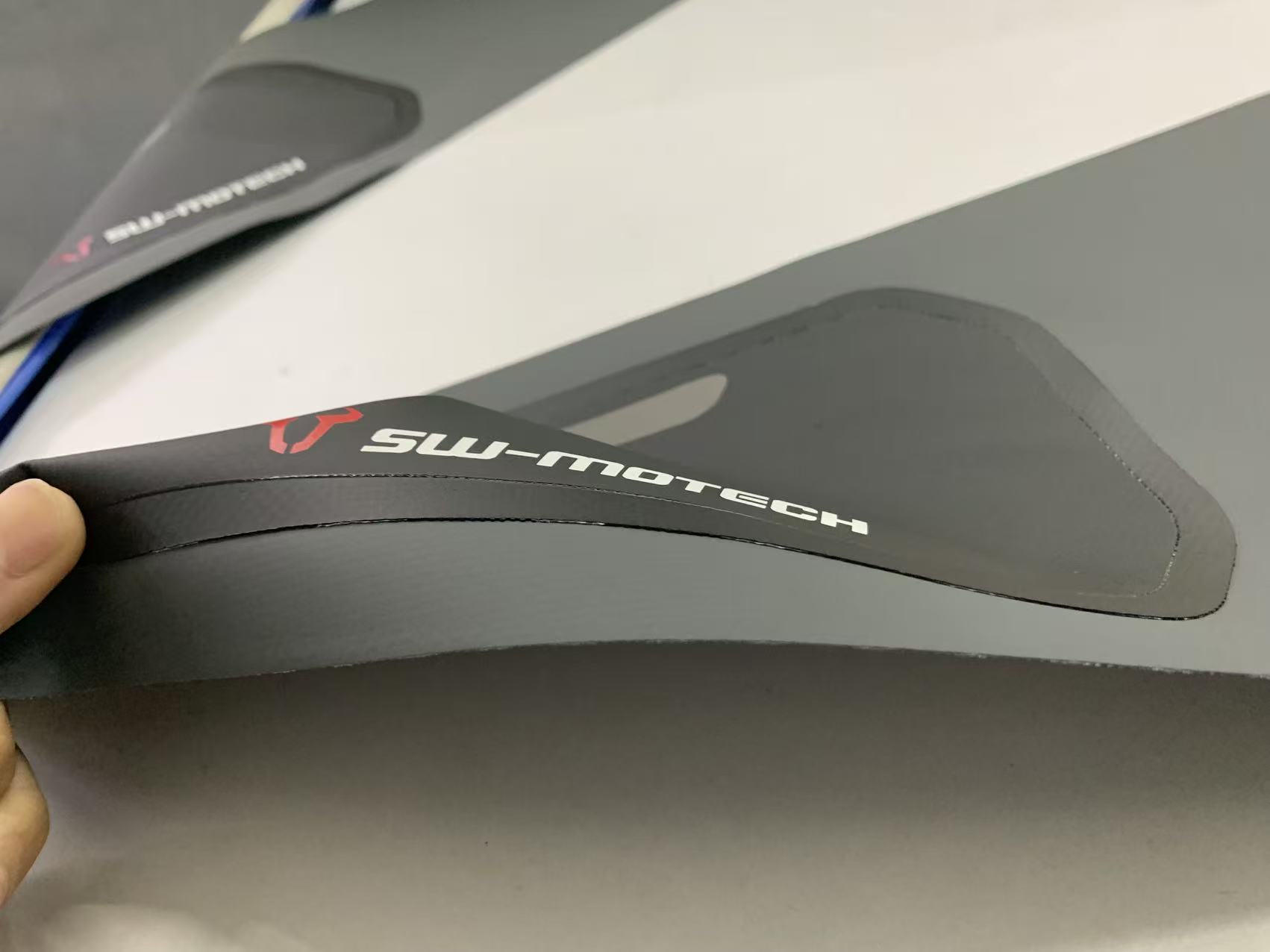
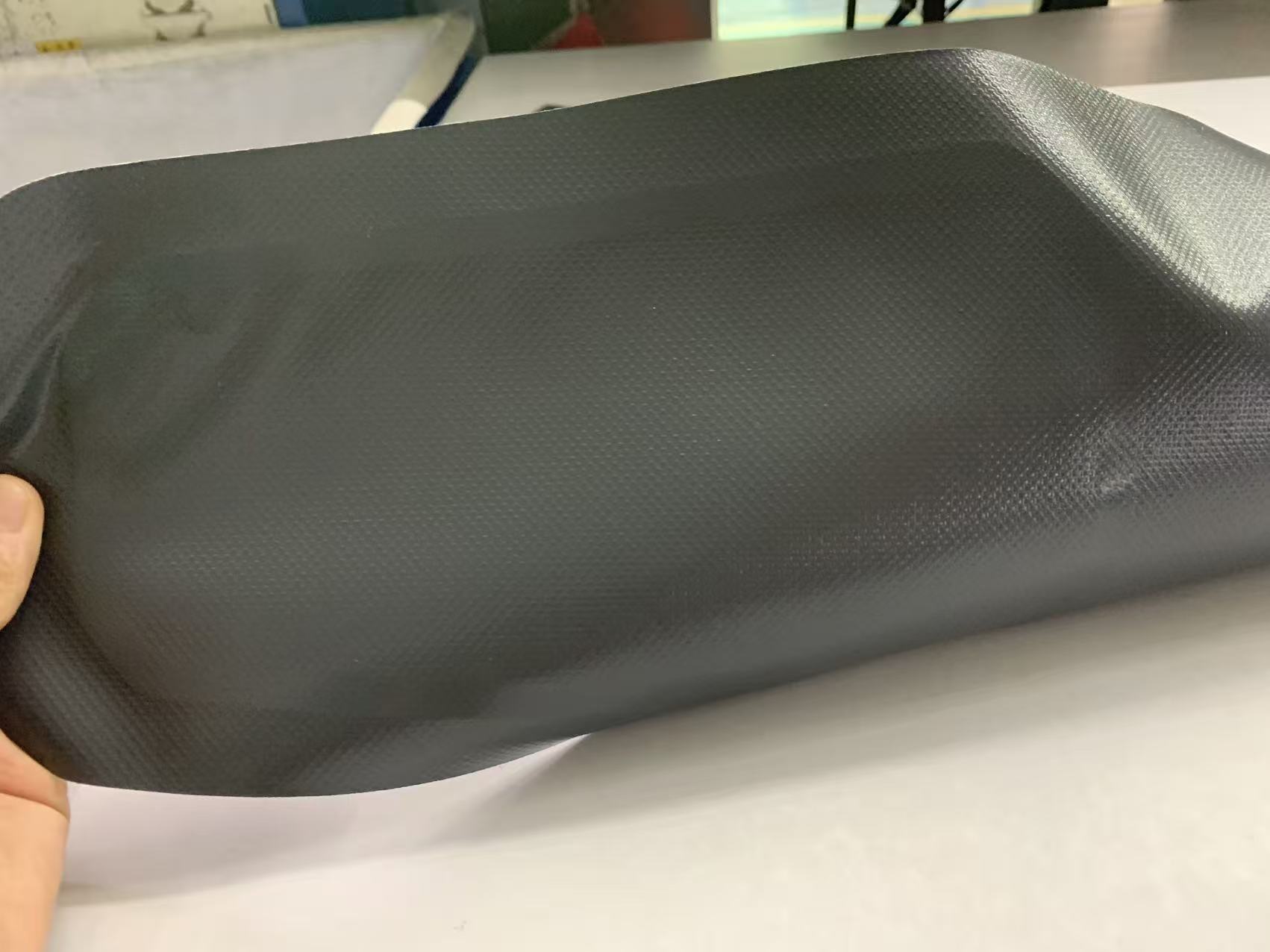
The Business Risk: A cold weld is the most deceptive and dangerous defect in RF manufacturing. The seam looks visually intact during a superficial factory inspection, but the polymers have not actually fused at the molecular level. Under operational stress or slight internal pressure, the seam simply peels apart.
Visual Identification & Causes:
-
The Look: The welded perimeter lacks the distinct, uniform "extrusion bead" (the slight squeeze-out of melted TPU along the edge). The material may look lightly pressed rather than melted.
-
The Engineering Failure: Cold welds occur when a factory prioritizes production speed over quality. The operator reduces the dwell time (the duration the RF energy is applied) or the machinery lacks the voltage consistency to penetrate thick materials like 840D TPU. It can also happen if the factory uses incompatible plasticizer blends.
-
The Audit Question: Ask the factory for their Peel Strength and Shear Strength test logs. A true RF weld cannot be peeled apart; the fabric itself must tear before the seam fails.
Defect 2: Thermal Degradation (Arcing and Burn-Through)
The Business Risk: If cold welding is under-processing, thermal degradation is severe over-processing. This defect completely destroys the waterproof membrane, leading to immediate leaks and structural failure. It is common in factories transitioning from cheap PVC to high-end TPU without updating their tooling parameters.
Visual Identification & Causes:
-
The Look: Scorched, discolored, or brittle edges along the seam. In extreme cases, you will see microscopic pinholes or dark brown spots where the material has carbonized.
-
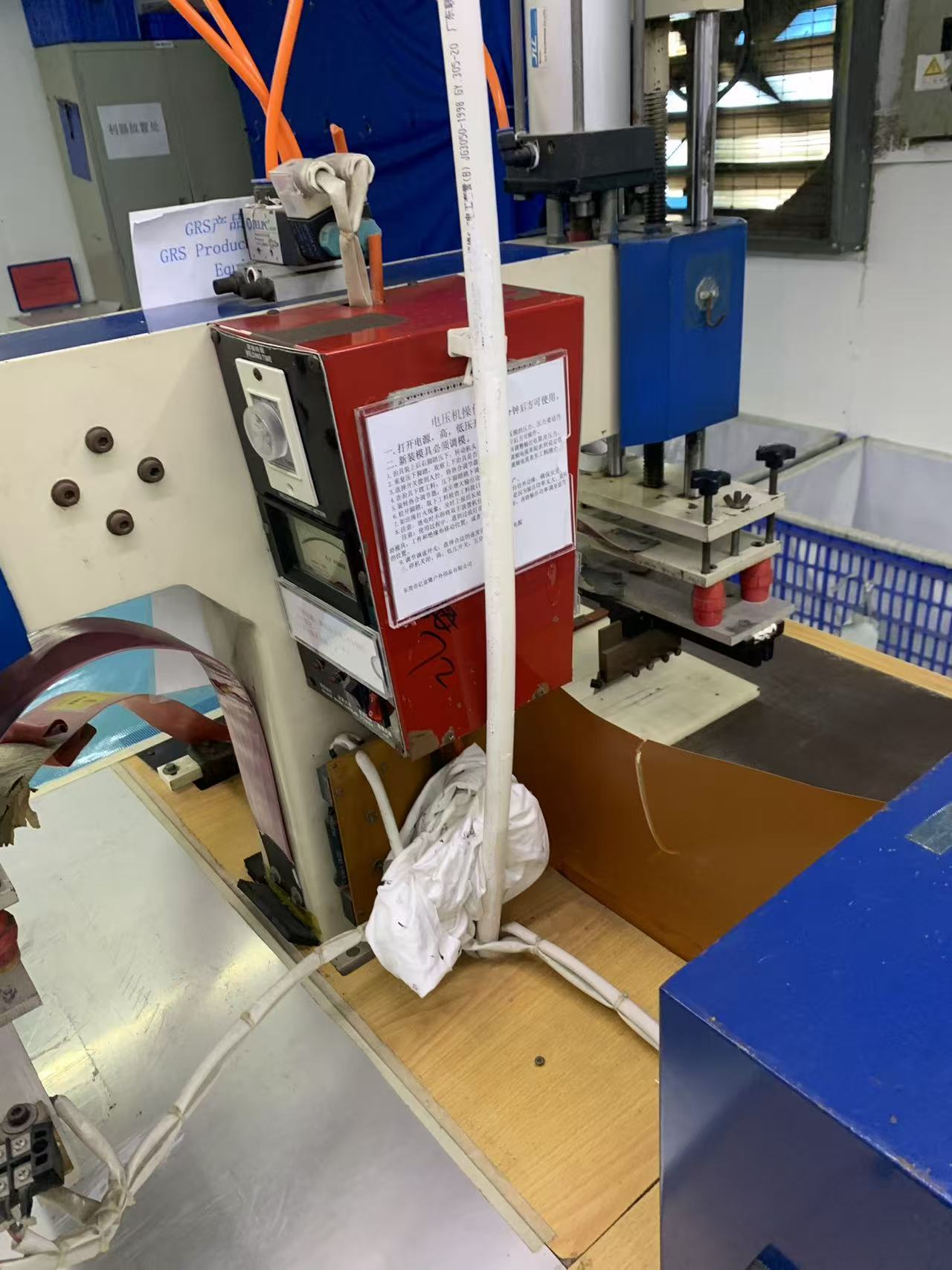
The Engineering Failure: This is often caused by "arcing"—a sudden electrical discharge caused by dirty brass dies, uneven material thickness, or applying excessive RF voltage. Substandard factories often neglect daily die maintenance and cleaning, leading to trapped debris that causes localized overheating.
-
The Audit Question: Observe the factory floor. Are the welding dies custom CNC-machined and meticulously clean, or are they oxidized and covered in residue? Ask about their preventative maintenance SOPs.
Defect 3: Asymmetrical Extrusion (Uneven Tooling Pressure)
The Business Risk: A waterproof bag might hold water during a stationary test, but asymmetrical seams create weak points that will inevitably blow out when the product is dropped, compressed, or exposed to extreme temperature fluctuations.
Visual Identification & Causes:
-
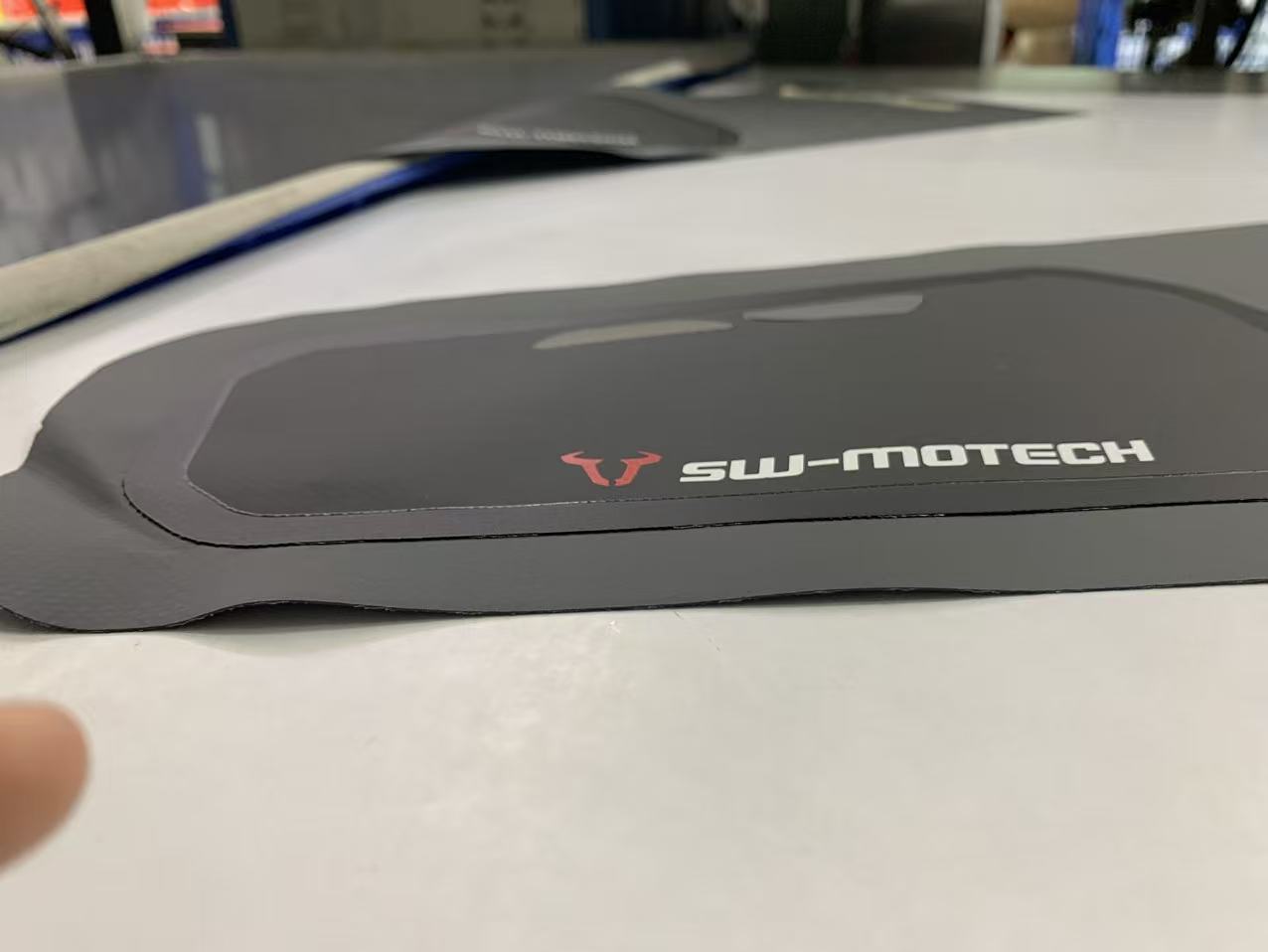
The Look: Examine the cross-section or edge of the weld. On one side, there is a large, messy glob of melted polymer (over-extrusion), while the other side is dangerously thin (under-extrusion).
-
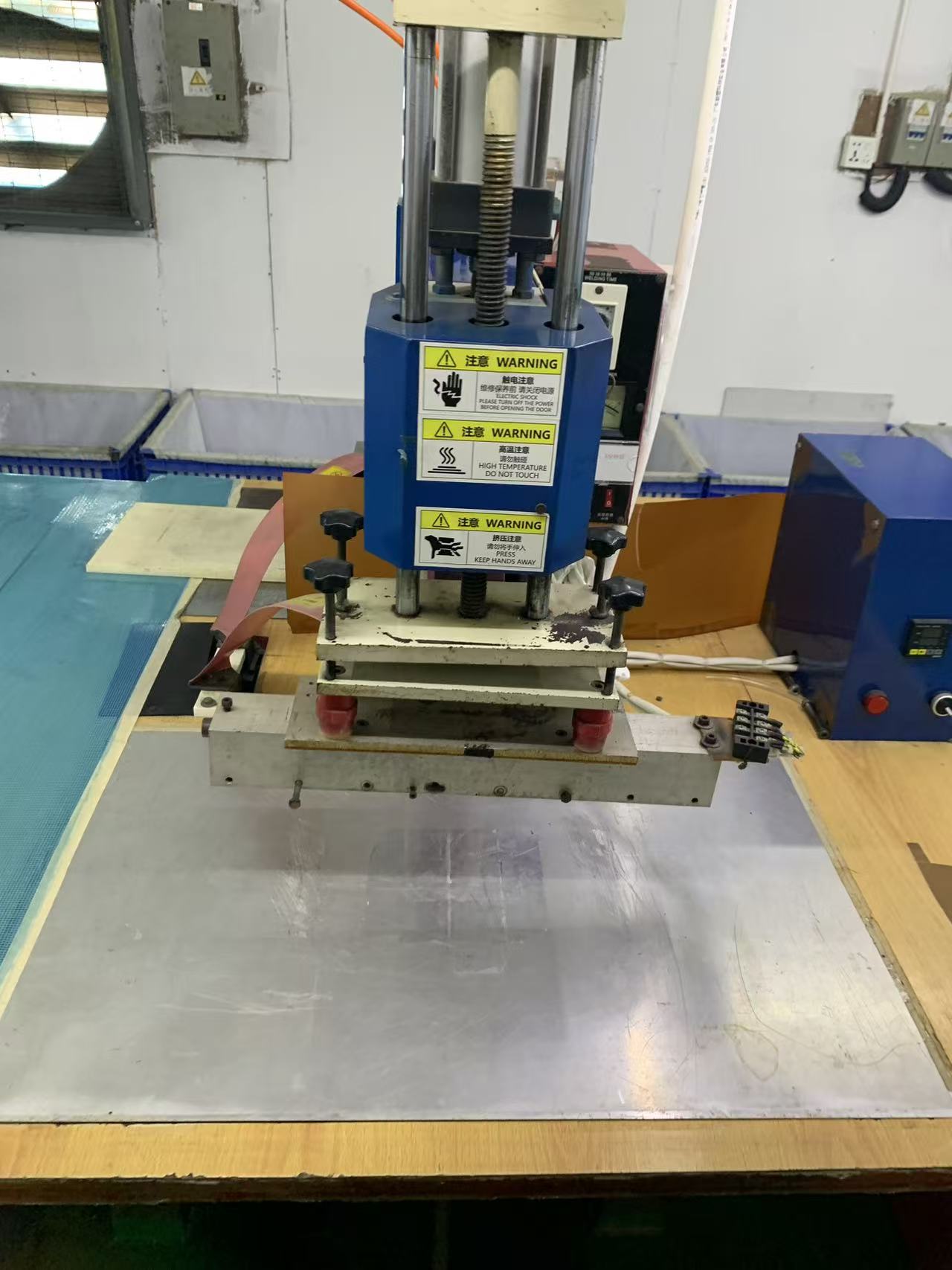
The Engineering Failure: RF welding requires perfectly leveled pneumatic presses. If the massive metal platen holding the die is out of alignment by even a fraction of a millimeter, it exerts unequal pressure across the seam. Cheap machinery lacks the structural rigidity to maintain perfect alignment during high-volume production.
-
The Audit Question: Does the OEM utilize advanced hydraulic or heavily stabilized pneumatic presses? Do they perform daily calibration checks on the platen leveling?
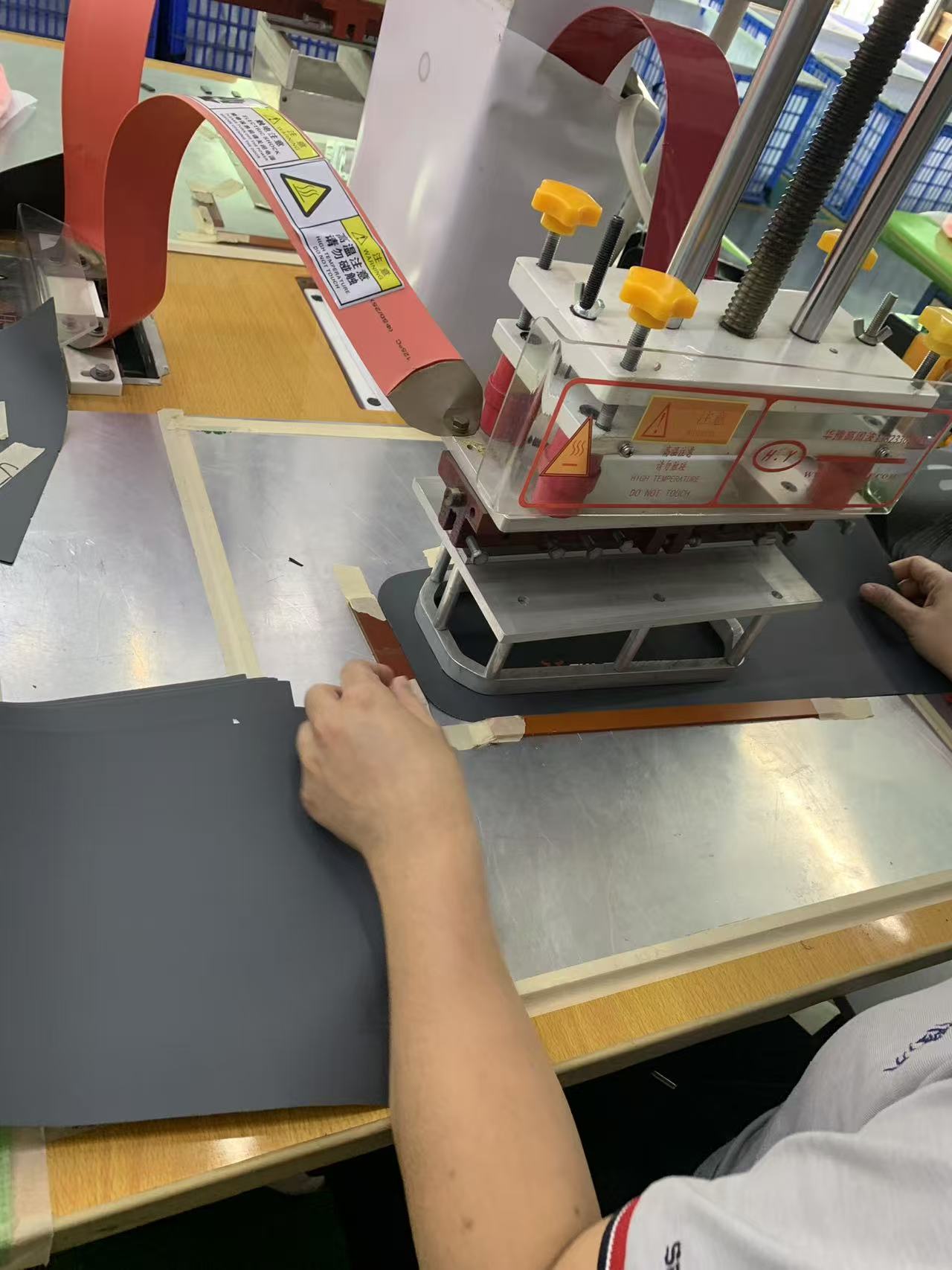
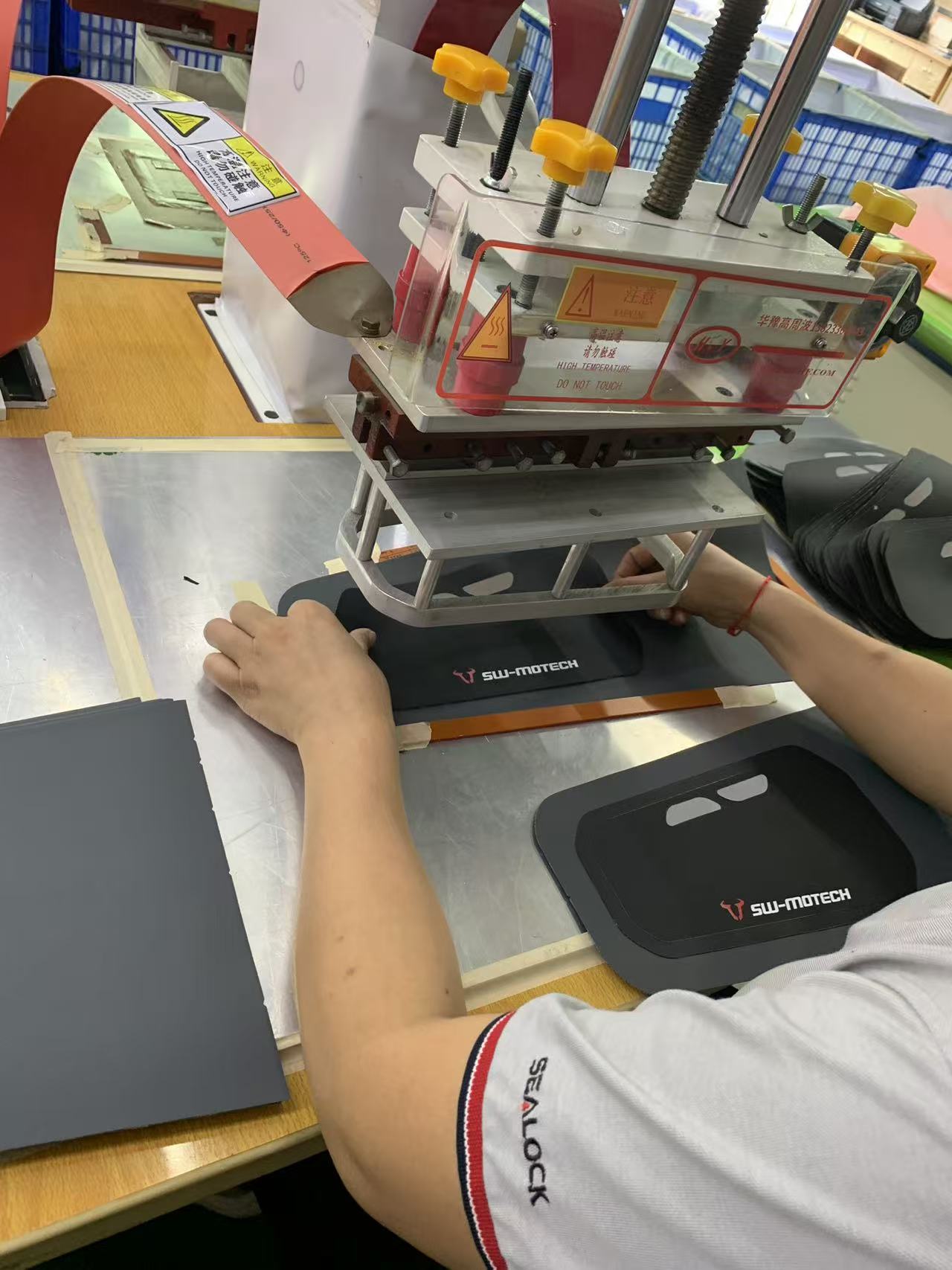
Conclusion: Partnering with a Zero-Defect OEM
Identifying RF welding defects is only the first step; preventing them requires partnering with an elite manufacturing facility. True Tier-1 OEM partners do not rely on end-of-line inspections to catch errors. They utilize real-time parameter monitoring, investing in custom CNC-machined brass tooling, and enforcing strict ISO-certified QA protocols.
When your brand's reputation and bottom line depend on 100% waterproof reliability, you cannot afford to subsidize a factory's learning curve. Audit strictly, demand transparency, and partner with experts in molecular fusion technology.
FAQ: Auditing RF Welding Quality
Q: How can I test if an RF welded seam is a "cold weld" during a factory visit?
A: The most reliable manual test is the destructive peel test. Cut a one-inch strip across the seam and use pliers to pull the two layers apart. In a perfect RF weld, the base fabric coating will rip off before the welded seam itself separates.
Q: Why does my current supplier's TPU material look burned around the seams?
A: This is likely due to thermal degradation or arcing. It happens when the factory uses dirty welding dies, applies too much RF power, or fails to properly tune the machine's frequency for the specific thickness of the TPU material.
Q: Does the quality of the brass die affect the final RF weld?
A: Absolutely. Cheap, poorly machined dies distribute heat and pressure unevenly, causing asymmetrical welds and weak points. Premium OEM factories invest in custom CNC-machined brass dies tailored to the specific geometry of your product to ensure flawless edge-to-edge fusion.
 English
  Español
  Português
  русский
  Français
  日本語
日本語  Deutsch
  tiếng Việt
  Italiano
  Nederlands
  ภาษาไทย
  Polski
  Svenska
  magyar
  Malay
Malay  বাংলা ভাষার
  Dansk
Dansk  Suomi
Suomi  हिन्दी
  Pilipino
  한국어
한국어  Türkçe
  Gaeilge
  العربية
  Indonesia
  Norsk
Norsk  تمل
تمل  český
český  ελληνικά
  український
  Javanese
  فارسی
فارسی  தமிழ்
தமிழ்  తెలుగు
  नेपाली
  Burmese
  български
  ລາວ
ລາວ  Latine
  Қазақша
  Euskal
  Azərbaycan
  Slovenský jazyk
  Македонски
  Lietuvos
  Eesti Keel
  Română
  Slovenski
  मराठी
मराठी  Srpski језик