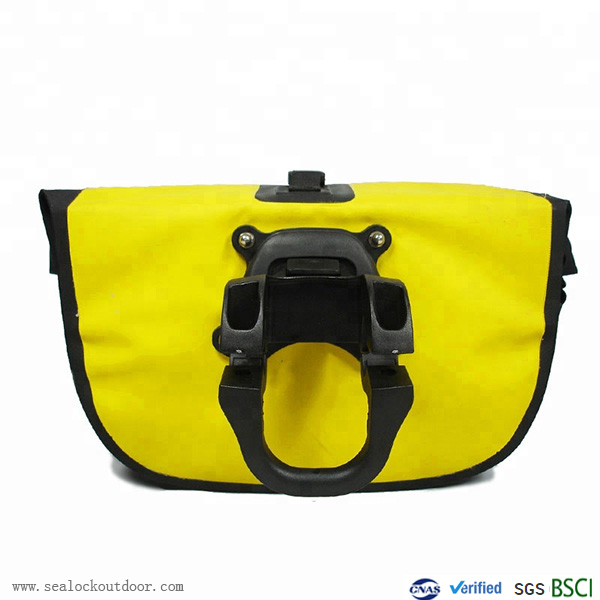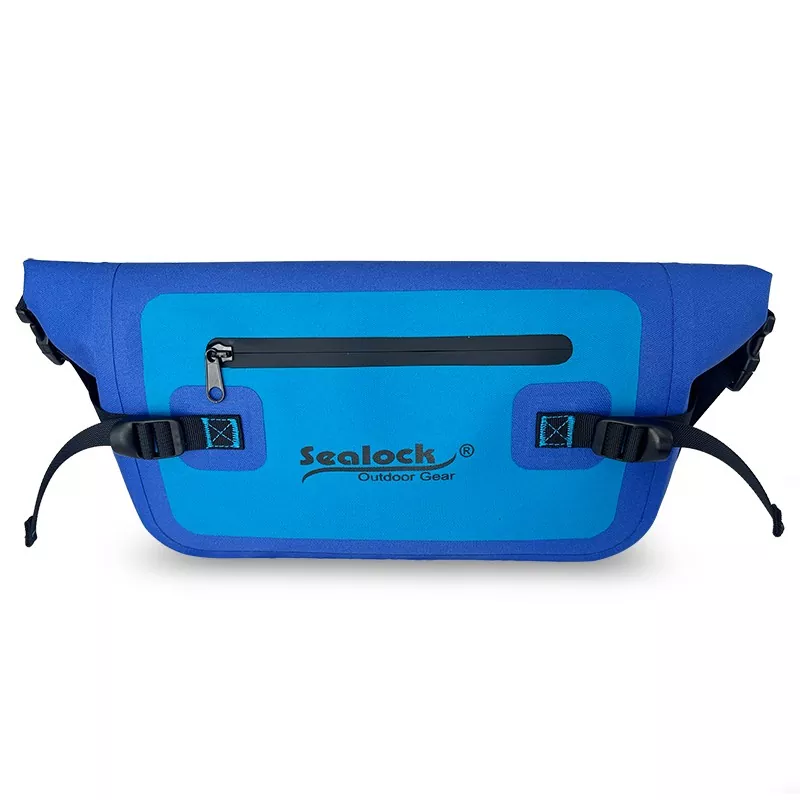

Welded Strap Ports
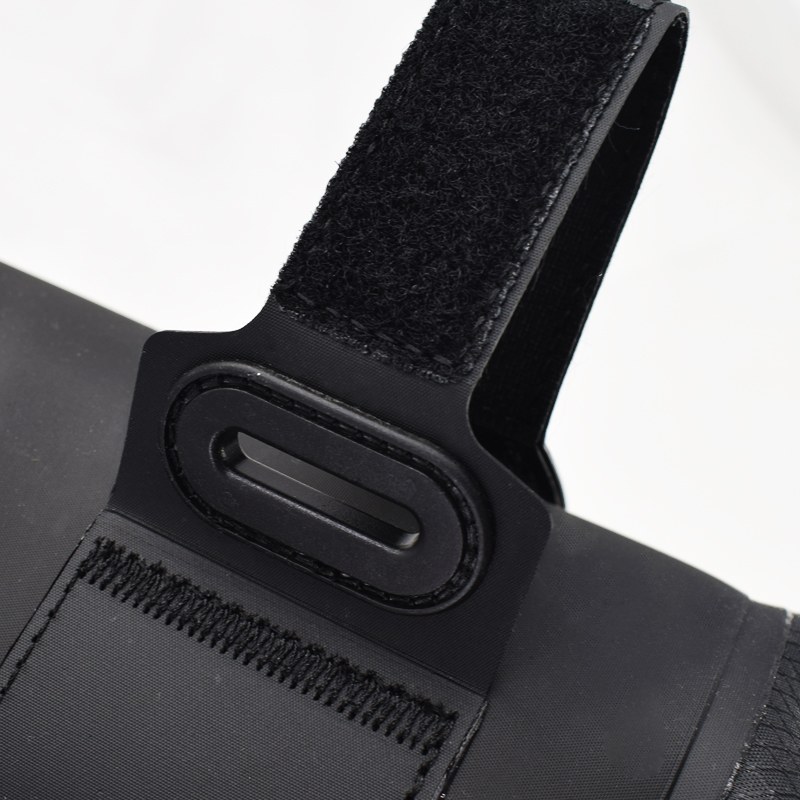
Moulded and welded into the shell so the mounting load path never penetrates the waterproof body.
 English
  Español
  Português
  русский
  Français
  日本語
日本語  Deutsch
  tiếng Việt
  Italiano
  Nederlands
  ภาษาไทย
  Polski
  Svenska
  magyar
  Malay
Malay  বাংলা ভাষার
  Dansk
Dansk  Suomi
Suomi  हिन्दी
  Pilipino
  한국어
한국어  Türkçe
  Gaeilge
  العربية
  Indonesia
  Norsk
Norsk  تمل
تمل  český
český  ελληνικά
  український
  Javanese
  فارسی
فارسی  தமிழ்
தமிழ்  తెలుగు
  नेपाली
  Burmese
  български
  ລາວ
ລາວ  Latine
  Қазақша
  Euskal
  Azərbaycan
  Slovenský jazyk
  Македонски
  Lietuvos
  Eesti Keel
  Română
  Slovenski
  मराठी
मराठी  Srpski језик
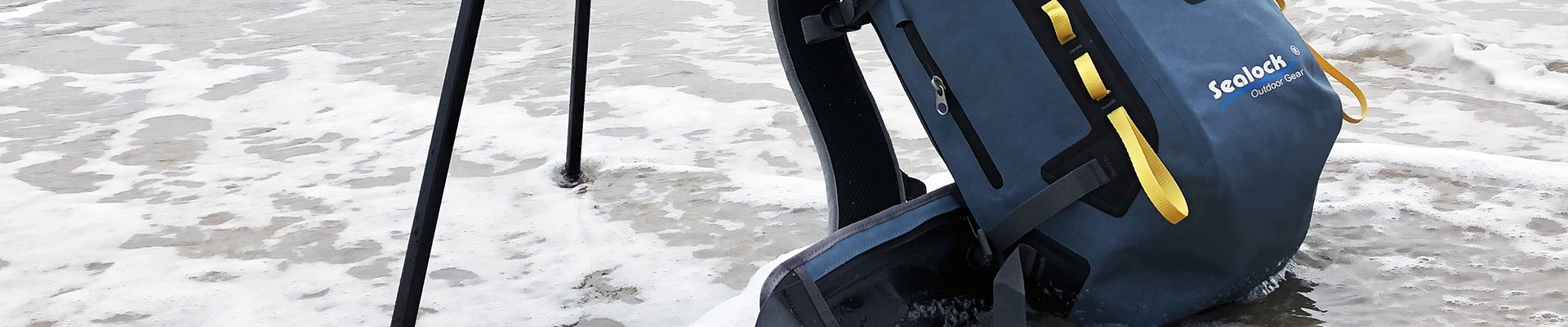
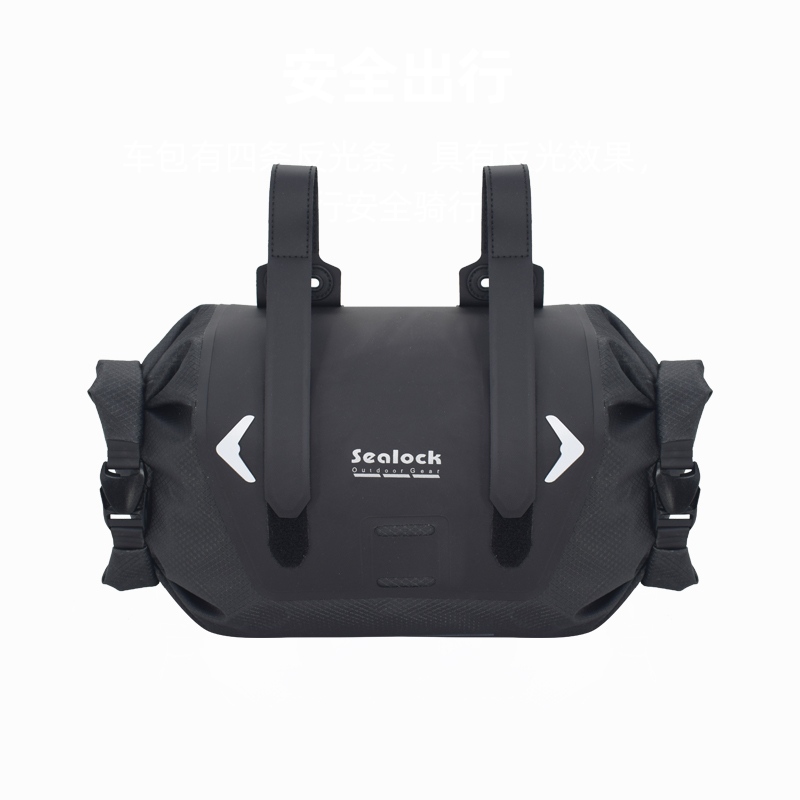
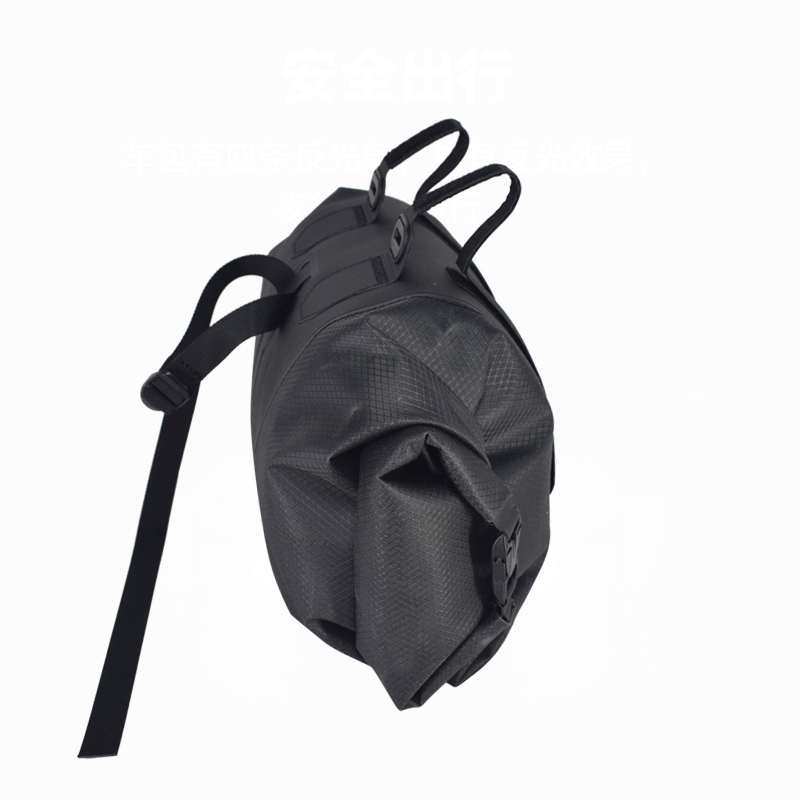
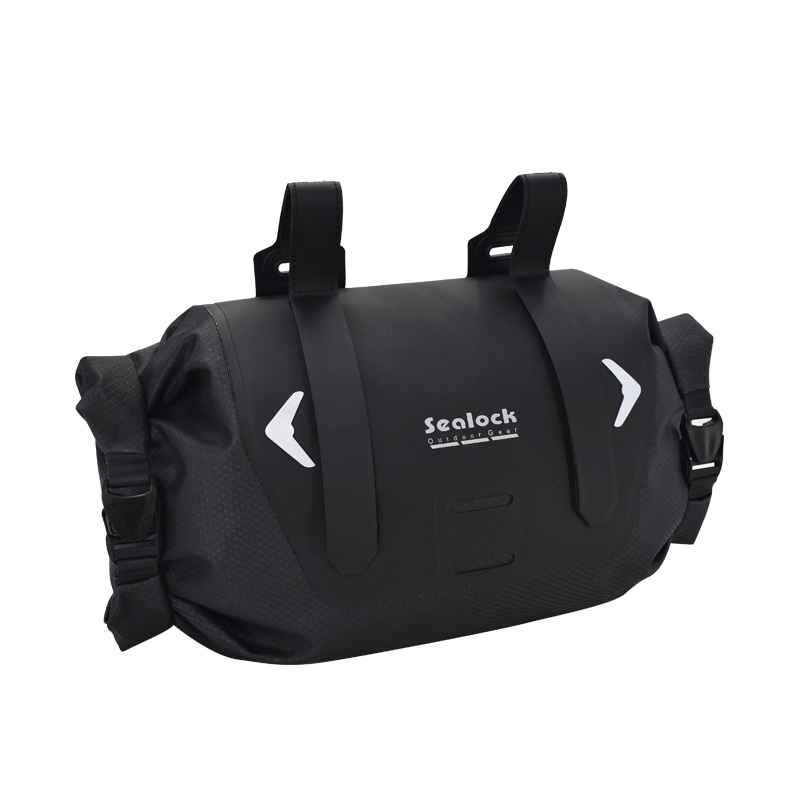
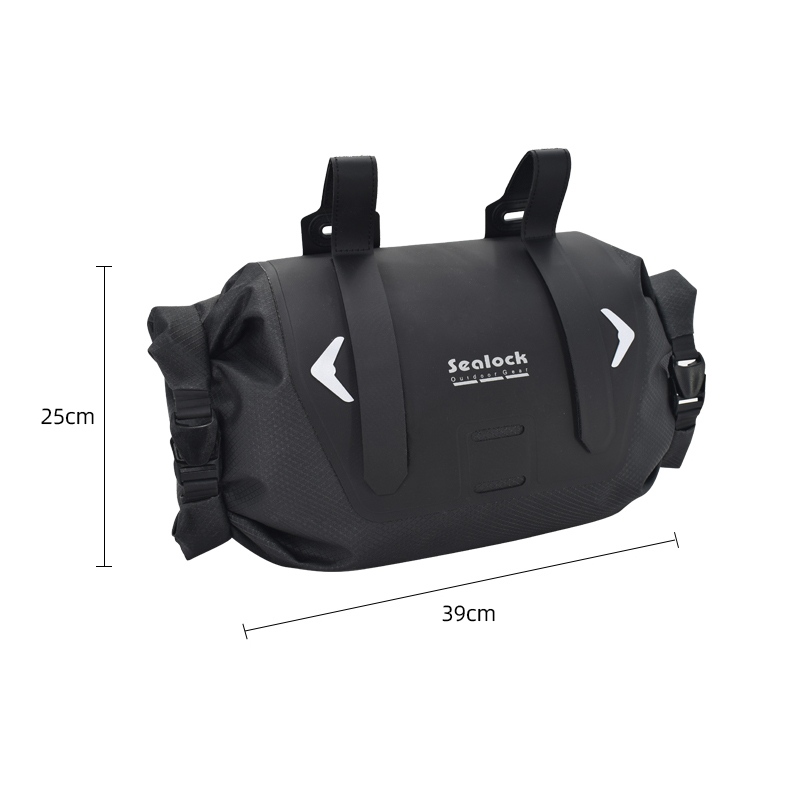
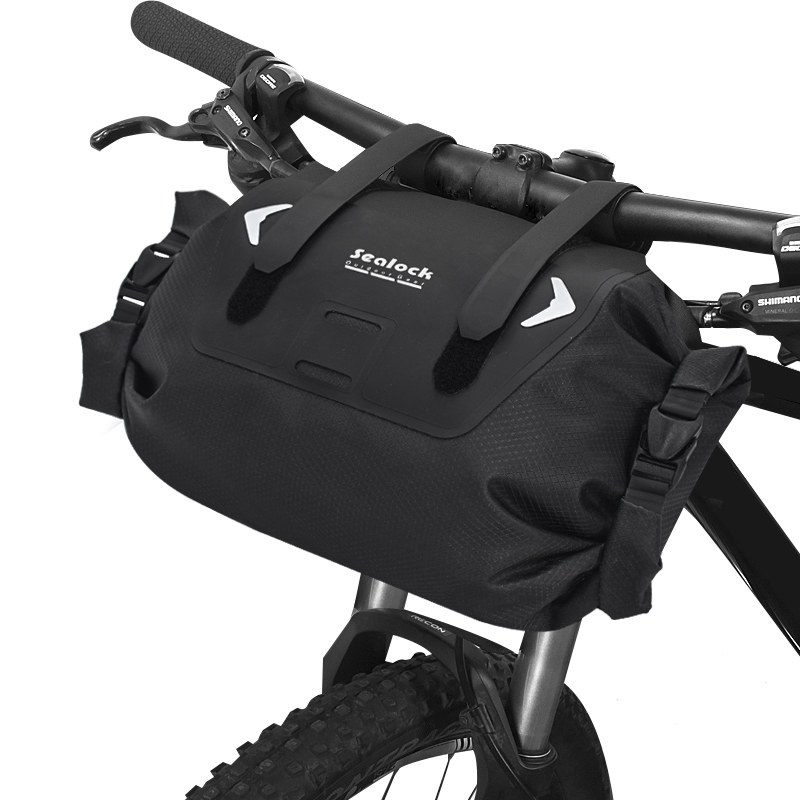
Special shape and upgraded straps Our Sealock Bike Handlebar Bag Waterproof Bicycle Front Bag For Mountain Road adopts a unique double-sided folding design, which is both beautiful and practical. The internal PU pad has strong impact resistance and can protect items such as phones and wallets in case of accidental drops. The upgraded straps are much better than before. They are designed to address deflection issues and maintain the position of the bag during cycling.
Every position on a bicycle carries weight differently, and the handlebars are the least forgiving of them. Load there sits forward of the steering axis and turns with the bars, which means it adds inertia to every steering input the rider makes. A bag that is heavy, loose, or free to shift makes the front end feel vague on descents and slow to correct in a crosswind.
None of that is a reason to avoid handlebar bags — the position is too useful, because it puts things where a rider can reach them without stopping. It is a reason that a handlebar bag has to be engineered around stability rather than capacity. Three features on this bag exist for that reason alone, and they are worth understanding before comparing it against a cheaper bag that has none of them.
A sealed roll-top bag traps air. On a dry bag lashed to a raft that is a feature, because it makes the bag float. On a handlebar bag it is a problem: a part-filled bag stays balloon-shaped, the contents move around inside the space they do not fill, and every bump translates into a load shifting against the bars.
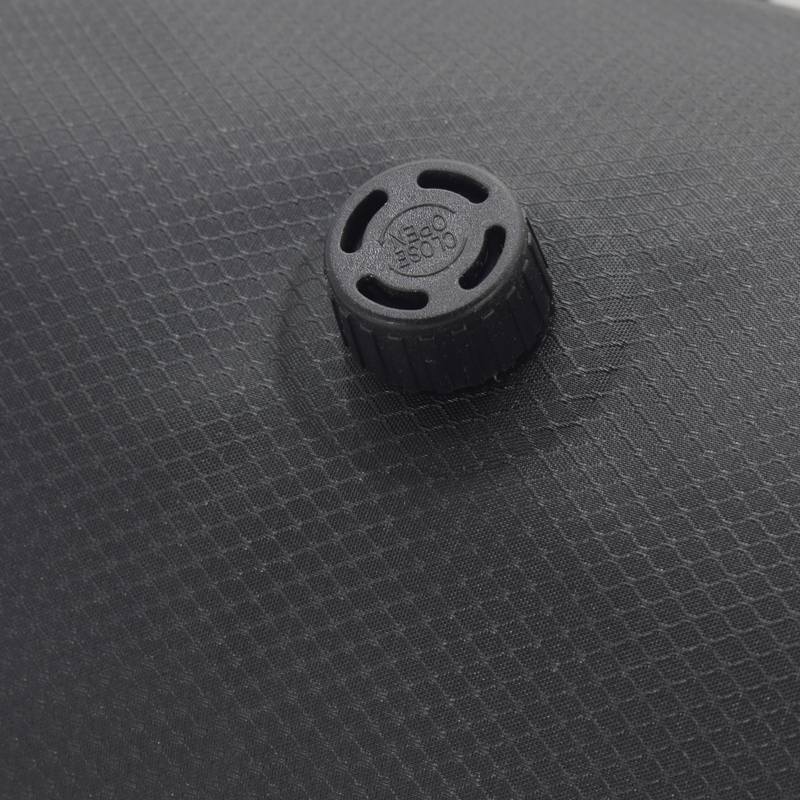
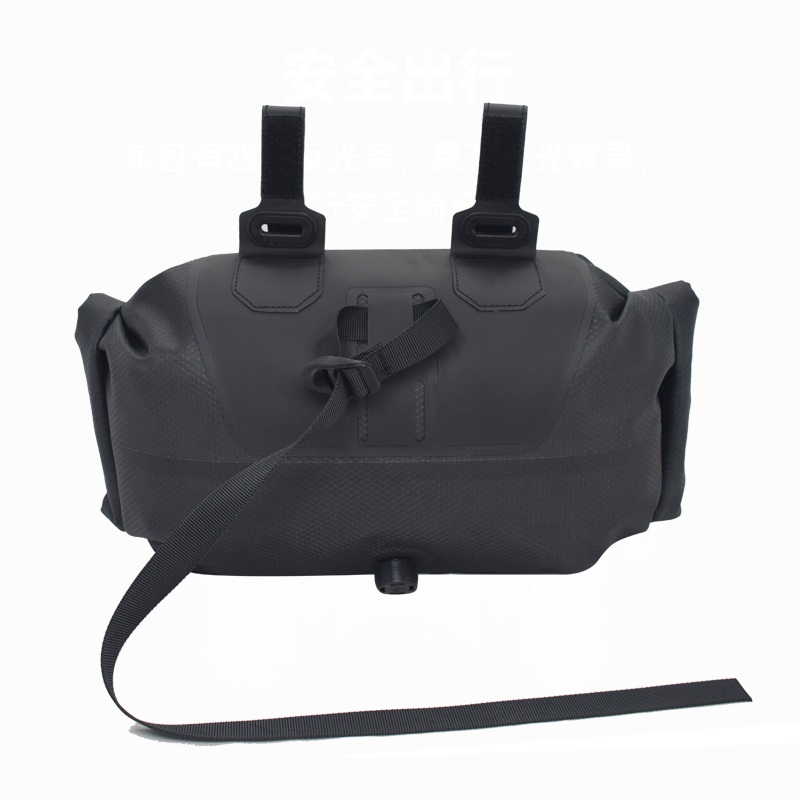
The threaded valve on the body lets that air out after the roll-tops are closed. Open it, press the bag down, close it, and the shell draws tight around whatever is inside. The bag stops being a balloon with things in it and becomes a solid mass that moves with the bike instead of against it.
It also makes the bag smaller when it is not full, which matters for cable and brake-line clearance on a bike with limited room behind the bars. A half-loaded bag that has been purged sits noticeably closer to the bars than one that has not.
The valve threads closed against a gasket. It should be shut before riding in rain — it is a sealed port when closed, and an open hole when open.
The bag closes by rolling at each end rather than through a top opening. Two things follow from that.
The first is access. Either end can be opened independently, from whichever side the rider happens to be standing on, without unclipping the bag or dismounting. Packed with intent — food at one end, a shell layer at the other — this makes the bag usable mid-ride rather than only at stops.
The second is volume. Rolling further reduces the bag; rolling less expands it. A handlebar bag that holds its full 7 litres of shape whether or not it is full is a handlebar bag that gets in the way of the rider's hands and knees on a long climb. Roll it down to what you are actually carrying and the problem disappears.
Three full turns is the minimum for a weatherproof seal at each end. Fewer than that produces a closure that looks shut and passes water at the corners in sustained rain.
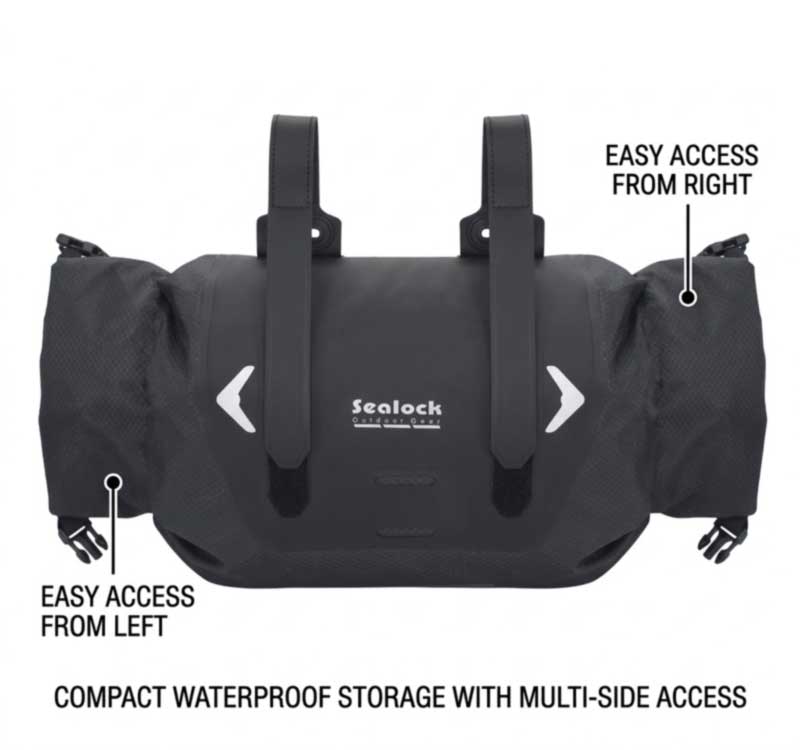
Two hook-and-loop straps pass around the bar and through welded ports on the bag body. The ports are moulded and welded rather than punched and stitched, so the load path does not create a hole through the waterproof shell — which is where handlebar bags of this type most often start leaking.
A separate retention buckle secures the bag independently of the hook-and-loop. This is the component most riders never think about until the day it matters: hook-and-loop loses grip when it fills with road grit, and a strap that has been cinched and released a few hundred times holds less than it did new. The buckle does not care about either. On rough ground it is what stops a slipping strap becoming a bag in the front wheel.
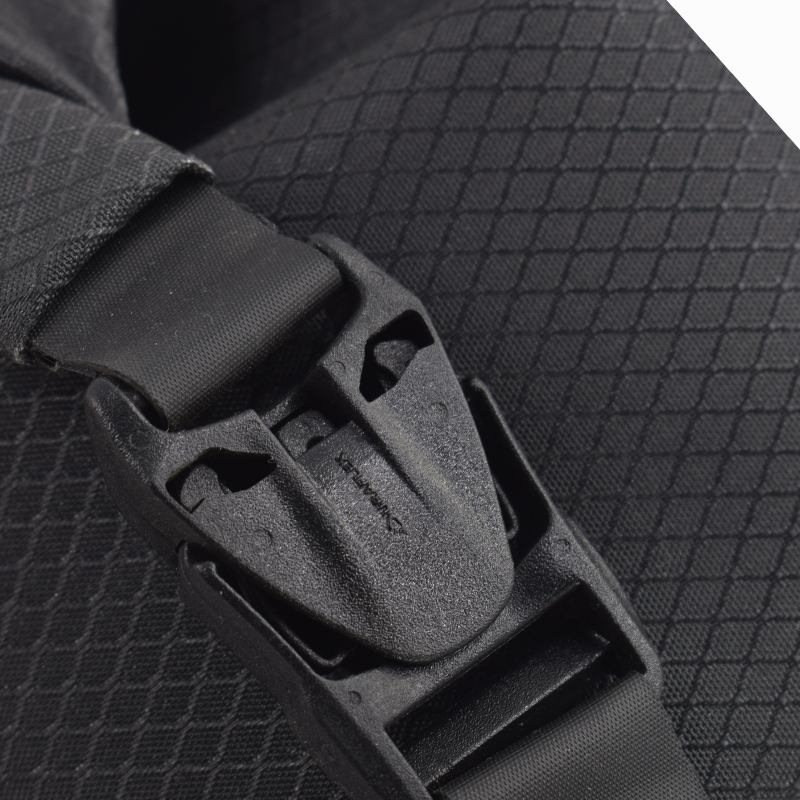
Side compression straps then pull the body inward from both ends, which stops a part-filled bag from sagging forward into brake cables or downward toward the tyre.
Moulded and welded into the shell so the mounting load path never penetrates the waterproof body.
Independent of the hook-and-loop, so a strap contaminated with road grit is not the only thing holding the bag.
Pull the body in from both ends and stop a part-filled bag sagging into cables or toward the tyre.
The mounting geometry holds the bag off the bar face, leaving room for cables, brake lines, and computer mounts.
Fits drop, flat, and riser bars. On narrow drop bars, check clearance against the brake hoods before committing to a fleet order.
Off the bike in seconds when the bike is left locked — the bag comes with you rather than staying as a target.
The bag carries four reflective elements: two forward-facing chevrons on the front face and a strip on each end.
Position matters more than area here. A handlebar bag is the most forward object on a bicycle and it sits at roughly the height a car's headlights sweep. Reflective material there is seen earlier by an oncoming vehicle than the same material on a seat pack or a rider's back, and the end strips add a side profile at junctions — which is where the majority of urban cycling collisions happen.
This supplements lights; it does not replace them. Retroreflective material only returns light that is shone at it, so it does nothing against a vehicle without headlights on, and nothing from an angle no light reaches. Front and rear lights remain a legal requirement in most markets and a practical one in all of them.
The shell is TPU laminate, high-frequency welded throughout. There are no needle holes in the waterproof body, so there is no seam tape to lift after a winter of road salt and no stitch line to wick water into the bag.
TPU rather than PVC is a deliberate choice for a bike product. It stays flexible in cold — a bag that stiffens at 2°C is a bag whose roll-top is hard to close with cold hands on a January commute — and it carries no plasticiser that migrates out over the years, which is what eventually makes PVC brittle at the fold line. On a bag whose closure is creased twice every single ride, fold tolerance is the property that determines service life.
The rating is IPX6: rain, road spray, and a hose-down. It is not submersion rated, and we would rather state that than imply otherwise. A roll-top with a valve port and hook-and-loop mounting is not a sealed vessel, and a bag advertised as fully waterproof that fails when someone tests it in a sink produces exactly the reviews nobody wants. For sustained submersion, a roll-top dry bag with no external ports is the correct architecture — see our Waterproof Tube Dry Bag.
| Model No. | SL-K060B |
|---|---|
| Product Type | Roll Top Bicycle Handlebar Bag |
| Capacity | 7 L |
| Dimensions | 39 × 25 cm |
| Shell Construction | RF (High-Frequency) Welded |
| Closure | Roll Top, Both Ends |
| Air Management | Threaded Air Purge Valve with Gasket |
| Compression | Side Straps with Buckles, Both Ends |
| Mounting | Two Hook-and-Loop Bar Straps through Welded Ports |
| Secondary Retention | Independent Buckle |
| Reflective Elements | Four — two front chevrons, one each end |
| Water Protection | IPX6 — rain, spray, road wash; not submersion rated |
| Bar Compatibility | Drop, Flat, and Riser Bars |
| Main Body | TPU Laminated Waterproof Fabric, Ripstop Weave |
|---|---|
| Closure Band | Reinforced Roll Section, Both Ends |
| Valve | Threaded Cap with Gasket, Welded Mounting |
| Bar Straps | Hook-and-Loop Webbing, Reinforced |
| Hardware | Side-Release Buckles and Ladder Adjusters |
| Reflective | Retroreflective Film, Welded |
| Colourways | Black / Grey |
| Country of Origin | Guangdong, China |
| Water Protection | Rain, road spray, and hose-down with both roll-tops closed three turns and the valve shut |
|---|---|
| Not Suitable For | Submersion or sustained immersion |
| Access | Either end opens independently without removing the bag |
| Volume Adjustment | Roll further to reduce; the valve draws the shell onto the load |
| Load Stability | Purge valve plus side compression holds contents against the bars rather than shifting |
| Night Visibility | Four retroreflective elements, front and both sides; supplements lights, does not replace them |
| Fitting Time | Under a minute, tool-free, no permanent hardware on the bike |
| Cold Weather | TPU stays flexible in low temperature; roll-top closes with cold hands |
| OEM / ODM | Supported |
|---|---|
| MOQ | 300 pcs |
| Sample Lead Time | 7–15 Days |
| Production Lead Time | 30–45 Days |
| Quality System | ISO 9001 |
| Custom Capacities | Available — smaller bar bags and larger bikepacking rolls from the same platform |
| Custom Colours | Pantone Matching Available |
| Logo Application | Silkscreen, Heat Transfer, Welded Patch |
| Structural Options | Mounting system, reflective layout, external pocket, daisy chain, harness-mount version |
| Production Origin | Dongguan, China or Ho Chi Minh City, Vietnam |
| Trade Terms | FOB Guangdong |
| Standard Packaging | 1 pc per Poly Bag, Carton Packed |
|---|---|
| Retail Packaging | Hang Tag, Header Card, or Custom Colour Box |
| Carton Quantity | 40 pcs |
| Carton Size | 62 × 45 × 42 cm |
| Shipping Methods | Sea Freight, Railway Transport, Air Freight, Express |
| Export Markets | North America, Europe, Australia, Southeast Asia |
| Application | Why It Fits |
|---|---|
| Bikepacking & Touring | The bar roll is a standard bikepacking position; 7L takes a shelter, a sleeping bag, or an insulation layer. |
| Gravel & Adventure Riding | Compression and purge valve keep the load still on surfaces that would shake a loose bag apart. |
| Commuting | Rain-rated, reflective, and off the bike in seconds when the bike is locked up. |
| Day Rides & Café Runs | Food, a shell, tools, and a lock within reach without stopping to open a pack. |
| Winter & Wet-Weather Riding | TPU stays supple in cold; welded seams handle road salt without tape lifting. |
| E-Bikes & Cargo Bikes | Fits the wider flat bars common on these platforms with room for cable runs. |
| Delivery Riding | Fast tool-free removal between shifts; reflective elements at the front of the bike. |
| Rental Fleets & Tour Operators | No permanent hardware on the bike, so bags move between machines without refitting. |
Production runs under an ISO 9001 quality system. Inspection is at three stages — IQC on incoming materials, IPQC through welding and assembly, and OQC before the container is sealed. A pre-production sample is approved before mass production begins, and a final inspection is carried out before every shipment. SGS or QIMA third-party inspection is available on request.
The test that matters most on this product is the mounting system under vibration. A handlebar bag does not fail gradually — it holds, and then it does not, and the consequence is a bag in a front wheel. That is why the retention buckle is specified independently of the hook-and-loop, and why both are tested to a standard set by the failure mode rather than by the load.
| Test | What It Establishes |
|---|---|
| Vibration Test | Mount retention and shell integrity under sustained road and gravel vibration — the load case this product lives in. |
| Hook-and-Loop Cycle Test | Strap grip retained after repeated fitting cycles, including with contamination present. |
| Heavy Rain & Water-Jet Test | IPX6 sealing across both roll-top closures, the valve port, and the welded strap ports. |
| Valve Seal Test | Gasket performance closed, and after repeated opening and closing. |
| Bonding Strength Test | Weld integrity at body seams, valve mounting, strap ports, and reflective film under peel load. |
| Closure Band Fatigue | Material integrity at both roll lines after repeated folding — creased twice every ride. |
| Tensile Strength | Strap, buckle, and port strength at and beyond rated load. |
| Cold Flex Test | That the shell and closure remain workable at low temperature, which is the condition TPU is specified for. |
| Reflective Retention | Retroreflective performance and adhesion after abrasion, washing, and UV exposure. |
| Salt & Road Grime Exposure | Shell, hardware, and hook-and-loop resistance to winter road conditions. |
Draws the shell onto its contents so the bag stops being a balloon with things in it. The single feature most responsible for how stable this bag feels on the bars.
Open from either side without dismounting, and roll down to match what you are actually carrying.
Hook-and-loop degrades with grit and cycles. The buckle does not, and on rough ground it is what stops a slipping strap becoming a wheel strike.
The mounting load path never penetrates the waterproof shell — which is where bags of this type most often start leaking.
At the most forward point of the bike, at headlight sweep height, with side markers for junctions.
Stays flexible at low temperature and has no plasticiser to lose, so the roll line does not embrittle over years of daily creasing.
Stops a part-filled bag sagging forward into cables or downward toward the tyre.
Nothing bolted, nothing clamped, nothing left behind. Bags move between bikes freely, which matters for fleets and for carbon bars.
| Method | Best Suited To |
|---|---|
| Silkscreen Printing | Logos on the front face; the method used on stock product and the most economical at volume. |
| Welded Patch | A tonal dimensional mark that adds no leak path — well suited to the matte black shell. |
| Heat Transfer | Full-colour artwork and team or event graphics. |
| Reflective Logo | The brand mark executed in retroreflective film — visible by day and doing safety work by night. |
The front face is the branding surface; keep the valve port and the strap ports clear. A reflective logo is worth considering on this product specifically, since the front of a bicycle is where retroreflective material earns the most.
The three questions buyers ask first are minimum order quantity, price, and whether logo customisation is possible. For this product: MOQ is 300 pieces, logo customisation is available by silkscreen, welded patch, heat transfer, or reflective film, and pricing depends on quantity, colour, and any structural changes — send us your numbers and we will quote against them rather than against a list.
Beyond logo and colourway work we develop from the ground up: capacity changes above and below 7 litres, alternative mounting systems including a rigid harness mount for heavier bikepacking loads, added external pockets and daisy chains, reflective layout changes, and a fully sealed variant with no valve port for buyers who need submersion capability rather than rain protection.
Production runs in Dongguan, China and in Ho Chi Minh City, Vietnam under an ISO 9001 system. For buyers where origin affects duty treatment, the Vietnam facility is a live option on this platform rather than a future plan.
It is worth noting that our capability is not limited to welding. Sewn and stitched construction is an equally established in-house discipline, and cycling bags frequently combine the two — a welded waterproof chamber with sewn, bar-tacked webbing and bound external structure. If your specification calls for that combination, it is standard work here rather than an exception.
The bar roll is one of four bikepacking positions, and buyers fitting out a complete bike usually specify more than one. Our Bicycle Top Tube Bag with Phone Holder sits behind the stem and keeps a handset readable without taking a hand off the bars — the natural companion to a handlebar roll, since the two positions do not compete for space.
For the main triangle, our Waterproof Bicycle Frame Bag carries weight low and central, which is the position with the least effect on handling. Pairing it with this bar bag lets a rider move heavy items off the front end when a long descent makes steering feel vague.
Behind the saddle, our Strap-On Bike Saddle Bag completes the set for tools, a tube, and a repair kit.
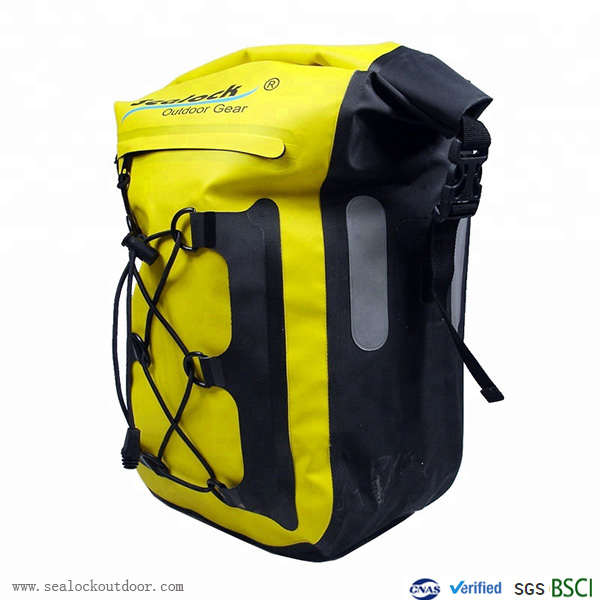
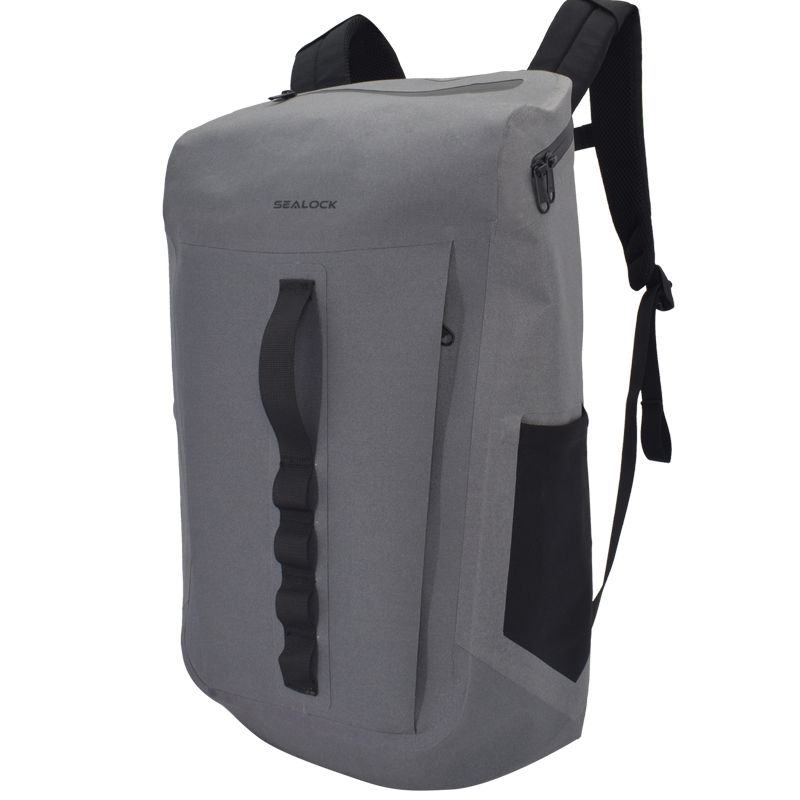
For riders carrying on their back rather than on the bike, see our Waterproof Roll-Top Cycling Backpack.
It is IPX6 — rain, road spray, and a hose-down, with both roll-tops closed three turns and the valve shut. It is not submersion rated and should not be soaked. A roll-top with a valve port and hook-and-loop mounting is not a sealed vessel, and we would rather say so than have you find out at home.
Three causes, in order of frequency: one of the roll-tops was closed with fewer than three turns; the roll was tighter at one end than the other, so water entered at the slack corner; or the air valve was left open. Check all three before assuming a fault.
Drop, flat, and riser bars all take it. The point to check is not the bar diameter but the clearance behind the bars — cables, brake lines, and computer mounts vary far more between bikes than bars do. On narrow drop bars, check against the brake hoods before ordering a fleet.
The mounting geometry holds the bag off the bar face, and the side compression straps stop a part-filled bag sagging into the cable run. Purging the air also brings the bag closer to the bars, which increases clearance where it is tightest.
The retention buckle is there precisely for this, and it works independently of the hook-and-loop. If you are riding genuinely rough ground, purge the air and cinch the side straps — a compressed load moves with the bike and a loose one does not.
A packable shelter or a sleeping bag for bikepacking; a shell, a mid-layer, food and tools for a day ride; or a lock, lights, and a change of clothes for a commute. It is a genuine 7 litres unrolled, and rather less once rolled three turns at each end.
Letting trapped air out after closing, so the bag draws down onto its contents instead of staying balloon-shaped. It makes the load more stable and the bag smaller. Close it before riding in rain.
No. Retroreflective material only returns light that is shone at it, so it does nothing against a vehicle with no headlights on or from an angle no light reaches. Lights remain a legal requirement in most markets. The reflective elements supplement them at the most forward point of the bike.
You can, but it comes off tool-free in seconds, and we would recommend taking it. Nothing about the mounting is intended as security.
300 pieces, and yes — silkscreen, welded patch, heat transfer, or reflective film. Custom sizes, colours, and mounting systems are all available at the same MOQ, from either our China or Vietnam facility.
Handlebar bags are judged on something a specification sheet cannot convey: how the front end feels with the bag loaded on a fast descent. We suggest fitting a sample to whatever bars you sell into, loading it to weight, and riding it — then comparing against what you currently source. Samples ship in 7–15 days.
Send us your target quantity, colourway, and branding requirement, and we will return pricing and a realistic production schedule.