The Mechanics of Abrasive Failure in Mud and Torrential Rain
Standard hiking backpacks rely on DWR (Durable Water Repellent) coatings and internal polyurethane seam tapes. In controlled environments, they function adequately. However, when subjected to wilderness environments involving heavy mud and torrential rain, these conventional structures face rapid mechanical breakdown.
Mud acts as a micro-abrasive. When a hiker carries a 15kg load, the kinetic friction generated by walking forces silica mud particles directly into the exposed needle holes of stitched shoulder straps and base panels. Within 48 hours of continuous exposure, this grinding action destroys the internal seam tape. A microscopic needle puncture stretch of just 0.2mm under dynamic load is enough to allow capillary water intrusion, compromising your internal gear and emergency thermal layers.
True waterproof reliability requires the absolute elimination of mechanical punctures in the base substrate.
420D TPU Composite & Seamless Joint Technology
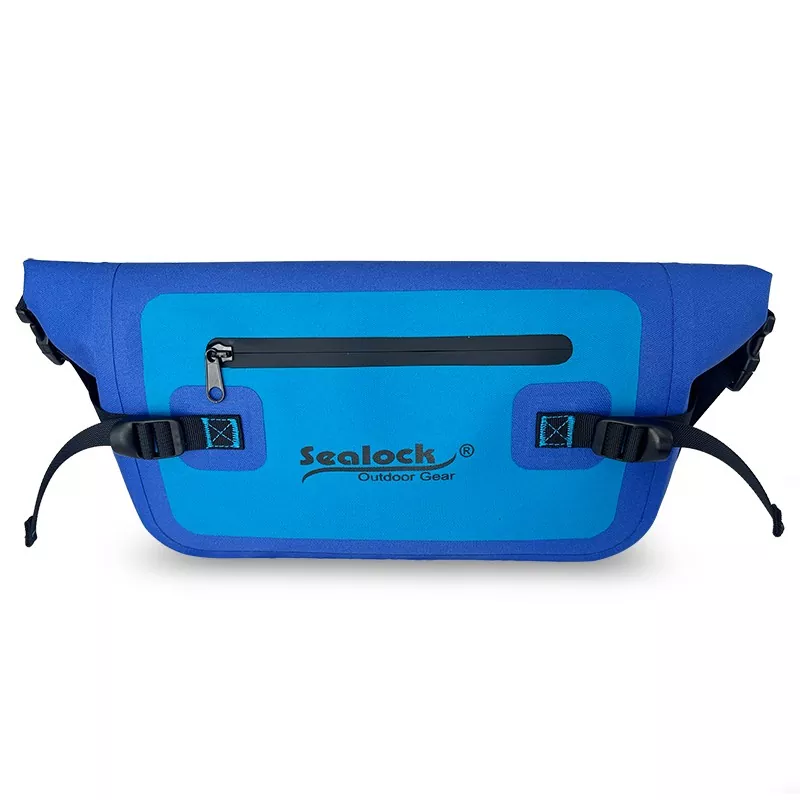
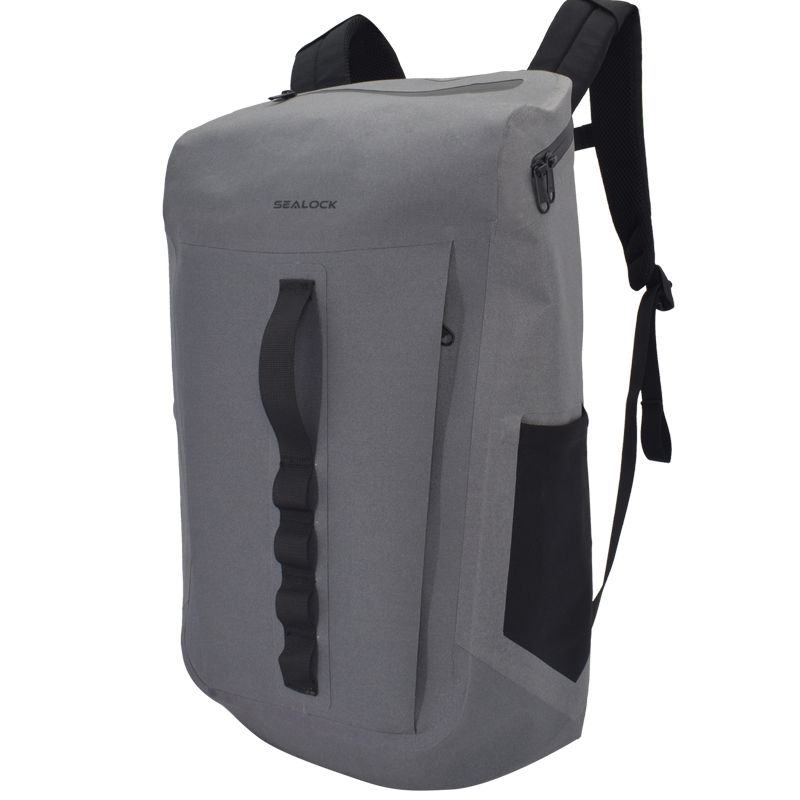
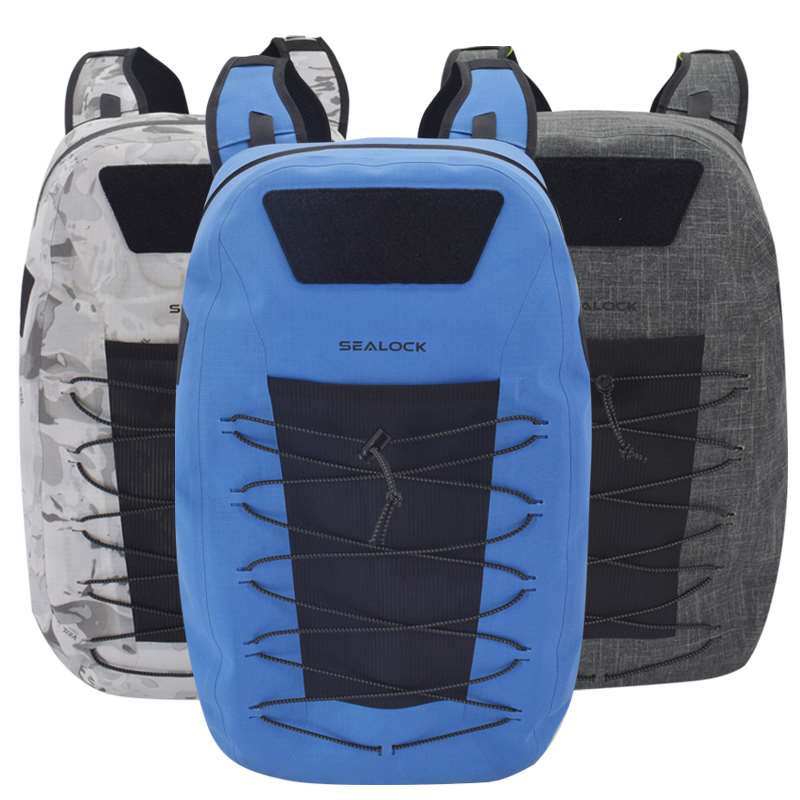
To engineer a backpack capable of surviving continuous submersion and mud abrasion, Sealock completely discards traditional needle-and-thread manufacturing. The structural integrity of our Waterproof Outdoor Hiking Softback Backpack relies on 420D TPU (Thermoplastic Polyurethane) Composite integrated via Seamless Joint Technology.
Unlike PVC, which hardens and becomes brittle in cold mountain air, the polyether-based 420D TPU matrix retains peak molecular flexibility even at -20°C. To join these panels, we utilize high-frequency dielectric welding.
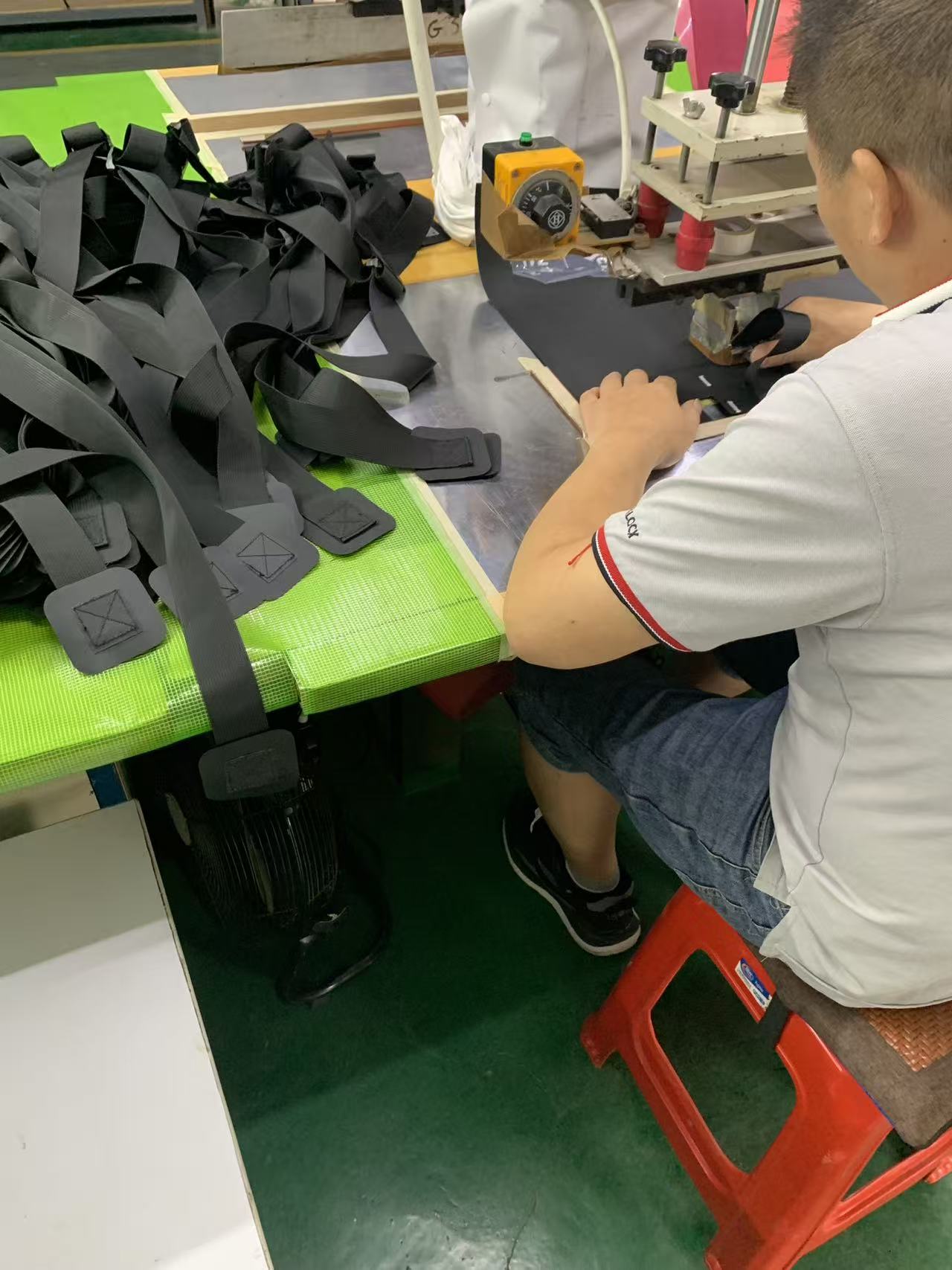
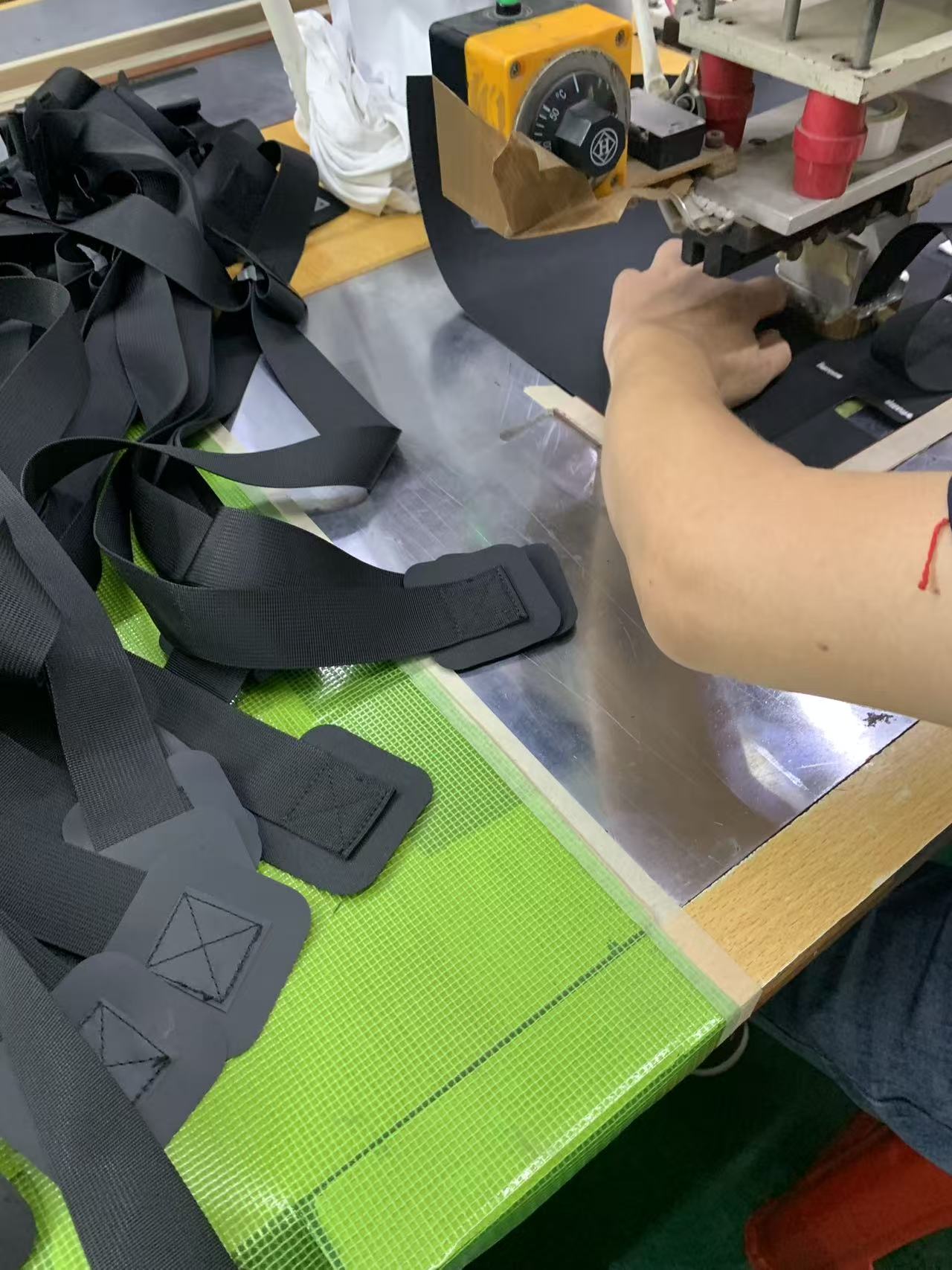
During the welding phase, an exact electromagnetic frequency excites the TPU molecules, melting them together under a locked pressure of 6.5 bar. If the dwell time deviates by even 0.4 seconds, the molecular bond will lack the tensile shear strength required for heavy load-bearing. Our calibrated process ensures the fused seam is completely indistinguishable from the virgin fabric—creating a 100% airtight and watertight pressure vessel.
🛠️ The Audit Kill-Shot (B2B Procurement Defense)
When evaluating an OEM supplier for waterproof hiking gear, demand their "Weld Shear Strength" testing protocols. If the vendor cannot provide digital tensile load data proving their seamless joints can withstand a minimum of 50kg of direct static pull without delamination, their manufacturing process lacks the micro-tolerance control necessary for professional outdoor survival gear.
Ergonomic Anatomy: The Softback Suspension System
Creating a waterproof chamber is only half the engineering equation; suspending that dynamic weight against the human spine in slippery conditions requires specialized geometry.
-
Load-Bearing Anchor Points: Instead of piercing the waterproof chamber with rivets or heavy stitching, the softback shoulder harness system is perimeter-welded directly to the exterior 420D TPU shell. This isolates kinetic stress entirely outside the dry zone.
-
Airtight Roll-Top Seal: The primary closure system utilizes a mechanical fold geometry that traps air inside, allowing the bag to act as a secondary flotation device during emergency river crossings.
-
Mud-Shedding Exterior: The slick topography of the TPU composite prevents mud and organic debris from caking onto the bag, allowing for rapid cleaning with a single water rinse.
Standard Technical Specifications (Model: Softback Hiking)
The following engineering parameters define the baseline performance for this specific 420D TPU production run. For larger submersible cargo options, refer to our Heavy-Duty Dry Bag catalog.
|
Engineering Parameter
|
Industrial Specification Data
|
|
Base Substrate
|
420D TPU Composite Environmental Protection Material
|
|
Construction Method
|
Seamless Joint Technology (Zero needle punctures)
|
|
Suspension Geometry
|
Ergonomic Softback Design
|
|
Tensile Performance
|
Super tensile force endurance for dynamic outdoor loads
|
|
Operating Environments
|
River tracing, deep mud, continuous torrential rain, boating
|
B2B Procurement Action: To validate these structural tolerances for your brand's outdoor product line, contact our engineering team to request OEM modifications based on this exact 420D TPU Backpack Chassis.
Factory Verification & Environmental QA
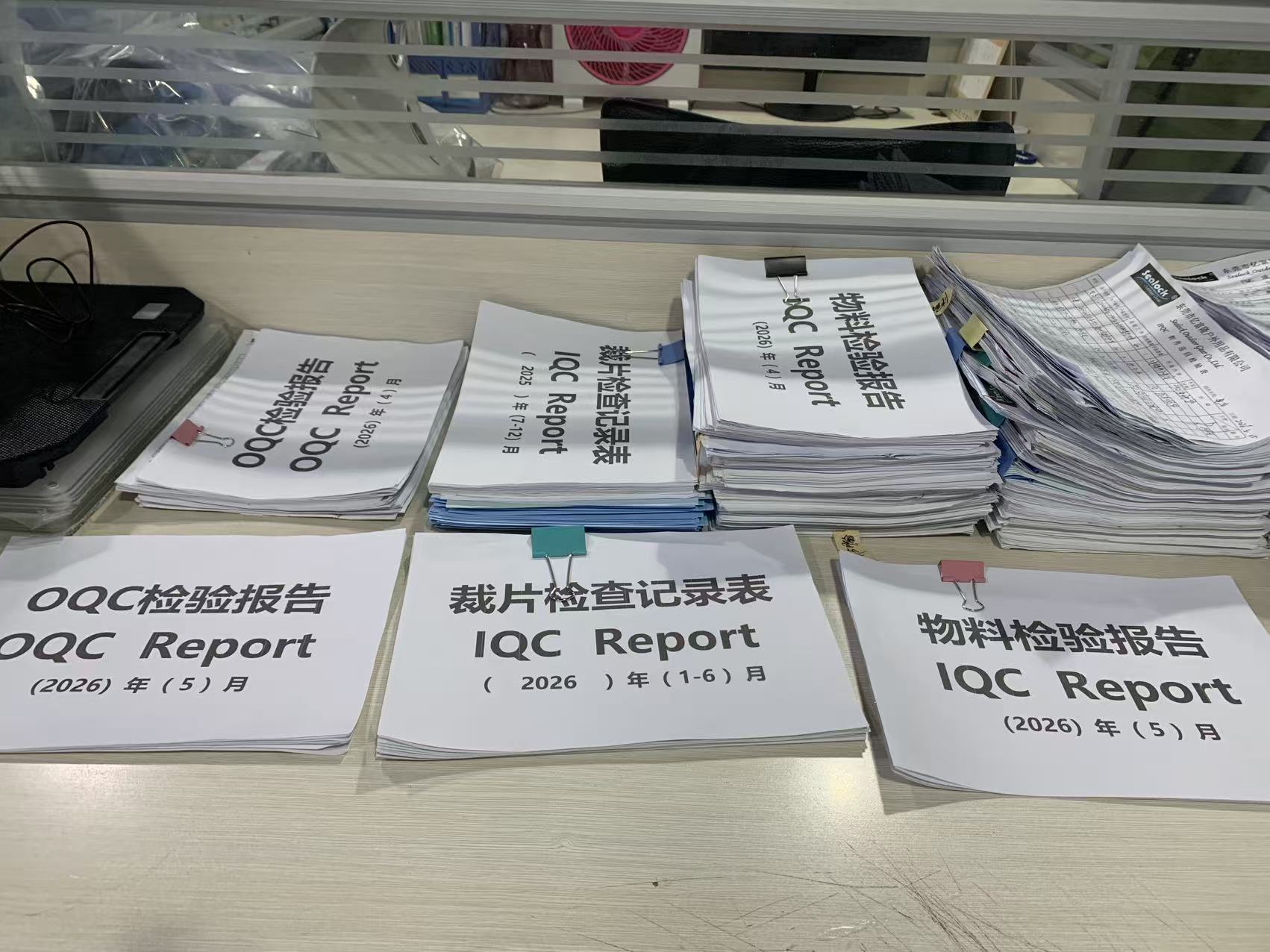
We do not rely on theoretical material data sheets. Every batch of 420D TPU backpacks undergoes severe empirical testing in our quality assurance laboratory.
Sample units from the production line are subjected to the Dynamic Mud & Water Immersion Protocol. Fully weighted bags are submerged in abrasive mud slurries and subjected to high-pressure water jets simulating category-5 storm conditions. Following this, technicians conduct pneumatic leak detection. Any unit demonstrating a pressure drop of more than 0.1 PSI over 30 minutes results in a complete recalibration of that specific die-welding station.
Problem-Solving FAQ
Q: Why is 420D TPU specified over standard 500D PVC for hiking applications?
A: While PVC is highly waterproof, it is significantly heavier and environmentally toxic. 420D TPU (Thermoplastic Polyurethane) offers a superior strength-to-weight ratio, crucial for hikers carrying gear over long distances. More importantly, TPU is highly resistant to hydrolysis and cold-cracking, meaning the backpack won't stiffen and fracture when exposed to freezing altitudes or prolonged wet mud, whereas PVC plasticizers will quickly degrade under the same kinetic stress.
Q: Does "Seamless Joint Technology" mean the bag can be completely submerged?
A: Yes. Because there are zero needle punctures in the structural envelope, the body of the bag is hermetically sealed. the backpack can withstand brief submersion (e.g., slipping into a river) and will trap enough internal air to provide emergency buoyancy, protecting all internal electronics and thermal gear.
 English
  Español
  Português
  русский
  Français
  日本語
日本語  Deutsch
  tiếng Việt
  Italiano
  Nederlands
  ภาษาไทย
  Polski
  Svenska
  magyar
  Malay
Malay  বাংলা ভাষার
  Dansk
Dansk  Suomi
Suomi  हिन्दी
  Pilipino
  한국어
한국어  Türkçe
  Gaeilge
  العربية
  Indonesia
  Norsk
Norsk  تمل
تمل  český
český  ελληνικά
  український
  Javanese
  فارسی
فارسی  தமிழ்
தமிழ்  తెలుగు
  नेपाली
  Burmese
  български
  ລາວ
ລາວ  Latine
  Қазақша
  Euskal
  Azərbaycan
  Slovenský jazyk
  Македонски
  Lietuvos
  Eesti Keel
  Română
  Slovenski
  मराठी
मराठी  Srpski језик