The Thermal Physics of Polymer Embrittlement
At 0°C, the physical properties of thermoplastic polymers begin to shift. By -15°C, standard outdoor gear faces catastrophic mechanical failure. When a mountaineer or winter kayaker forces a fold on a frozen roll-top closure, the kinetic stress concentrates strictly on the hardened crease.
If the waterproof substrate lacks low-temperature elasticity, the polymer chains physically snap under pressure. This is macroscopic embrittlement. A micro-crack of just 1mm along an RF-welded seam completely nullifies an IPX7 waterproof rating. Once the gear thaws, water ingress into the internal cargo zone is instantaneous. In sub-zero wilderness environments, gear failure directly causes critical equipment freezing and thermal loss.
TPU vs. PVC: Molecular Chain Comparison
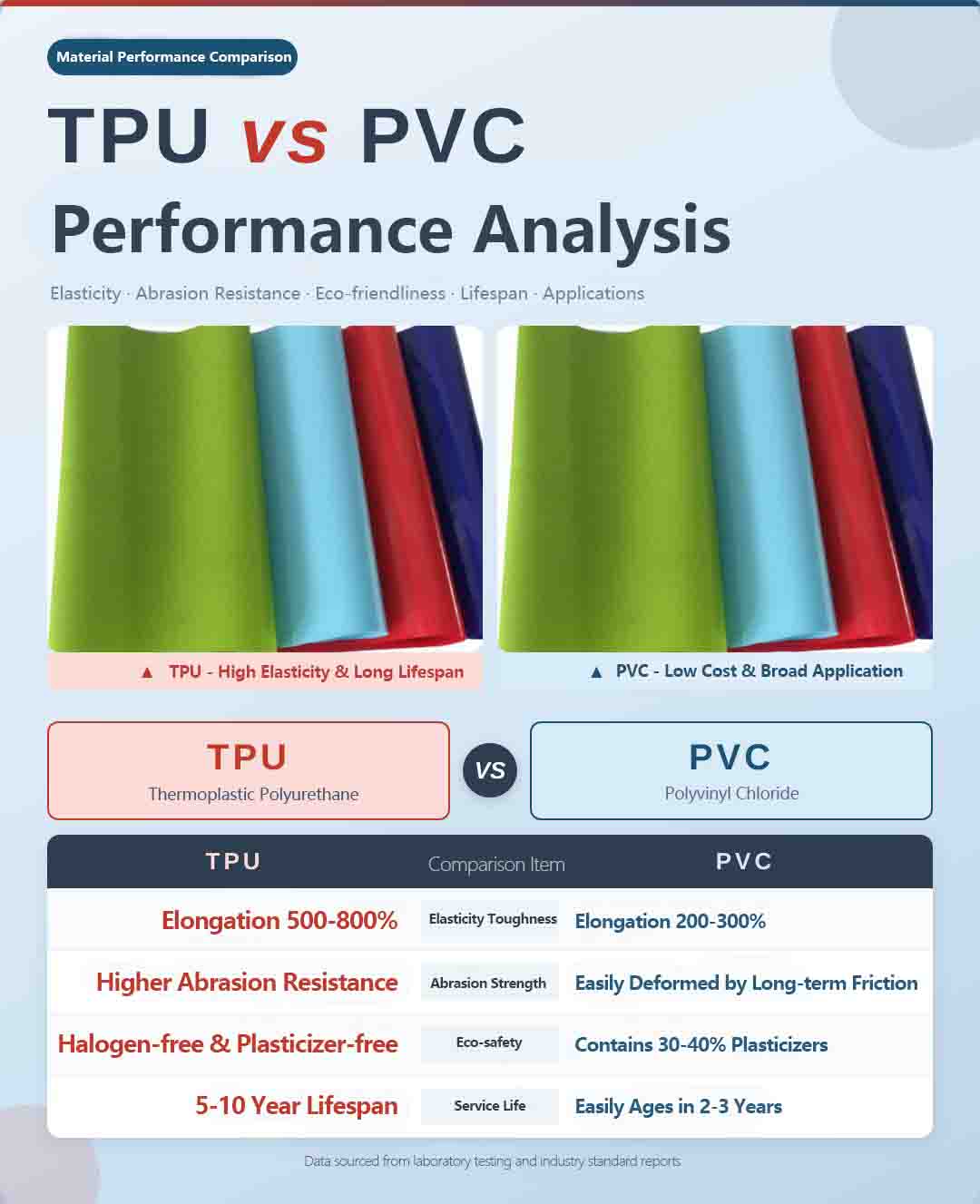
The outdoor luggage industry relies heavily on two primary elastomers: Polyvinyl Chloride (PVC) and Thermoplastic Polyurethane (TPU). Their thermal behaviors are fundamentally opposed.
The PVC Plasticizer Problem: Standard 500D PVC Tarpaulin is inherently rigid. It requires liquid plasticizers during extrusion to become flexible. Under extreme cold or continuous UV exposure, these plasticizers undergo migration—they slowly leach out of the PVC matrix. As the temperature drops below -5°C, the depleted PVC stiffens drastically. If you forcefully roll a hardened PVC dry bag, micro-fissures immediately develop along the stress lines.
The Polyether TPU Advantage: Conversely, Sealock specifies 500D Polyether TPU laminated fabrics for extreme-environment gear. Polyether TPU contains zero migratory plasticizers. Its flexibility is derived directly from its inherent molecular structure. This matrix maintains a dynamic flex modulus down to -30°C. It does not harden, and it does not crack under repetitive dynamic folding.
Choosing the right material is only the first step. Proper storage and protection are equally vital when using TPU gear in extreme conditions.How to Protect Expensive Electronics from Water Damage When Kayaking Capsizes, Refer to our previous engineering guide to learn how TPU fabric safeguards electronic devices during water sports.
🛠️ The Audit Kill-Shot (B2B Procurement Defense)
When procuring winter expedition gear, demand to see the supplier's ISO 4675 or ASTM D2136 "Low-Temperature Bend Test" reports. If a factory claims their PVC bags are "winter-ready" but cannot provide digital stress-strain curves proving zero crack propagation at -20°C, they are ignoring thermal physics and putting your brand reputation at severe risk.
Hardware and Closure Anatomy in Sub-Zero Zones
A winter-grade waterproof bag is only as reliable as its weakest mechanical component.
-
Roll-Top Rigidity: Because TPU remains pliable in freezing temperatures, the user can easily achieve the mandatory 3-fold hermetic seal. Hardened PVC resists folding, creating microscopic air channels that allow moisture penetration.
-
Buckle Shatter Resistance: Standard POM (Polyoxymethylene) buckles become highly brittle and can shatter under impact at -10°C. High-end winter gear pairs TPU fabrics with cold-resistant Nylon 66 hardware, absorbing drop impacts rather than fracturing.
Standard Material Performance Specifications
The following engineering data compares our standard baseline 500D PVC Dry Bags (SL-D110 Series) against our expedition-grade TPU Unplug Adventure Duffel platforms. Use these metrics to determine the correct substrate for your OEM application.
|
Engineering Parameter
|
500D PVC Tarpaulin
|
500D Polyether TPU Lamination
|
|
Cold Flexibility Limit
|
Stiffens at -5°C, high crack risk at -15°C
|
Maintains full elasticity down to -30°C
|
|
Plasticizer Content
|
High (Subject to migration & hardening)
|
Zero (Inherently flexible structure)
|
|
Hydrolysis Resistance
|
Moderate
|
Excellent (Zero degradation in damp storage)
|
|
RF Weld Shear Strength
|
Standard baseline load tolerance
|
Superior shear resistance under dynamic stress
|
|
Optimal Operating Field
|
Summer water sports, casual beach, short-term use
|
Alpine expeditions, winter kayaking, heavy tactical use
|
B2B Procurement Action: If your target market operates in sub-zero alpine or winter marine environments, contact our engineering division to upgrade your current PVC specs to an inherently stable TPU chassis.
Factory Verification: Thermal Shock Testing
We validate material endurance empirically. In our QA environmental chambers, Sealock subjects both TPU and PVC base fabrics to extreme thermal shock sequences.
Materials are held at -25°C for 24 continuous hours. Immediately upon removal from the freezing chamber, the fabric is clamped into an automated pneumatic folding rig and subjected to 500 rapid flex cycles, followed by a 50kg dynamic shear test on the RF welded seam. Bags that exhibit even microscopic delamination under post-test hydrostatic pressure checks are instantly rejected.
Problem-Solving FAQ
Q: If a PVC dry bag develops a crack in the cold, can it be repaired with waterproof tape?
A: No. Once polymer embrittlement causes a physical crack in PVC, the structural integrity of the surrounding area is already compromised due to plasticizer loss. Taping the external crack does not restore the hermetic seal of the inner chamber against hydraulic pressure. The bag must be replaced.
Q: Is TPU significantly heavier than PVC for hiking gear?
A: TPU actually provides a superior strength-to-weight ratio. A 420D or 500D TPU laminated fabric is significantly lighter than a standard 500D PVC tarpaulin while offering exponentially higher abrasion and cold-crack resistance, making it the mandatory choice for lightweight mountaineering and winter hiking gear.
Q: How does material choice affect the overall waterproof reliability?
A: Material choice determines the baseline threshold for failure. However, structural assembly is equally critical. To see how these materials are integrated with high-frequency welding to achieve IPX7 ratings, please refer to our deep-dive analysis: The Ultimate Guide to Seamless Waterproof Construction & RF Welding.
 English
  Español
  Português
  русский
  Français
  日本語
日本語  Deutsch
  tiếng Việt
  Italiano
  Nederlands
  ภาษาไทย
  Polski
  Svenska
  magyar
  Malay
Malay  বাংলা ভাষার
  Dansk
Dansk  Suomi
Suomi  हिन्दी
  Pilipino
  한국어
한국어  Türkçe
  Gaeilge
  العربية
  Indonesia
  Norsk
Norsk  تمل
تمل  český
český  ελληνικά
  український
  Javanese
  فارسی
فارسی  தமிழ்
தமிழ்  తెలుగు
  नेपाली
  Burmese
  български
  ລາວ
ລາວ  Latine
  Қазақша
  Euskal
  Azərbaycan
  Slovenský jazyk
  Македонски
  Lietuvos
  Eesti Keel
  Română
  Slovenski
  मराठी
मराठी  Srpski језик