





You're about to drop your phone into a plastic pouch and jump in the water — and a small voice asks whether that's actually a good idea. Here's the honest answer, why it depends entirely on one rating most people never check, and how to know whether your pouch can be trusted before your phone is the test subject.
The reason "is it safe?" doesn't have a flat yes/no answer is that "waterproof phone pouch" describes products with very different real-world abilities. Two pouches can look identical and behave completely differently underwater. So instead of trusting the word "waterproof," you need to follow a short chain of reasoning: what rating it has → what that rating actually guarantees → what the rating doesn't cover → and how to verify your specific pouch. Let's walk it.
Step 1: It comes down to the IPX rating
Every claim of "waterproof" should map to an IPX number, and for water immersion only two ratings matter:
| Rating | What it means | Swimming? |
|---|---|---|
| IPX7 | Immersion up to 1 m for 30 minutes | Brief, shallow only — not for active swimming |
| IPX8 | Continuous immersion beyond 1 m (depth set by maker) | Yes, within the stated depth |
| IPX4 or "splash-proof" | Splashes only | No — will leak when submerged |
This single line on the spec sheet is the whole decision. If a pouch is rated IPX8, it has been tested to stay sealed under sustained submersion — which is what swimming is. If it only claims "water-resistant" or IPX4, it was never built to go under, and using it in the pool is a gamble with your phone. So the first thing to do isn't to test the pouch — it's to find its rating. No IPX8 marking, no swimming.
Step 2: What an IPX8 rating does — and doesn't — guarantee
Here's the part most articles skip, and it's why "IPX8" alone shouldn't make you fully relaxed. The rating is real, but it's earned under lab conditions: a new, undamaged pouch, sealed perfectly, lowered into still water to a set depth. Your swim is not a lab. Three real-world factors sit outside what the rating covers:
- The seal depends on you. IPX8 assumes the closure is shut correctly. A clip not fully clamped, a clamp with hair or sand caught in it, or a roll not rolled enough — any of these breaks the seal the rating assumes. The pouch can be perfect and still leak because of how it was closed.
- Depth and pressure have limits. IPX8 is tested to a depth the manufacturer chooses — often around 2 m. Diving deeper increases water pressure and can force water past a seal that holds fine at the surface. Swimming laps is fine; free-diving to the bottom of a deep pool may not be.
- Ratings describe new condition. The seal is only as good as the material around it. A pinhole, a worn clamp, a brittle seam from age or UV — none of these show in the original rating, because the rating was measured when the pouch was new.
None of this means IPX8 pouches don't work — they do. It means the rating guarantees the pouch's capability, not the outcome of your swim. The gap between those two is closed by the next two steps.
Step 3: Test the pouch before you trust your phone to it
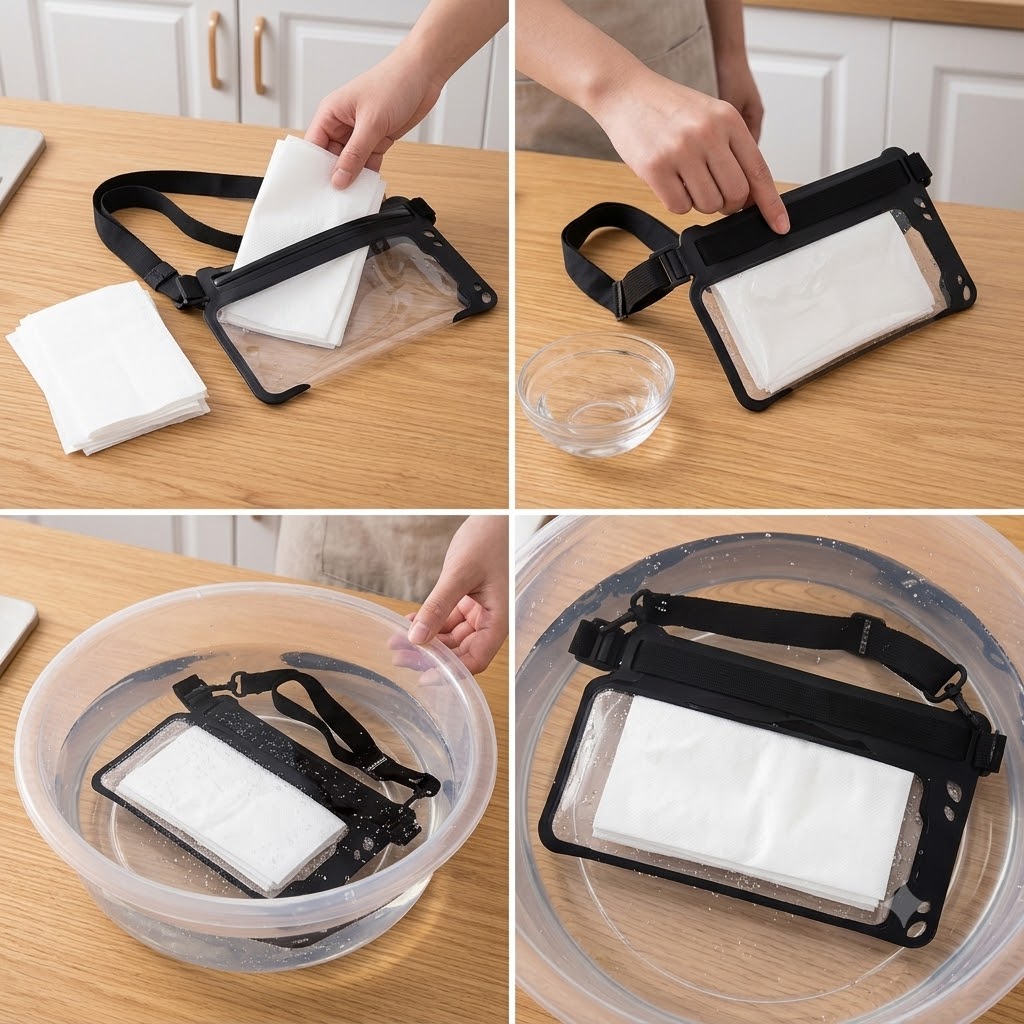
Because the seal depends on condition and closure — things only you can check — never let your phone be the first thing that goes underwater. Run a 5-minute dry test, every season and after any rough handling:
- Tissue test: seal a folded paper tissue (or a few sheets) inside the empty pouch exactly as you would for real.
- Submerge it: hold it fully underwater for 5–10 minutes — longer and deeper than your actual use.
- Check: open it and feel the tissue. Bone dry means the seal and material are sound. Any dampness, even slight, means do not trust it with a phone — re-seal and retest, and if it still fails, retire the pouch.
This converts an unknown ("is it safe?") into a known. A pouch that passes the tissue test, closed the same way you'll close it for real, has demonstrated the one thing the label can't: that this pouch, in this condition, sealed by you, holds.
 ]
]
Step 4: The honest verdict, by activity
Putting the chain together — rating, then its limits, then a verified seal — here's where a quality IPX8 pouch lands for each common use:
| Activity | Safe with IPX8 pouch? |
|---|---|
| Pool swimming, surface laps | Yes — the core use case |
| Open-water / sea swimming | Yes, but rinse after and watch for seal wear from salt |
| Snorkeling at shallow depth | Usually yes, within the stated depth rating |
| Deep diving / free-diving | Risky — pressure can exceed the rated depth |
| Splashing, kayaking, beach | Yes — well within capability |
| Any pouch not marked IPX8 | No — keep it out of the water |
The pattern is consistent: the pouch is safe for the activities it was rated for, once you've confirmed the seal — and unsafe the moment you exceed the depth, skip the test, or use a pouch that was never rated for immersion in the first place.
What makes a phone pouch trustworthy in the first place
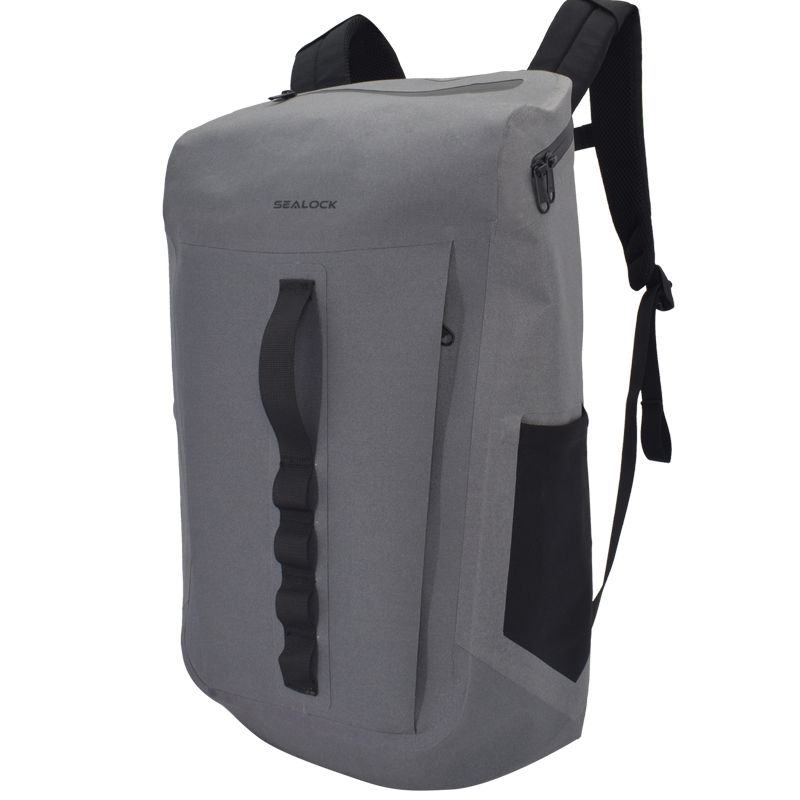
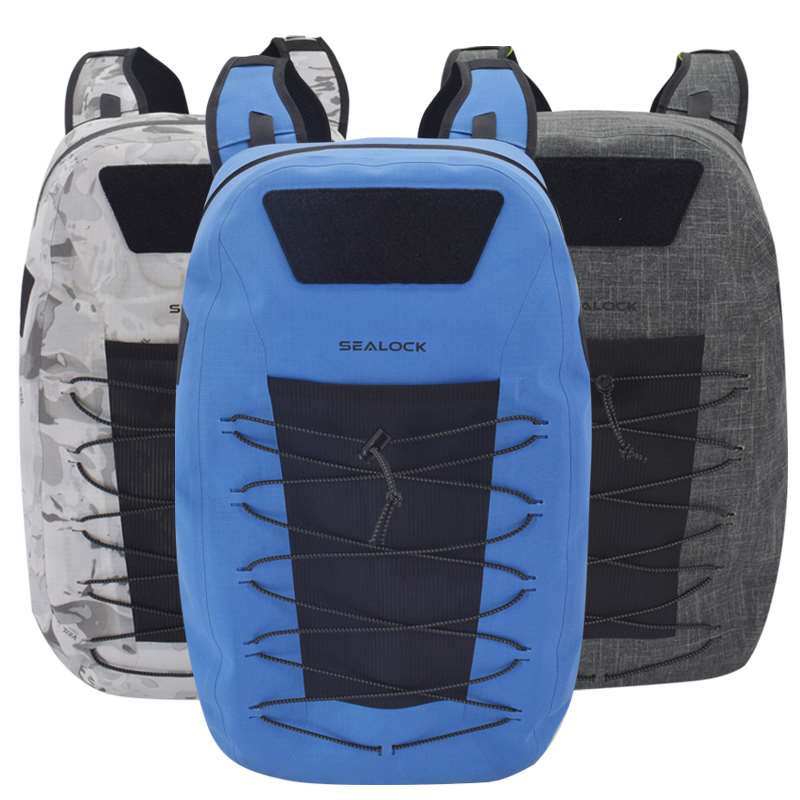
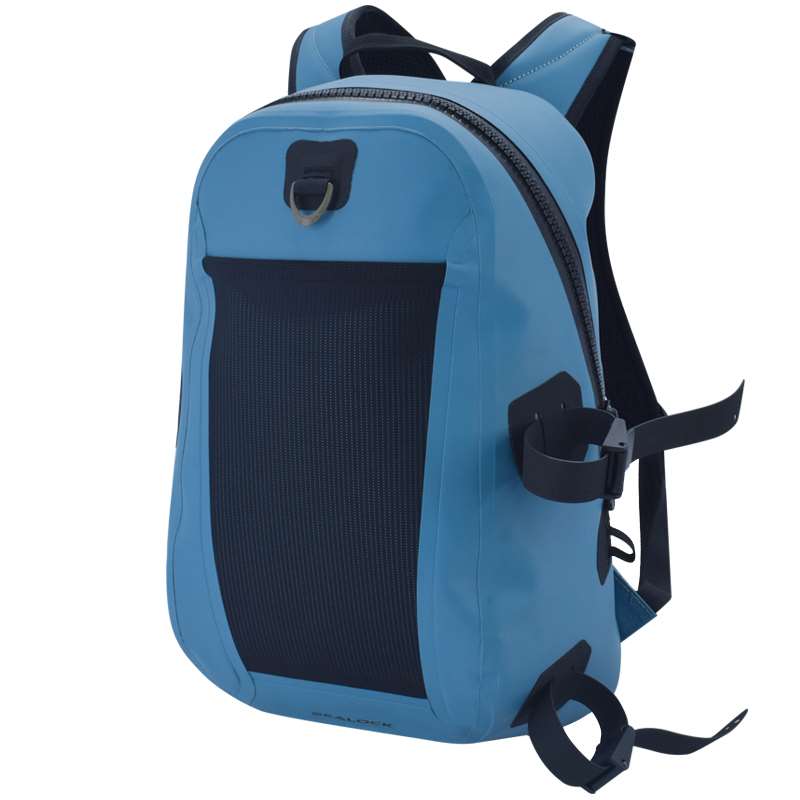
Everything above assumes a well-made pouch. The difference shows up exactly where the risks live: a genuine IPX8 pouch uses welded seams (not stitched, which leaves needle holes) and a closure designed to seal under pressure, in material durable enough that the rating still holds after a season of use. That construction is what lets it survive the real-world factors the lab rating can't promise. You can see how this is built into our waterproof phone pouch range, and why welded seams stay sealed where stitched ones leak in our welding vs stitching explainer. If you also carry a wallet, keys, or a camera near the water, a dry bag applies the same logic at a larger size.
The bottom line: Yes, a waterproof phone pouch is safe for swimming — but only when three things line up: it's rated IPX8, it's still in good condition, and you've confirmed the seal with a tissue test. Get any one of those wrong and "waterproof" becomes a hopeful word rather than a guarantee. Check the rating, test the seal, respect the depth limit, and your phone stays dry.
Frequently asked questions
You can shoot through the clear window, but you usually can't tap the screen underwater — water disrupts the touchscreen. Set up your camera and use the volume button as a shutter before submerging, where your phone supports it.
IPX7 is tested for brief immersion to 1 m for 30 minutes — fine for accidental dunks, not for active swimming. IPX8 is tested for continuous immersion beyond 1 m, which is what swimming needs. For the pool, look for IPX8.
Yes, if it's IPX8 and in good condition, but salt is harder on seals over time. Rinse the pouch in clean fresh water after every sea swim and check the seal regularly.
Only to the depth the manufacturer states for its IPX8 rating — often around 2 m. Going deeper increases pressure and can force water past the seal, so don't free-dive with it unless it's rated for that depth.
Not reliably — most pouches with a phone inside are close to neutral or sink. If you want it to float, choose a pouch specifically designed to, or attach a float; otherwise use a lanyard so a dropped phone stays with you.
Replace it when the tissue test fails, when the closure feels loose, or when you see wear, cloudiness, or cracking. Don't judge by age alone — judge by whether it still passes the test.
Some are, but the failure points — seams and closure — are exactly where cost is cut. Whatever the price, confirm an IPX8 rating and run the tissue test before trusting it with your phone.
Want a pouch you can actually trust underwater?
Look for genuine IPX8 construction with welded seams and a sealing closure. See the Sealock waterproof phone pouch range, or browse all waterproof bags if you need to keep more than a phone dry.