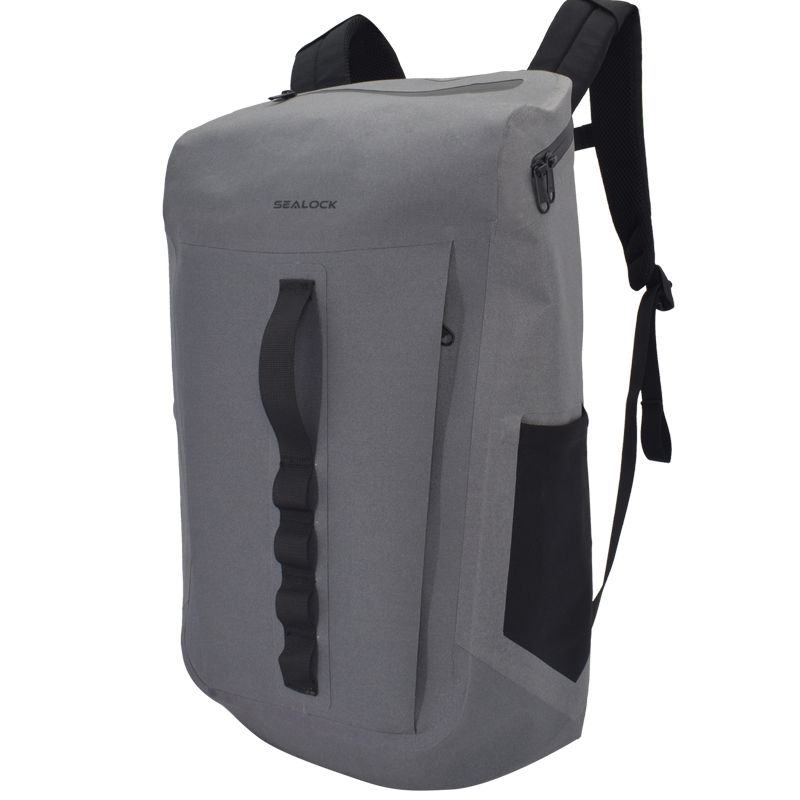
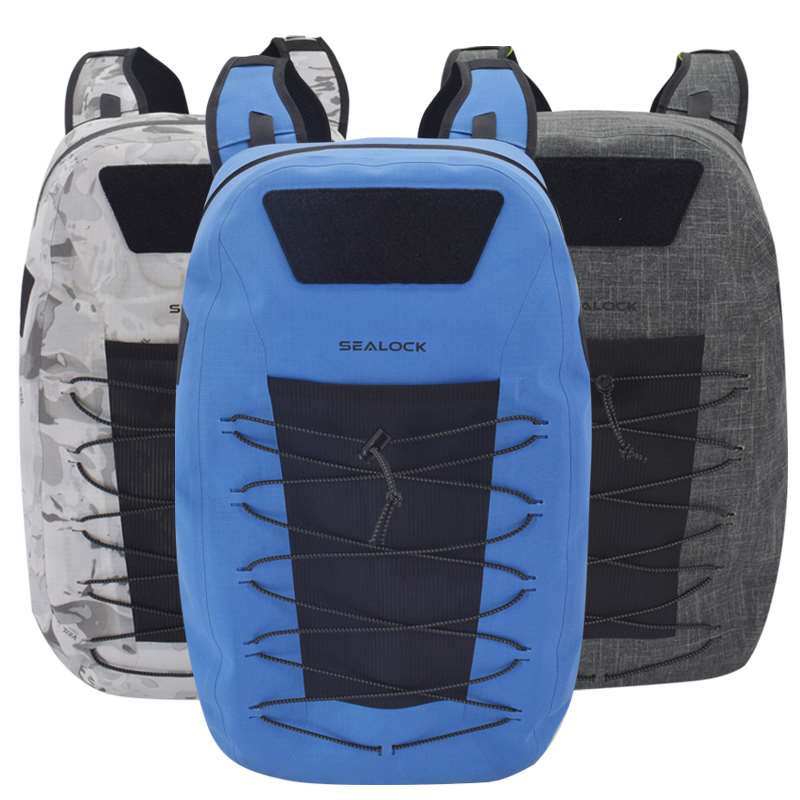
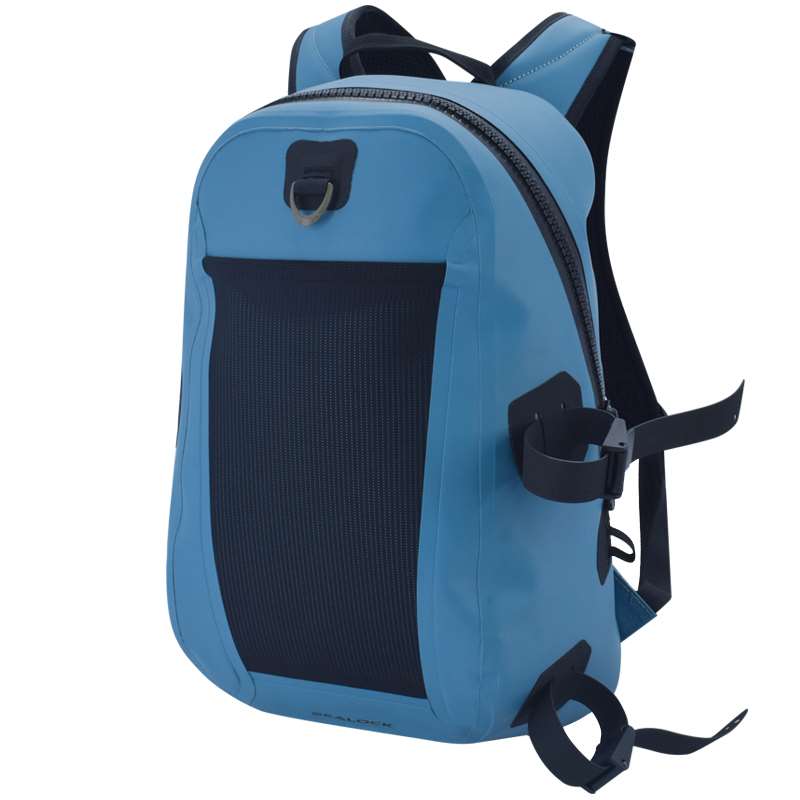
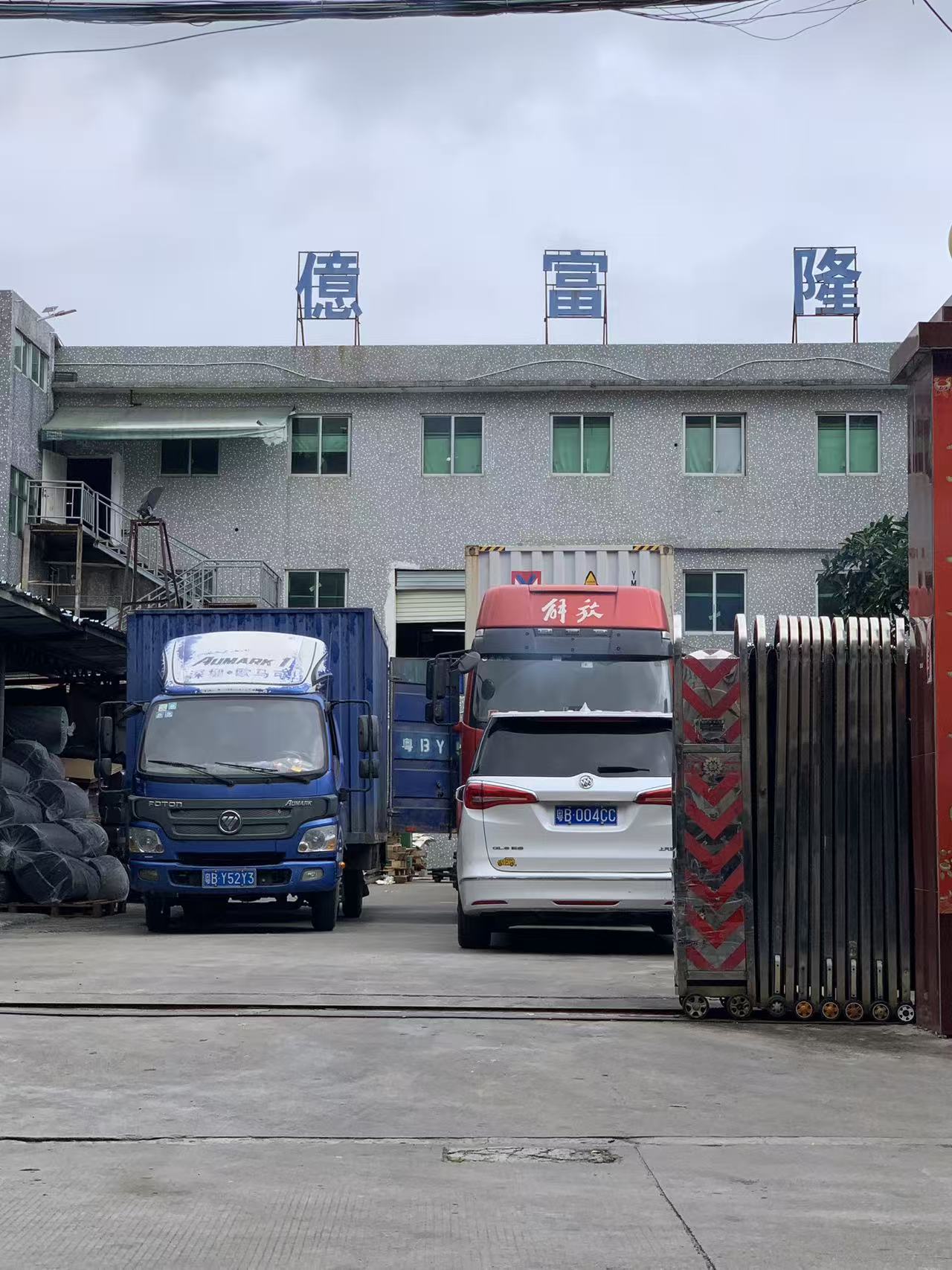
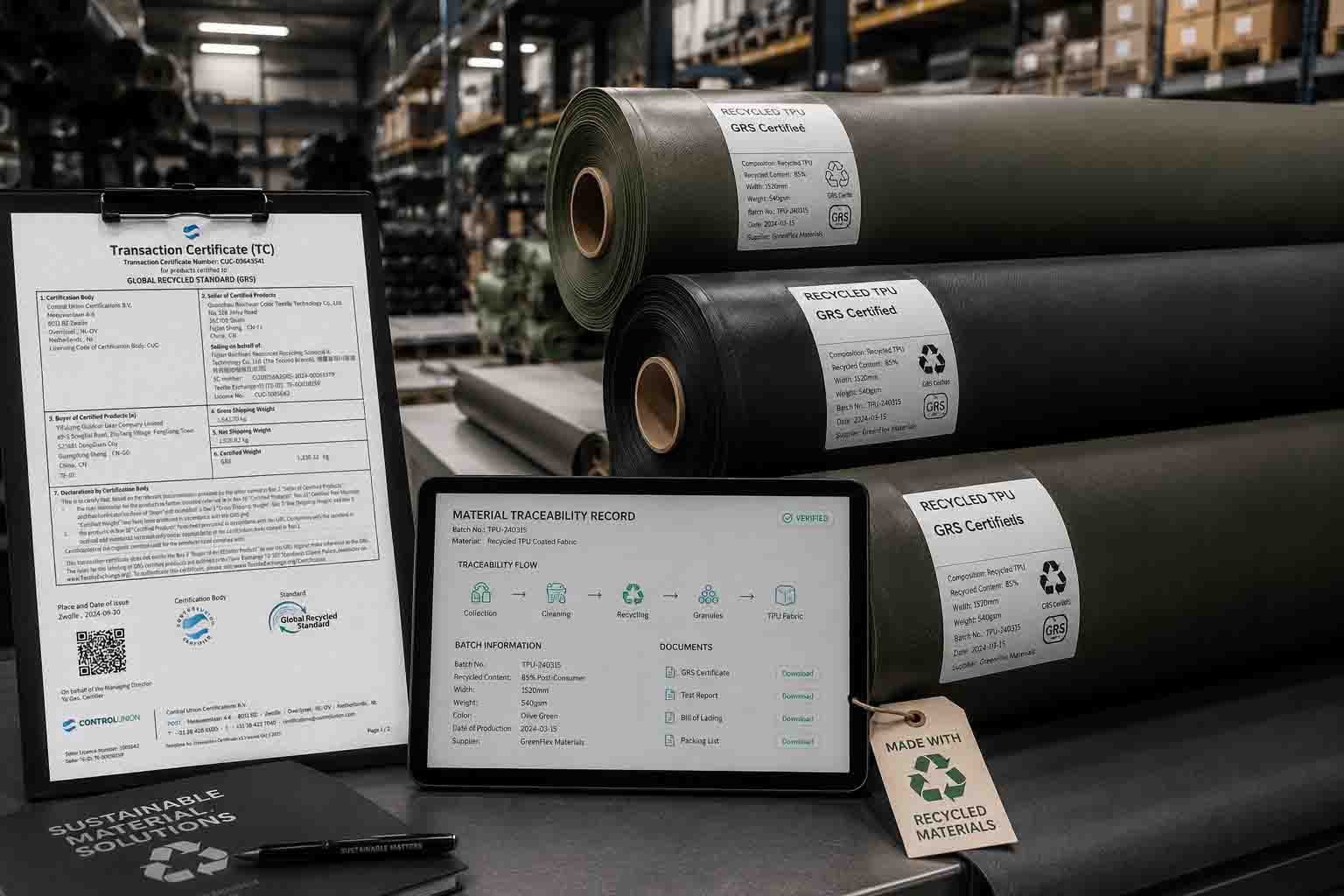
A dual-base manufacturing strategy looks clean on an RFQ. Executing it—tracking polymer resin lots across international borders, synchronizing container loading sequences, and delivering calibrated TPU substrates to a Vietnamese welding floor in the same pristine condition they left a Chinese laboratory—is where most brokers break down. This case study documents the actual shop-floor operations behind Sealock's China-Vietnam manufacturing transfer: from upstream LLDPE compound gating and vacuum-sealed roll storage to Yang Ming container loading protocols and barcode traceability manifests. Because certificates are easy. Execution is what separates serious OEM partners from expensive mistakes.
When sourcing waterproof or coated-fabric gear at scale, peel strength data matters more than a factory tour. From ASTM D751 seam slippage evaluation and accelerated hydrolysis chamber testing to in-line thermal imaging and digital QA traceability logs—the difference between a reliable manufacturing partner and an expensive mistake is measured in Newtons, not promises. Here's exactly what to audit, what to demand, and how a China-Vietnam dual-base manufacturing strategy delivers both engineering precision and supply chain agility.
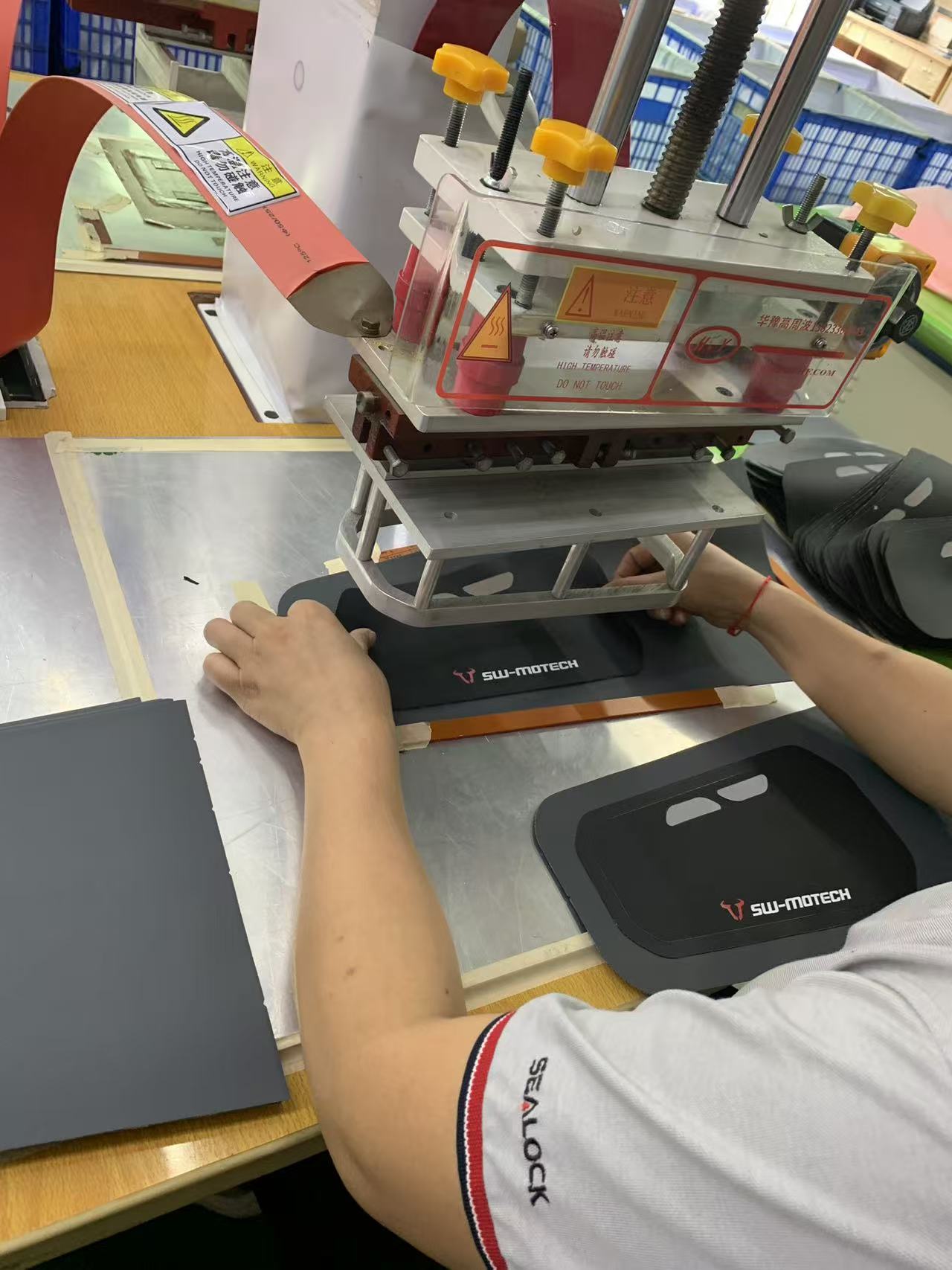
RF welding defects are particularly dangerous in supply chain terms because the most serious ones—cold welds especially—are invisible to standard visual inspection and only surface under field stress conditions, long after the container has left port. This guide covers the three defect types that experienced sourcing managers look for when auditing an OEM RF welding operation: incomplete molecular fusion (cold weld), thermal degradation from arcing, and asymmetrical extrusion from platen misalignment. For each defect it explains the production conditions that cause it, the visual and tactile indicators visible during a factory audit, and the specific test or documentation request that confirms or rules it out.
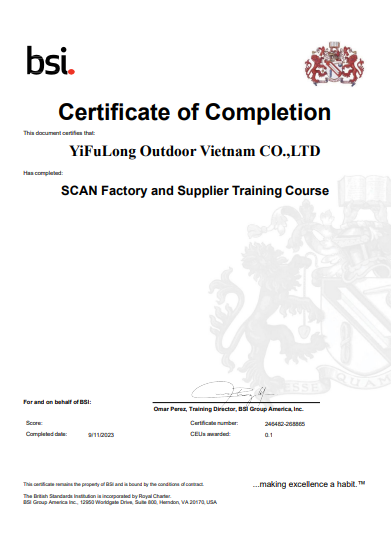
Most factory audits for waterproof outdoor gear stop at equipment capability: does the facility have RF welding machines, what denier fabrics do they stock, can they hit the quoted MOQ. These are necessary questions. They're also insufficient ones. This guide covers the three audit dimensions that experienced sourcing managers evaluate beyond manufacturing capability: material traceability and GRS certification for sustainability compliance, ISO 9001 quality management systems as applied to RF welding production (not just the certification plaque), and the social compliance infrastructure—BSCI, SMETA readiness, labor documentation—that determines whether a supply chain can withstand scrutiny from major retail partners and global brand standards teams.
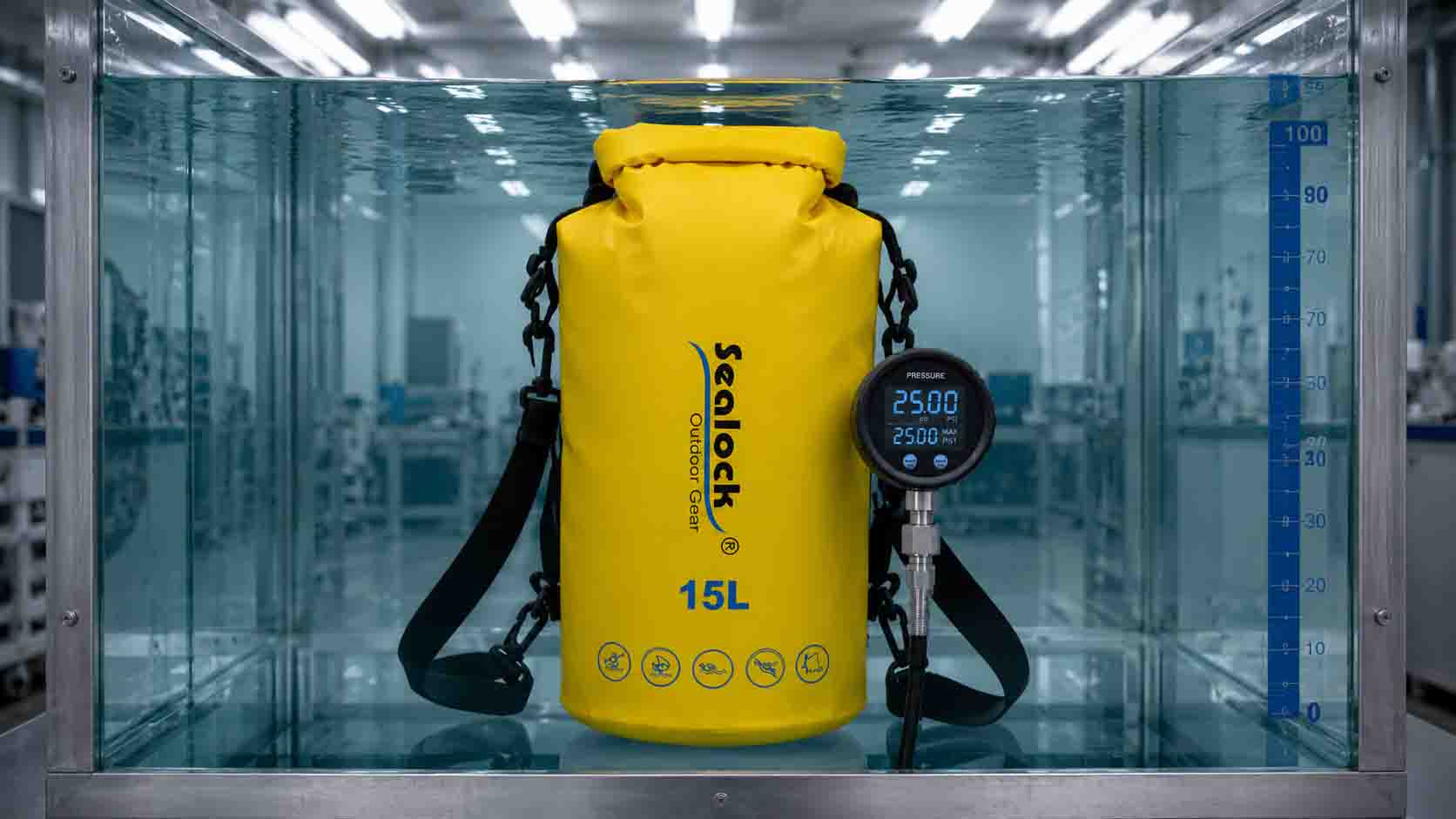
For brands supplying professional-grade waterproof outdoor gear, a manufacturing partner's RF welding capability is only as meaningful as the process discipline behind it. This article covers the engineering parameters that determine whether RF welding produces consistent zero-leak results at production scale: the physics of 27.12 MHz internal molecular heating versus surface thermal bonding, the narrow calibration window required when welding 840D high-tenacity TPU, the three process variables that separate a controlled production environment from an inconsistent one, and what 1.0 Bar hydrostatic pressure testing actually confirms about a finished weld.