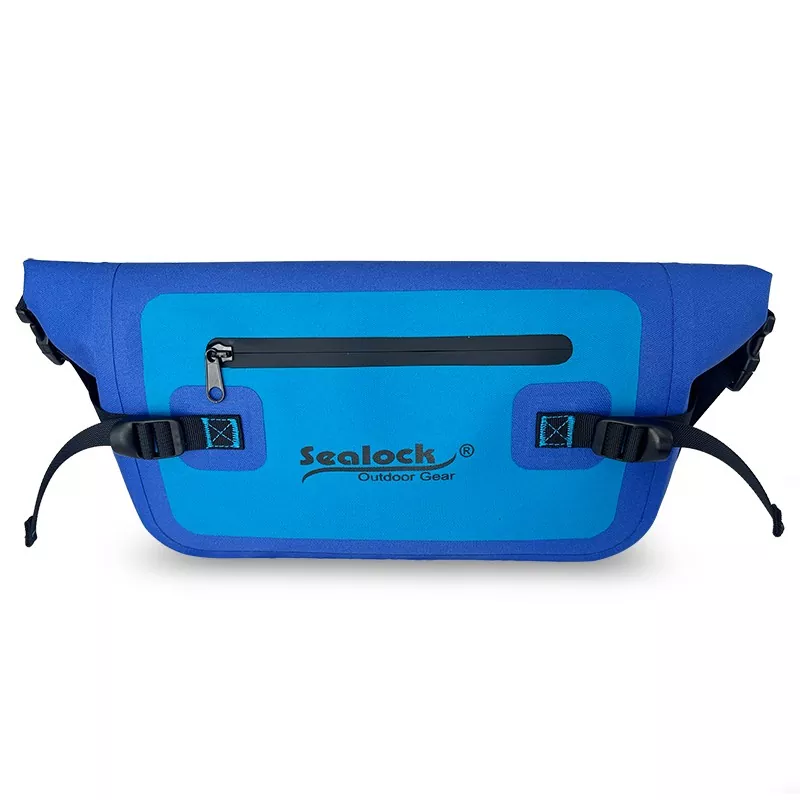
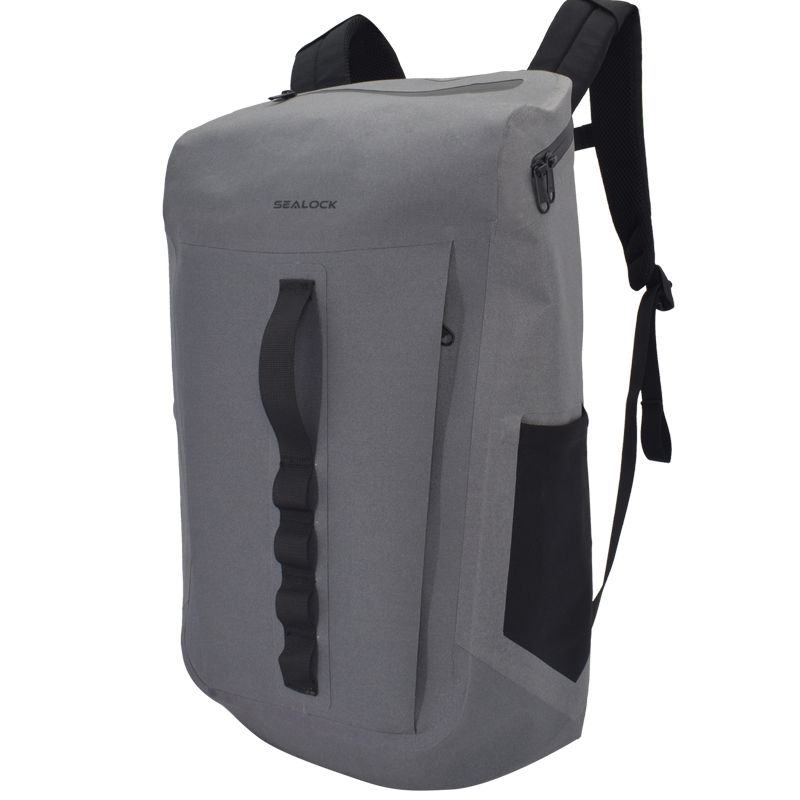
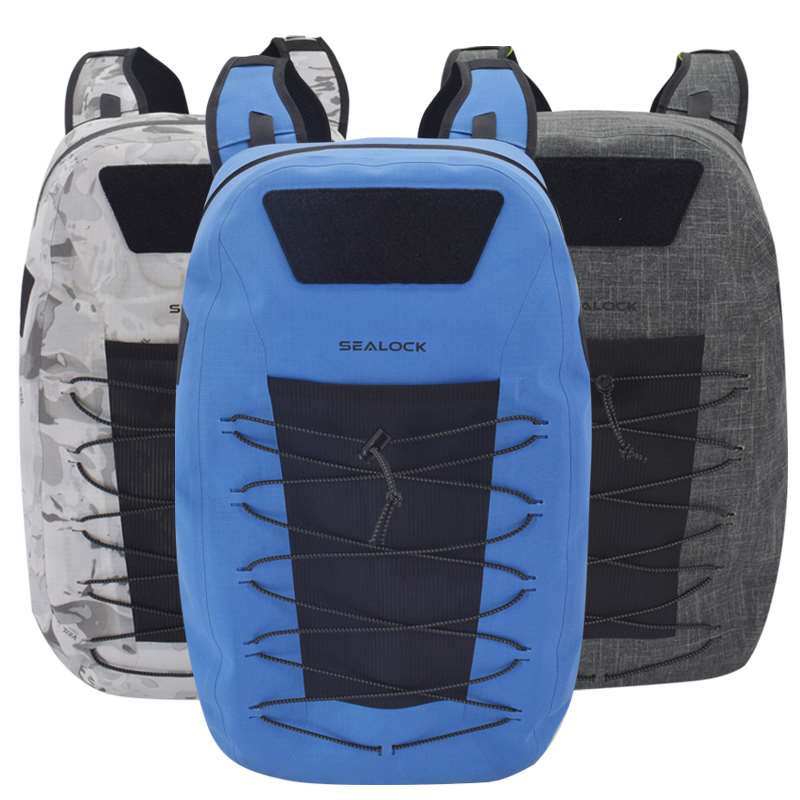
Emergency environments are defined by uncertainty, limited time, and high-risk conditions. A Rescue Bag is designed to bring order, reliability, and structure to these moments. It functions as a specialized storage and rapid-access system that organizes life-saving equipment, stabilizes the gear in transit, and ensures responders can operate with precision.
How Does a Rescue Bag Support Critical Emergency Functions?
A Rescue Bag is engineered to withstand harsh conditions while enabling fast retrieval of essential tools. In high-pressure environments—such as mountain search missions, flood evacuations, industrial accidents, or maritime emergencies—seconds can determine outcomes. A Rescue Bag ensures equipment is protected, organized, and immediately accessible.
How the Design Enhances Operational Flow
A Rescue Bag optimizes emergency procedures through several functional elements:
-
Structured Internal Layout: Compartments prevent tool displacement, reducing search time when seconds matter.
-
Reinforced Shell Materials: Waterproof, tear-resistant, and abrasion-resistant fabrics preserve gear integrity in unpredictable conditions.
-
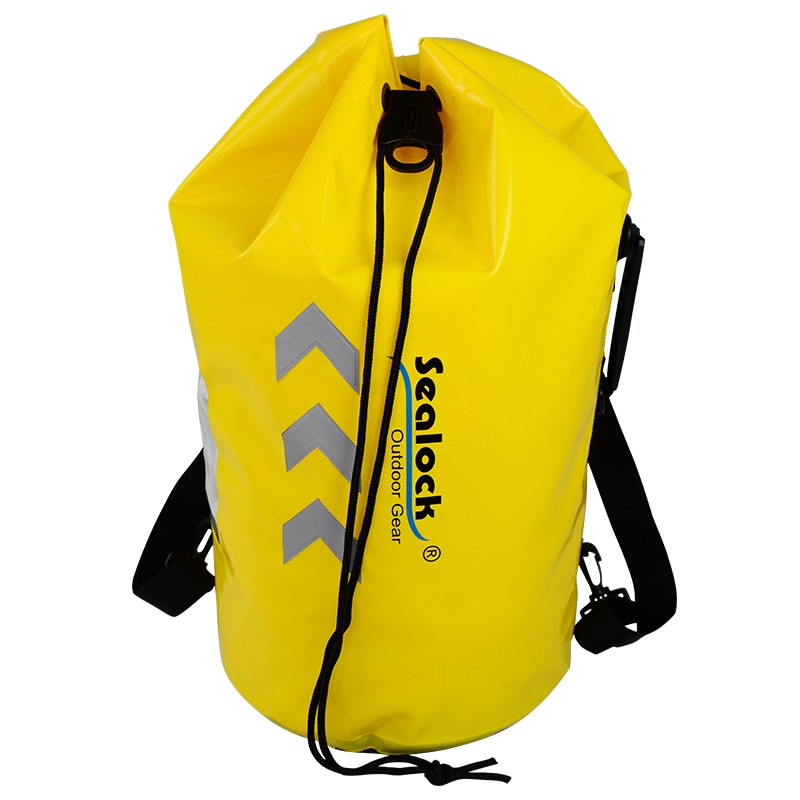
High-Visibility Color Systems: Bright panels and reflective strips increase visibility in low-light rescue environments.
-
Ergonomic Carrying Systems: Adjustable straps and balanced weight distribution reduce responder fatigue.
-
Modular Capacity: Expandable pockets, gear loops, and customizable sections support different mission types.
These features shape the overall usability of the Rescue Bag, allowing it to perform not merely as a transport case but as a mission-critical system.
Product Parameters
|
Parameter
|
Specification
|
|
Material
|
High-density waterproof TPU or PVC-coated fabric
|
|
Sealing System
|
Roll-top or waterproof zipper (IPX6–IPX8 depending on model)
|
|
Capacity Range
|
25L–90L depending on configuration
|
|
Compartments
|
Multi-layer pockets, mesh organizers, compression zones
|
|
Reinforcement
|
Heat-welded seams, abrasion-proof base panel
|
|
External Features
|
Reflective strips, gear loops, rescue-grade buckles
|
|
Carrying Options
|
Shoulder straps, top handles, side handles, optional harness
|
|
Weight
|
1.2–3.8 kg depending on size
|
|
Intended Use
|
Water rescue, mountain rescue, industrial safety, disaster response
|
These specifications ensure the Rescue Bag not only complies with safety standards but adapts to diverse operational conditions and long-duration missions.
Why Are the Functional Advantages of a Rescue Bag Critical for Emergency Teams?
The value of a Rescue Bag extends beyond storage. It fundamentally changes how emergency teams access equipment, protect critical tools, and maintain readiness.
Enhanced Durability and Protection
A Rescue Bag must survive conditions tougher than the rescue itself. Durable materials, reinforced stitching, and waterproofing technologies secure sensitive items such as ropes, first-aid kits, medical instruments, and communication devices. High-density coatings prevent moisture and contaminants from reaching vital equipment, ensuring reliability even when exposed to rain, floods, or debris.
How Organization Improves Efficiency
A well-organized internal structure supports cognitive clarity under pressure. Rescuers do not have time to sort through piles of equipment. The modular design prevents gear overlap and loss, allowing responders to establish a predictable routine. Faster access increases productivity and decreases operational hesitation, supporting better decision-making and team coordination.
Versatility Across Specialties
Different rescue disciplines require specialized setups:
-
Water rescue: Waterproof containment ensures buoyancy and prevents water damage.
-
Mountain rescue: Abrasion-resistant materials and load-balance systems reduce strain over rough terrain.
-
Urban emergency response: Compact pockets streamline access in confined or obstructed spaces.
-
Industrial operations: Chemical-resistant fabrics protect against contaminants in hazardous zones.
This versatility makes the Rescue Bag a universal tool for professional rescue teams, government agencies, and industrial safety departments.
What Emerging Trends Are Shaping the Future of Rescue Bag Technology?
As emergency operations evolve, so does the technology behind Rescue Bags. Innovations aim to improve efficiency, comfort, and adaptability while reducing response time.
Smart Organizational Systems
New developments include color-coding modules, detachable compartments, and structured foam inserts that accommodate specific medical or mechanical tools. These systems help responders quickly identify necessary gear without unpacking the entire bag.
Advanced Materials and Sustainability
Manufacturers increasingly adopt materials that are lighter, stronger, and more eco-conscious. High-density TPU coatings replace older PVC constructions, improving abrasion resistance and extending product lifespan. Recyclable components are beginning to appear, aligning rescue equipment with global sustainability demands.
Ergonomic Engineering
Human-centered design drives the next generation of Rescue Bags:
-
Contoured back panels reduce stress during prolonged missions.
-
Suspension systems distribute weight to minimize fatigue.
-
Adjustable harnesses accommodate diverse body types.
-
Breathable padding improves comfort in hot or humid environments.
These improvements elevate the physical resilience of rescue teams, allowing them to operate longer and more effectively.
Integrated Visibility and Safety Enhancements
Advancements include reflective grid systems, high-contrast color blocking, and glow-in-the-dark trims. These features improve night operation safety and support visibility in fog, smoke, or low-light conditions.
The combination of these advancements positions the Rescue Bag as a continually evolving tool essential to modern rescue strategy.
How Do Rescue Professionals Choose the Right Rescue Bag and What Questions Commonly Arise?
Selecting the correct Rescue Bag requires evaluating mission type, equipment load, durability demands, and environmental conditions. Teams commonly analyze material reliability, waterproof capability, internal organization, and ergonomic factors before making a purchase.
Common Questions About Rescue Bags
Q: How should the size of a Rescue Bag be chosen based on mission requirements?
A: Size selection depends on equipment volume, operational duration, and team role. Water rescue operations often require larger capacities (60L–90L) to carry flotation devices, ropes, and protective gear. Mountain or industrial response teams may prefer mid-size bags (35L–55L) for mobility and balanced load distribution. Compact options suit medical first responders who prioritize speed and minimal equipment. The ideal solution balances capacity with agility, ensuring the responder can move efficiently without compromising essential gear.
Q: How does waterproofing influence Rescue Bag performance in different environments?
A: Waterproofing ensures equipment stability in rain, snow, floods, or maritime conditions. A Rescue Bag with a roll-top closure and heat-welded seams prevents internal moisture penetration even during heavy water exposure. Higher ratings, such as IPX7–IPX8, enable submersion resistance, ideal for water rescue teams. Waterproofing also prevents contamination from mud, chemicals, or industrial liquids, maintaining the reliability of medical tools, electronics, or rescue ropes.
Practical Considerations When Selecting a Rescue Bag
-
Assess the environment: Determine if the operation involves water, fire, chemicals, heights, or confined spaces.
-
Evaluate durability: Reinforced stitching, thick coatings, and seam welding indicate long-term reliability.
-
Check organizational efficiency: A structured layout saves time and supports consistent response behavior.
-
Test ergonomics: Weight distribution and adjustable straps reduce strain on long missions.
-
Consider capacity expansion: Modular systems allow adaptation to changing rescue needs.
These principles ensure teams purchase Rescue Bags designed to support real-world challenges and unpredictable emergency conditions.
How Does a Rescue Bag Strengthen Professional Rescue Capabilities?
A Rescue Bag plays a central role in emergency operations by improving organization, protecting vital tools, and enhancing the responder’s ability to act efficiently under pressure. Its structural layout, advanced materials, and evolving ergonomic features reflect a commitment to safety and operational success. As innovation continues, the Rescue Bag is positioned to integrate even more advanced durability technologies, adaptive compartments, and sustainable materials, further supporting emergency teams across diverse environments.
Sealock continues to develop durable, waterproof, and professionally engineered Rescue Bags built for demanding field conditions. For teams seeking reliable equipment designed to enhance mission performance, Sealock provides solutions crafted for real-world challenges. To learn more or to discuss customized options suited to your operational needs, contact us for further information and professional guidance.
 English
  Español
  Português
  русский
  Français
  日本語
日本語  Deutsch
  tiếng Việt
  Italiano
  Nederlands
  ภาษาไทย
  Polski
  Svenska
  magyar
  Malay
Malay  বাংলা ভাষার
  Dansk
Dansk  Suomi
Suomi  हिन्दी
  Pilipino
  한국어
한국어  Türkçe
  Gaeilge
  العربية
  Indonesia
  Norsk
Norsk  تمل
تمل  český
český  ελληνικά
  український
  Javanese
  فارسی
فارسی  தமிழ்
தமிழ்  తెలుగు
  नेपाली
  Burmese
  български
  ລາວ
ລາວ  Latine
  Қазақша
  Euskal
  Azərbaycan
  Slovenský jazyk
  Македонски
  Lietuvos
  Eesti Keel
  Română
  Slovenski
  मराठी
मराठी  Srpski језик